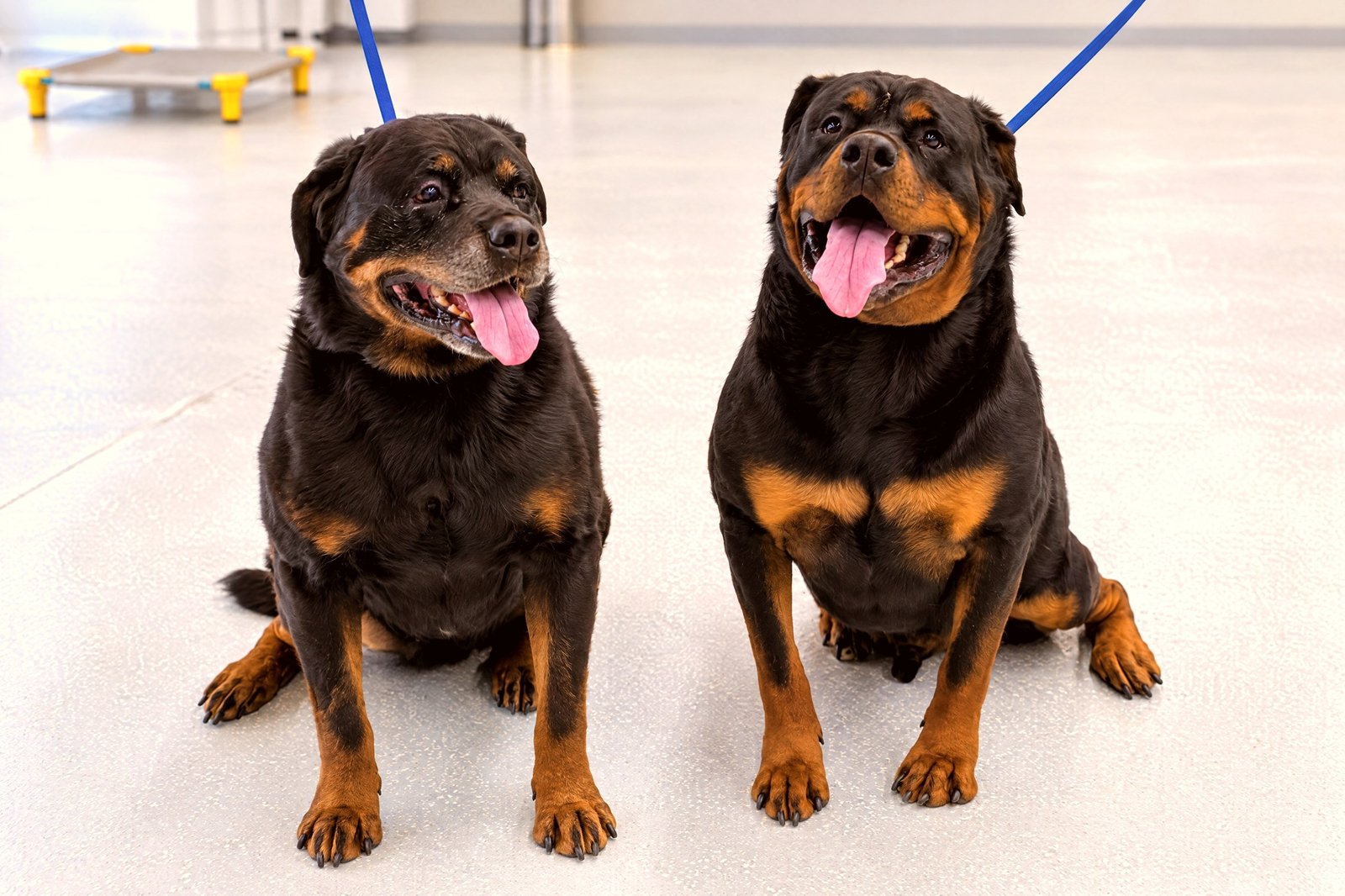
Two Rottweilers sitting side by side on an indoor training floor while held on blue leashes.
On the training floor, Cave Creek
Est.
Dec 1997
Partners Dogs · Group class syllabus

Kindergarten teaches calm at thresholds.

Turns, place, free, manners, play, and confidence around new sights and sounds.

KG
KindergartenGroup class · pet parents
SchoolScottsdale · Cave Creek
How class runs

Four modes, every week.

Interval, Group, AMRAP, and Demo. Same structure across all twelve weeks.

  1. Interval rotating stations
  2. Group whole class
  3. AMRAP rep volume
  4. Demo trainer feedback
What this grade is for
Thresholds, turns, place, and free, with confidence as the throughline.

That is the practical focus of Kindergarten. Results vary with the work you do at home.

What Kindergarten covers

Four skill families, one grade.

New Manners

Thresholds, Hand Off, Play Guidance, Desensitize, and Impulse Control.

New Behaviors

Heel, Turns, Stay, Place, Free, and Recall/Come/Front at six feet.

New Tricks

Shake/Paw is the new trick introduced in this grade.

New Tools

Training Collar, Treadmill, and Harness.

Known manners

Socialization around people and dogs, plus social cues and spatial boundaries.

Known behaviors

Yes and No markers, Name/Watch, Sit, Down, Crate/Kennel, and Spin.

How skills move at this grade

Kindergarten teaches some skills and reinforces others.

New work starts in Teaching. Earlier skills keep moving in Reinforcing.

pencil, then marker; ink and stamp come later

01

Teaching

Shape the cue in a quiet setting: lure, integrate, condition, desensitize.

02

Reinforcing

Deepen a skill already started, including Pre-⁠School carryovers.

03

Proofing

Hold it through the five D's when the skill is ready.

Later grades
04

Maintenance

Daily use at home and in class keeps it sharp.

You lead
Words we use in class

The stage glossary.

Teaching
The behavior is shaped piece by piece in a low-⁠distraction setting.
Reinforcingthis grade
Reps deepen a known skill until the dog shows full comprehension of the goal.
Proofing
The five D's: duration, distraction, distance, direction, and difficulty.
Maintenance
Ongoing real-⁠world use keeps the skill sharp. There is no finish line.
PD360
Our behavior assessment that maps where each skill sits today.
New manners

Calm manners that travel with you

Play, Hand Off, Desensitize, Impulse Control, and Thresholds.

  1. 01Opening
  2. 02New manners
  3. 03New behaviors
  4. 04Known skills
Play guidance

Reward good play. Correct the rest. Always on leash.

  • Read their play style before you join in
  • Use gentle or leave it to keep play clean
  • Spot triggers early that tip play into trouble
  • Redirect with leave it, or step away if it escalates
Hard rule

Always on leash

Safe play starts with a leash you can manage.

Hand Off Protocol

A calm transfer from one handler to another.

Keep the dog in place while the leash changes hands.

  1. Stand besideNew handler steps up next to the current handler.
  2. Pass the leashHand it over in one short, predictable exchange.
  3. Step backCurrent handler steps back as the new one approaches the dog.
  4. Stay in placeThe dog remains in place through the whole transition.
  5. Speak clearlySame short cues between both people and the dog.
Hand Off, why it matters

A calm hand-⁠off is a learned transition.

Same routine every time

It is not just passing a leash. The dog learns that attention can change hands while they stay calm and in place.

Rehearse with a familiar person before a real drop-⁠off. Keep the exchange short and predictable, share the same steps with the new handler, and watch posture as focus moves.

Takeaways
  • Rehearse before drop-⁠off
  • Keep the exchange short
  • Share one clear routine
Desensitize

Calm around handling, textures, and sounds.

Build comfort in small steps. Reward the calm body.

  1. Spot the triggerName textures and sounds that raise discomfort.
  2. Start softIntroduce a version your dog notices while staying loose.
  3. Reward calmMark and pay calm responses during the exposure.
  4. Step up slowlyRaise duration or intensity only after calm reps stick.
Desensitize stop rule

Calm learning, not flooding.

AvoidSay
Push through when they freeze
Stillness alone is not comfort. Freezing can be shutdown
Raise intensity when they tense up
Add distance or lower intensity, then reward calm engagement
Correct fear the way you correct play
Fear gets distance and redirect, not a play-⁠style correction blend
Call a behaviorist for every scare
Stay with the plan: manage, practice calm reps, ask our trainers
Impulse Control

The pause between noticing and acting.

  • Start with a known cue on leash, already understood
  • Add a manageable distraction that challenges, not overwhelms
  • Mark the hold when they notice and still keep the cue
  • Lower the bar if they tip, then build environments slowly
Class context

High energy, group work

Variable reinforcement comes later. Teach the pause first.

Threshold Protocol

Sit or Down at the door, no bolting.

The criterionSit/Down without bolting

Quiet foundation first, then the doorway.

1

Quiet sit

Teach Sit in a calm space with no distractions.

2

Crack the door

Open slightly. Reward holding the position.

3

Widen and proof

Open wider, then add people or toys as controlled distractions.

New behaviors

Heel, turns, stay, place, free, and recall

The locomotion and position skills Kindergarten teaches next.

  1. 01Opening
  2. 02New manners
  3. 03New behaviors
  4. 04Known skills
Basic Heel

Heel without pulling.

Build focus at your side, then raise the distractions.

  1. Add mild distractionsKeep heel position as the world gets busier.
  2. Walk near people and dogsMark and reward a maintained heel on social walks.
  3. Pay with treat or toyReward consistent heel around those distractions.
  4. Raise intensityStep up the challenge, then add dynamic motion last.
Left and Right Turns

Four turn tools for focus and flow.

01Left

Into the dog

A disruptive turn that pulls focus as you change direction.

02Right

Away, lift energy

An encouraging turn that picks energy up as you turn.

03180

Full U-⁠turn

Complete change of direction.

0490 / 360

Sharp or circle

Ninety left into the dog or right away; three-⁠sixty is a slower circle same way.

Left is the disruptor
Stay

Right foot leads every Stay.

Dog holds a down until you say otherwise. Your right foot tells them it is a stay.

  1. Cue StayLeft hand in front of the face. Say Stay.
  2. Pivot inRIGHT foot leading. Pivot in front, toes to paws.
  3. Back on the leashRIGHT foot leading to the end of the leash.
  4. Return frontRIGHT foot leading. Toes to paws again.
  5. Pivot to heelRIGHT foot leading back into heel position.
Basic Place

Four paws on the mat.

Quiet space, clear mat, mark the arrival. Cue comes after the paws are reliable.

Criterion: all four paws on the place bed. Follow the practice plan your trainer assigns.

Free

Free releases the cue, not good manners.

Give Free once. Reward a calm exit after it. Reset early breaks.

  1. Hold a known cueSit, Down, or Stay first. Manners still apply in Free.
  2. Say Free onceClear release after the hold. One word, then wait.
  3. Pay the calm exitMark and reward leaving after Free, not before.
  4. Reset early breaksIf they leave before Free, reset calmly and make the next hold easier.
Recall / Come / Front

Come to front at about six feet.

This is Recall to Front, not Recall to Heel.

  1. Sit firstStart with your dog sitting in front of you.
  2. High-⁠value treatHave the treat ready before you step back.
  3. Short steps backTake a few steps. Lure and say Come as they approach.
  4. Mark at youMark and reward the moment they reach your front.
  5. Grow the distanceRepeat, then take larger steps only as they succeed.
Method handoff

We teach the dog, then we teach you.

Not the same as the Hand Off Protocol leash-⁠transfer skill.

Known skills

New tricks first, then known skills

Shake and confidence, then markers, sit, down, crate, and spin.

  1. 01Opening
  2. 02New manners
  3. 03New behaviors
  4. 04Known skills
Shake / Paw

A polite paw to your open hand.

Start in sit. Mark the touch. Keep the exchange short.

  1. Sit firstStart with your dog sitting in front of you.
  2. Palm upPresent your hand, palm up, in front of their paw.
  3. Light promptGently touch their paw if they do not start the contact.
  4. Mark the touchReward with a treat or toy the moment the paw meets your hand.
  5. Repeat to reliablePractice until they offer the paw without a prompt.
Build Confidence

Brief, upbeat reps that pair new places with good news.

  • Name the sticky spots that trigger insecurity
  • Ease in with treats and calm encouragement
  • Keep sessions short and end while they are still upbeat
  • Pay calm exploration so new places feel safe
Session shape

Brief and upbeat

Stop while confidence is rising. Do not flood.

Socialization

New people and dogs, paid for calm.

  • Controlled first Introduce people and dogs in settings you can manage
  • Pay calm Reward the quiet moment, not the surge
  • Pair with good news New places and faces come with treats and praise
  • Repeat the calm link Desired calm gets the outcome they want
Known manners

Gradual exposure

Build positive associations. Do not flood.

Social cues

A clear boundary your dog can respect.

Start with one room edge. Pay staying out. Add the word.

  1. Pick the lineChoose a specific area, such as the kitchen, for the first boundary.
  2. Pay staying outUse treats and praise when they stay outside the chosen line.
  3. Add the cueIntroduce a short verbal cue, such as Out, with staying outside.
  4. Grow the challengeExtend the distance and add distractions only as they succeed.
Fig. YMark, then pay
PD field guide · reward marker
Yes
YES marker · reward bridge

A word or sound that tells your dog they got it right and a reward is coming next.

For exampleQuiet room

They look at you. You say Yes. You treat right away. Same marker every time.

Fig. NMark, then withhold
PD field guide · correction marker
No
NO marker · not okay

A correction marker that tells your dog the behavior is incorrect. The message is that is not okay.

For exampleRight away

Mark No as soon as it happens. Withhold attention and treats. Praise only the behavior you want.

Name / Watch

Their name means look, then earn.

Immediate response. Mark accurate looks. Grow the hard stuff slowly.

  1. Say the nameUse a bright tone so the name wakes attention.
  2. Mark the lookPay the moment they orient to you on the name cue.
  3. Vary timingChange when and how far you cue the name for consistency.
  4. Add distractionIntroduce distractions gradually. Mark and reward accurate responses.
Sit · known behavior

Haunches down, paid for staying in Sit.

Lure nose to tail, then mark

Sit is a foundational cue. Guide with a treat from nose toward the tail so the dog settles on its haunches, then mark and pay right away.

Grow how long they hold only after the position is clean. Keep treat and praise consistent so Sit stays clear in busy rooms and class.

Takeaways
  • Lure nose to tail
  • Mark the sit
  • Grow duration slowly
Down · known behavior

Lower the treat, mark the Down.

Lure to the floor, then fade

Down is a basic cue. Lure with a treat toward the ground until your dog settles into the down, then mark and pay with that treat.

Repeat until the lure gets a reliable down. Then hold the treat closer to your body while you say Down, so the lure fades and the word carries the skill.

Takeaways
  • Lure toward the floor
  • Mark and reward
  • Fade the lure slowly
Crate / Kennel

Room to stand and lie down. Pay every interest.

  • Fit first They must stand and lie down comfortably in the crate
  • Pay approach Reward walking in or any interest in the crate
  • Door after entry Close the door once they walk in on their own, and pay heavily
  • Give a job Kongs, bones, or food puzzles keep them engaged inside
Class criterion

Calm in the crate

No whining, barking, bolting, or scratching.

Spin · known trick

A full circle, marked and paid.

Lure the turn. Add Spin. Then proof with mild distraction.

  1. Lure the circleGuide a full turn with a treat or toy and pay right away.
  2. Add the wordLink Spin to the lure. Mark and reward the completed spin.
  3. Repeat clean repsPractice until the circle is clear before you harden the picture.
  4. Add distractionBring in distractions gradually and keep paying reliable spins.
New Tools

Three tools named in the Kindergarten syllabus.

Tool

Training Collar

Listed under New Tools for Kindergarten. Your trainer fits and coaches how it is used with your dog.

O New Tools
Tool

Treadmill

Listed under New Tools for Kindergarten. Introduced in class when your trainer includes it for your dog.

O New Tools
Tool

Harness

Listed under New Tools for Kindergarten. Gear choice stays with your trainer and your dog's plan.

Syllabus three
At home

Same word, everyone.

One card by the door. Kindergarten cue words only, so the whole house asks the same way.

Pro tipRelease is Free. Use it to end every Sit, Down, and Place.

Week 1

Foundational Training

Pro tipKeep first meetings short and upbeat. End while your puppy still wants more.

Week 1

Foundational Training

Pro tipKeep first meetings short and upbeat. End while your puppy still wants more.

Week 2

Polishing Manners and Skills

Pro tipSay the name once. When the eyes come to you, mark and pay right away.

Week 2

Polishing Manners and Skills

Pro tipSay the name once. When the eyes come to you, mark and pay right away.

Week 3

Skill Enhancement

Pro tipMake the crate the best spot in the house. Feed meals and chews inside it.

Week 3

Skill Enhancement

Pro tipMake the crate the best spot in the house. Feed meals and chews inside it.

Week 4

Focus & Control Training

Pro tipPay often at your left side while the leash stays loose.

Week 4

Focus & Control Training

Pro tipPay often at your left side while the leash stays loose.

Week 5

Threshold & Stability Training

Pro tipStay and Place end on your Free. Release first, then reward.

Week 5

Threshold & Stability Training

Pro tipStay and Place end on your Free. Release first, then reward.

Week 6

Enhanced Recall & Progress

Pro tipCome to Front: pay the sit right in front of you, close and straight.

Week 6

Enhanced Recall & Progress

Pro tipCome to Front: pay the sit right in front of you, close and straight.

Week 7

Skillful Engagement

Pro tipKeep Shake short and fun. Mark the moment the paw lifts, then pay.

Week 7

Skillful Engagement

Pro tipKeep Shake short and fun. Mark the moment the paw lifts, then pay.

Week 8

Playful Control & Consistency

Pro tipName each turn before you make it so your dog learns to follow.

Week 8

Playful Control & Consistency

Pro tipName each turn before you make it so your dog learns to follow.

Week 9

Confidence & Adaptability

Pro tipGive more space if your dog looks tense. Calm comes before closer.

Week 9

Confidence & Adaptability

Pro tipGive more space if your dog looks tense. Calm comes before closer.

Week 10

Advanced Communication & Recall

Pro tipOne clear Yes, then the reward. Tight timing makes markers mean more.

Week 10

Advanced Communication & Recall

Pro tipOne clear Yes, then the reward. Tight timing makes markers mean more.

Week 11

Refined Skills & Positive Reinforcement

Pro tipPaw, Sit, and Down get short, happy reps. Stop while it is still easy.

Week 11

Refined Skills & Positive Reinforcement

Pro tipPaw, Sit, and Down get short, happy reps. Stop while it is still easy.

Week 12

Focused Control &
Progressive Reinforcement

Pro tipCalm earns the door, the toy, and the walk. Wait for it, then pay.

Week 12

Focused Control &
Progressive Reinforcement

Pro tipCalm earns the door, the toy, and the walk. Wait for it, then pay.

After class
Results vary. Hard commands at home keep the week moving.

Continue the difficult commands before the next class. No guaranteed timelines or mastery.

Fair questions

Class logistics parents usually ask.

How does each class run?

Four modes every week: Interval, Group, AMRAP, and Demo. Same shape across all twelve weeks.

Where do we train?

Group classes meet at our Scottsdale and Cave Creek campuses.

Can we start any week?Open enroll

Yes. Open enrollment on a rotating cycle, so you can join any week.

What do we practice at home?

Keep working the hard commands before the next class.

Thank you

See you on the floor.

480.595.6700
partnersdogs.com/grade-⁠levels/kindergarten
Scottsdale · Cave Creek, Arizona