

Transform Camp
Our most intensive immersive board-and-train, built for severe behavior cases that need the deepest rehabilitation.
Essential
PD360 AssessmentYour dog's personalized starting point Dog BoardingOvernight stays with trained care Snake AvoidanceRattlesnake safety training GroomingLow-stress bath, brush-out & nailsFoundational
Foundation Camp14-night basics + manners DaySchoolDaily training + structured enrichment Private Lessons1-on-1 coaching for you + your dog Group ClassesWeekly skills in a social settingDog Behavior Solutions
Behavior severity
SevereSeek help now if your dog has escaped near roads, escapes with signs of panic when left alone, or is hurting themselves trying to get out. Keep your dog supervised and contained until you have a plan.
Understanding the behavior
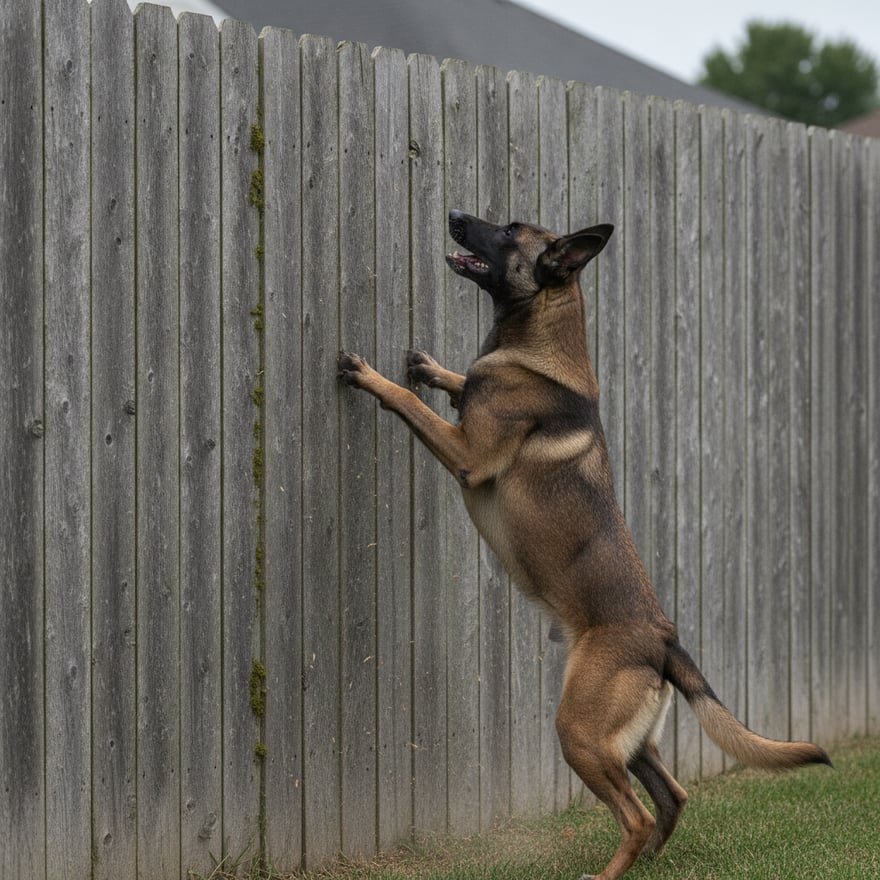
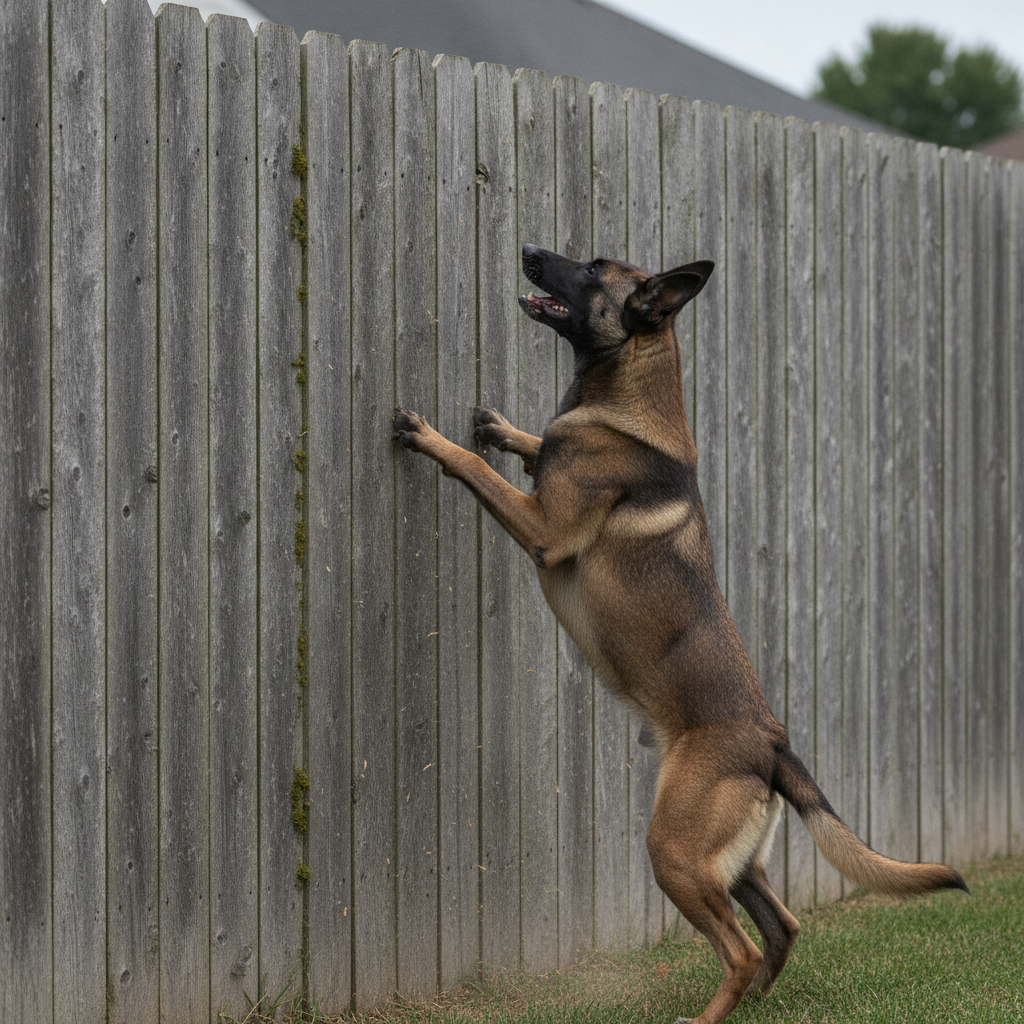
A dog who escapes the yard is in real danger, and so is your peace of mind. Escaping is usually driven by boredom, under exercise, anxiety, prey drive, or the pull to reach dogs and people nearby. Some dogs jump or climb fences, others dig under them or bolt through gates and doors.
Containment comes first. Secure the fence and gates, supervise yard time rather than leaving your dog out alone, and manage the doors your dog uses to bolt. While the yard is made safe, we work out what is driving the escapes and address it directly, then build the recall, settle, and boundary skills that keep your dog choosing to stay.
Because the safety stakes are high, escape cases receive an in-person assessment. Many dogs become reliable with training and better management, and for some, secure containment and supervision remain a permanent part of the plan. Escapes that come with panic when alone can point to separation anxiety and deserve a closer look.
Partners Dogs has trained Arizona dogs through every kind of escaping and fence jumping case since 1997, at our Scottsdale and Cave Creek facilities. Lifetime trainer support is included with every board-and-train program.
The transformation
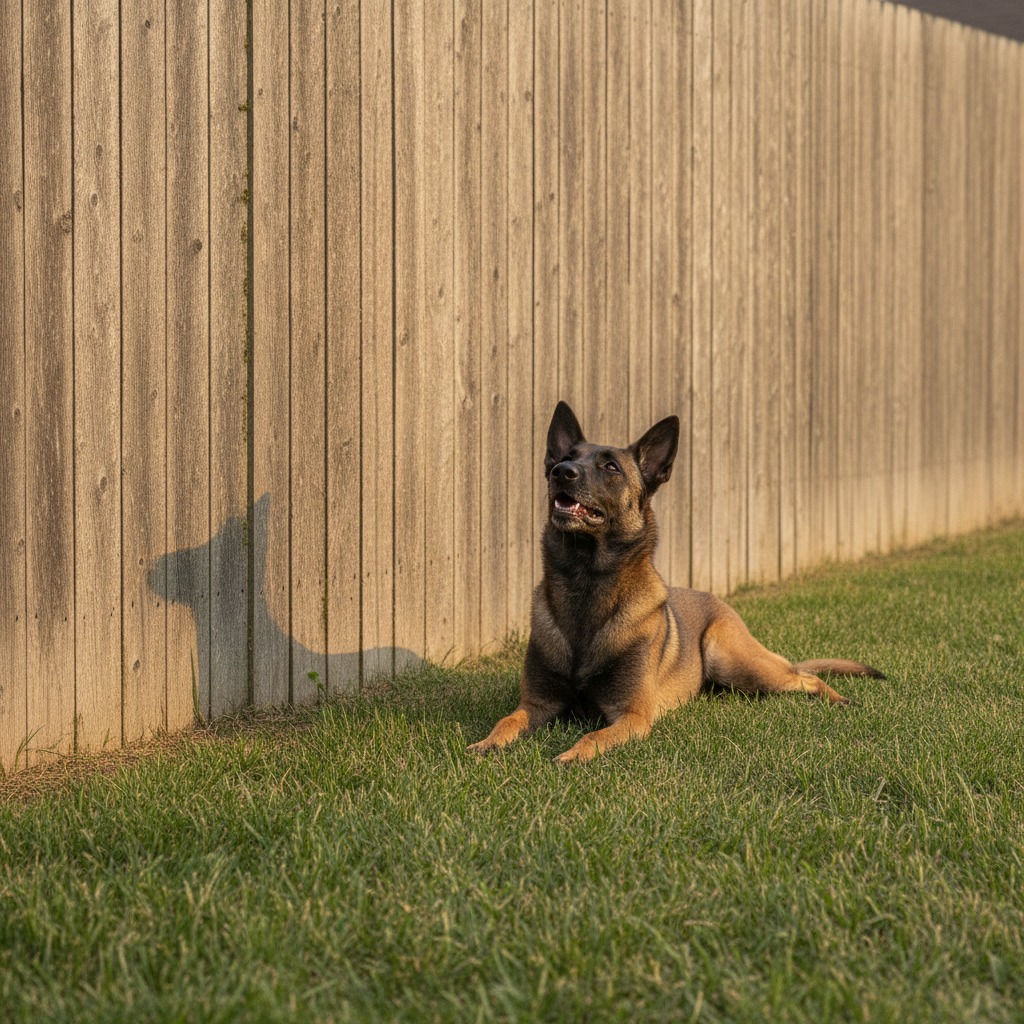
Drag the slider to see the change our programs make for a dog with escaping and fence jumping. Same dog, same home, real outcome.
Recommended path · Severe severity
Based on how escaping and fence jumping typically presents, here is where we would start. Not sure which fits? Take the PD360 assessment for a personalized recommendation.
Our most intensive immersive board-and-train, built for severe behavior cases that need the deepest rehabilitation.
One-on-one work at our facility or your home, ideal for transferring skills and handling triggers in real environments.
The process
Not sure which program
Take our quick PD360 assessment for a personalized recommendation, or talk to a trainer who has seen escaping and fence jumping many times before.
Good to know
In most cases, yes. With a structured plan and steady follow-through, escaping and fence jumping usually improves and becomes much more manageable. How far and how fast depends on the dog and the household, and severe cases start with an in-person assessment.
Many dogs show early progress in the first weeks of a program, though the timeline varies with the behavior and the dog. The lasting value is in the follow-up: private lessons and group classes help the change hold at home over time.
That is very common. During the assessment we identify every area of concern and build one plan that works on them together, rather than treating each in isolation.
It is an investment in daily life for you and your dog. Our board-and-train programs include weeks of follow-up, private lessons, and group classes so the results last, and financing is available up to 36 months.
Right away. Schedule a call or take the PD360 assessment online and we will find the best time to begin, starting with a clear look at your dog's escaping and fence jumping.
Dogs with escaping and fence jumping often show these patterns too. Explore the behaviors below. We treat them all.
Ready for the next step
Every dog and household is different. Get a real conversation with a Partners Dogs trainer who has treated escaping and fence jumping for more than 28 years. No pressure, just guidance on your dog's best path forward.