
Sonoran Desert Guide
Caring for Your Dog Through Every Arizona Season
Arizona is not one climate, it is four overlapping seasons that each ask something different of dog owners. This is the desert-tested playbook for heat, monsoon, snake season, and the holiday boarding rush, with a deep-dive guide for each.
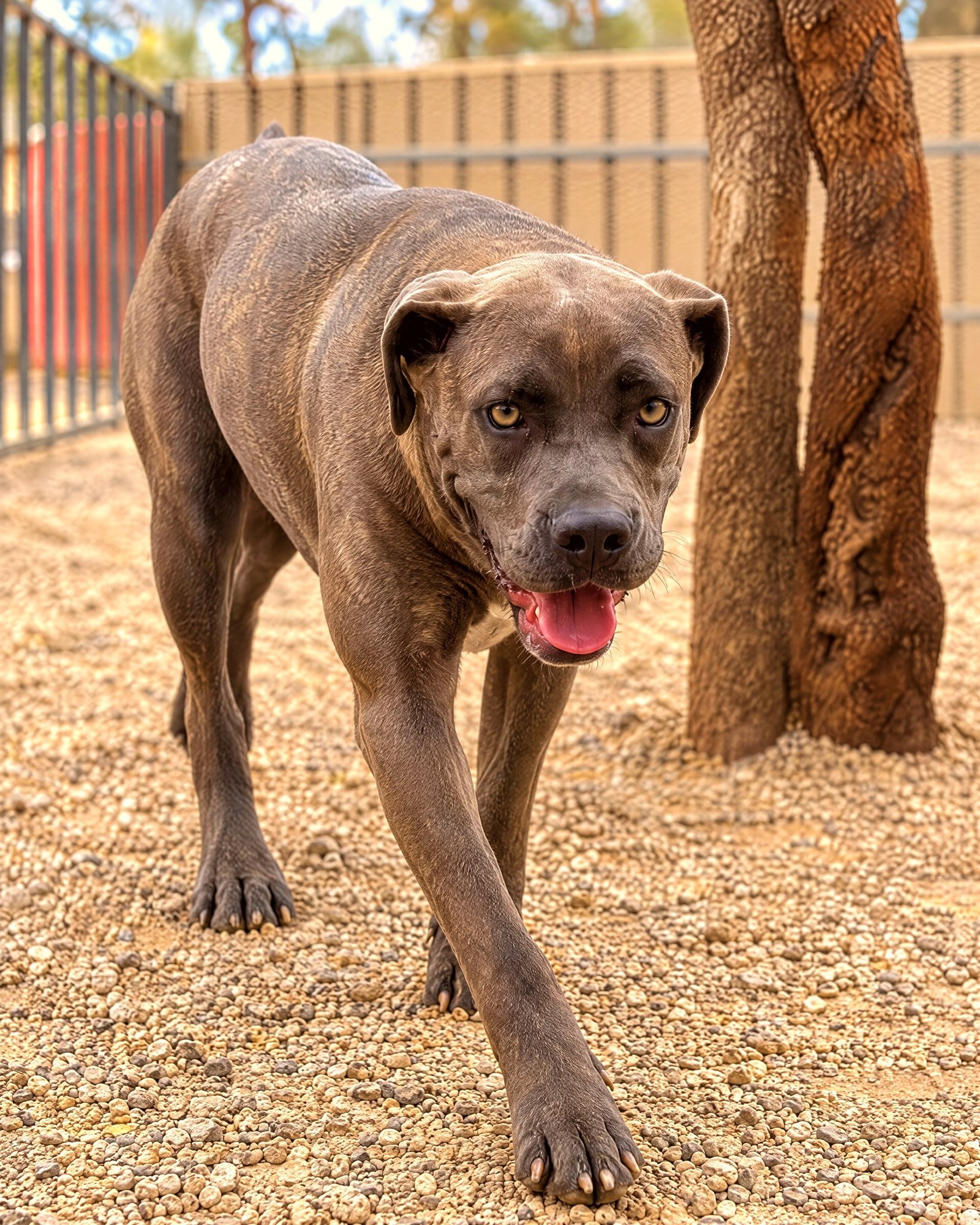
What changes for your dog season by season in Arizona?
Arizona dog care follows four overlapping seasons, each with its own risks: summer heat from May to September, monsoon storms from June to September, rattlesnake season from March through November, and the holiday boarding rush from November to January. Partners Dog School built this hub from 28 years of training in the Sonoran Desert, with a deep-dive guide for each season plus our broader Arizona owner's guide. Real expertise here means knowing which threat is most urgent for your dog right now, and what training and planning prevent it.
THE FOUR SEASONS
Pick the Season Your Dog Needs Help With Right Now
Arizona piles its risks on top of each other, so the smartest move is to handle the one in front of you first. Open the guide that matches the season for the protocol, the warning signs, and the training that prevents the worst of it.
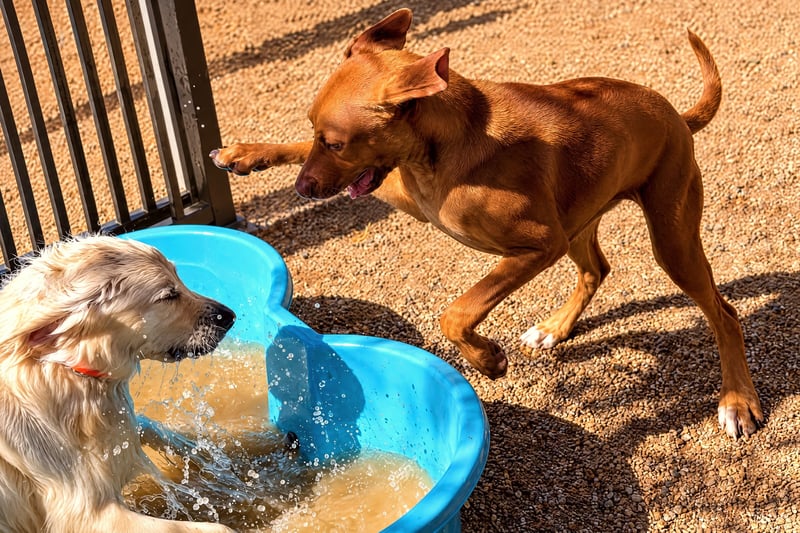 Summer Heat, May to September Pavement hits 165 degrees, AC failures happen, and hot cars still kill. Get the walk-timing, cooling, and heatstroke response plan. Read the summer heat guide
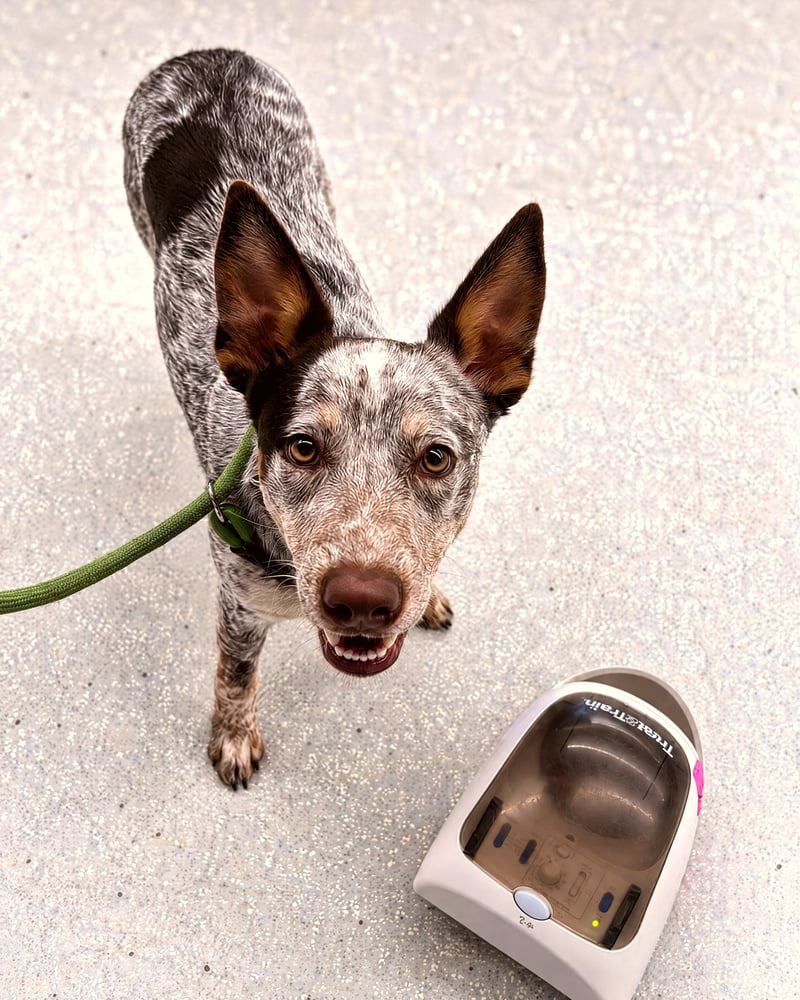 Monsoon Prep, June to September Sudden storms, flash floods, and noise phobia spikes. Start desensitization in spring and know what to do if your dog bolts. Read the monsoon prep guide
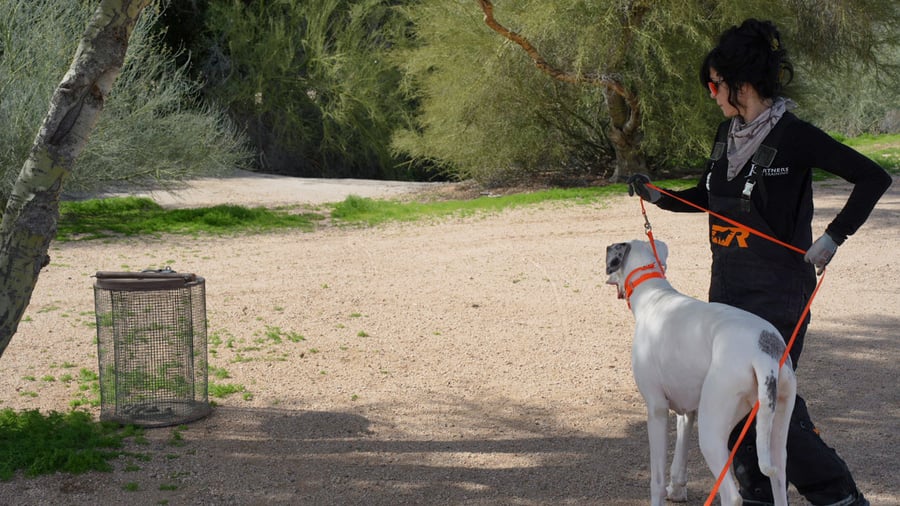 Rattlesnake Season, March through November Arizona is home to 13 rattlesnake species. One trained dog avoids what an untrained dog walks into. Book snake avoidance training
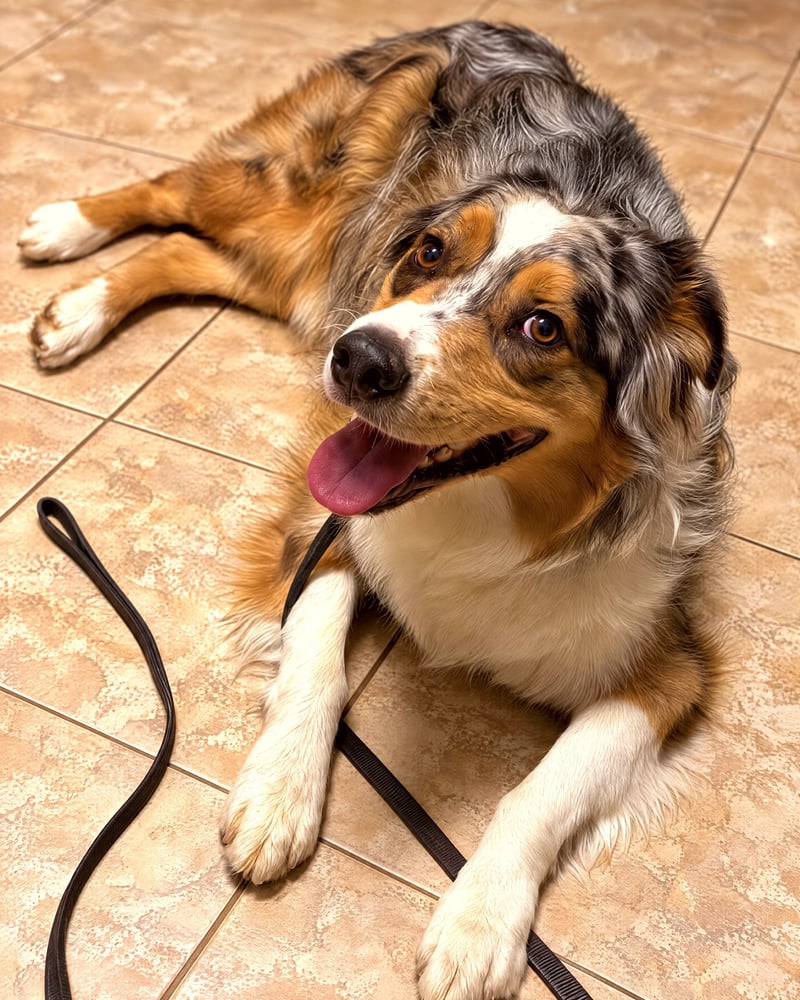 Holiday Boarding, November to January Thanksgiving and December dates fill months ahead at both campuses. Reserve early to lock in a spot. See boarding options
THE DESERT CALENDAR
What Overlaps When Across the Arizona Year
The hard truth about Arizona is that the risks stack. Snake season and heat run together for months, and monsoon drops storms right in the middle of both. Use this quick map to see what is active now, then open the guide that fits.
- Spring, March to May Rattlesnakes wake up and heat starts climbing. The best window to book snake avoidance and to begin storm desensitization before the first monsoon cell.
- Summer, May to September Peak heat sets in, snakes stay active at dawn and dusk, and monsoon storms arrive in June. This is the most demanding stretch of the year for a Valley dog.
- Fall, October to November Heat eases and snakes slow down, so trails open back up. Holiday boarding dates start filling fast, so reserve early.
- Winter, December to February The gentle season for desert dogs, plus the holiday travel rush. Chilly desert nights still warrant a coat for short-coated and senior dogs.
THE YEAR-ROUND DESERT RISK
One Day of Snake Avoidance, A Lifetime of Safer Walks
Rattlesnake season runs March through November, and snakes are most active in the mild dawn and dusk hours, the same times you walk to beat the heat. Arizona is home to 13 rattlesnake species, and a curious dog that noses a coiled snake can face a strike before you ever see it.
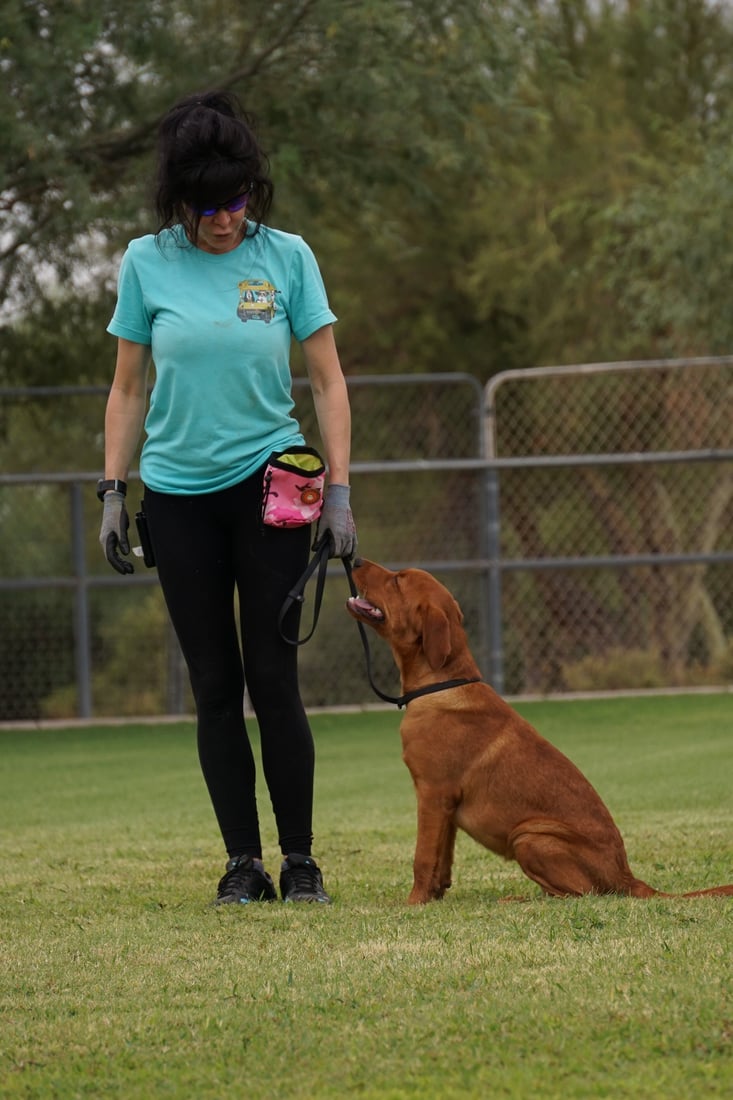
Avoidance training teaches your dog to smell, hear, and see a rattlesnake, then turn and move away on its own. It is a one-day investment that pays off on every desert trail, wash, and backyard for the rest of your dog's life. Our full snake-avoidance guide walks through how the training works and when to book.
HOW PARTNERS HELPS YEAR ROUND
Desert-Smart Care for Every Season
Our Cave Creek campus sits on open desert land where heat, rattlesnakes, and monsoon washes are part of daily life, so desert savvy is built into everything we do. When the season makes the outdoors risky, we keep your dog active, calm, and safe with the same familiar team that handles training, daycare, and boarding.
- Climate-controlled DaySchool Indoor play and training in the cool, so an active dog burns energy without ever facing the pavement. Explore DaySchool
- Indoor treadmill conditioning A real exercise outlet for the days the heat shuts the trails down, one trainer and one dog at a comfortable pace. See treadmill conditioning
- Storm and noise behavior work Private coaching that builds a reliable settle on cue, so a storm-phobic dog can ride out the thunder. See our noise phobia guide or start private lessons.
- Cool, supervised boarding Air-conditioned overnight stays with people your dog already knows, ideal for travel and as backup if the AC fails at home. See boarding
GO DEEPER
The Full Guides Behind This Hub
- Summer Heat Survival Guide Hour-by-hour walk timing, cooling gear, and the heatstroke response plan for triple-digit days.
- Monsoon Prep Guide Thunderstorm and fireworks anxiety, flash-flood and wash safety, and a lost-dog plan for the moment your dog bolts.
- Rattlesnake Avoidance How a single day of training teaches your dog to detect and retreat from a rattlesnake before it strikes.
- The Full Arizona Owner's Guide The bigger desert picture, from pavement and hydration to wildlife, vaccines, trails, and parks.
NOT SURE WHERE TO START
How to Decide Which Season to Prep For First
Start with the calendar, then your dog. Whatever risk is active in the next 30 days comes first, and your dog's specific weak spot decides where the effort goes.
If a heat wave or summer is near, heat wins. It is the most lethal day-to-day risk in the Valley, so lock in the walk-timing, cooling, and indoor-exercise plan before anything else.
If your dog panics at noise, prep monsoon early. Desensitization takes six to eight weeks, so spring is the time to start, well ahead of the first July storm.
If you walk desert trails or have an open yard, book snake avoidance. It is a one-day fix that protects your dog on every walk for years.
Still unsure which to prep for first? Tell us what is happening at home and we will match you to the right protocol.
START TODAY
Build Your Dog's Year-Round Arizona Plan
Local Pet Parents at our Scottsdale and Cave Creek campuses trust us with heat-smart conditioning, snake avoidance, storm-season behavior work, and the everyday training that makes desert life easy. Tell us about your dog and we will point you to the right next step. Call 480-595-6700 or take a quick assessment.
Frequently Asked Questions
What is the most dangerous season for Arizona dogs?
It depends on your dog and your routine. Summer heat is the most lethal day-to-day risk, but monsoon noise phobia and rattlesnake encounters cause serious harm too. The guides here help you prioritize what matters most for your situation.
When should I book holiday boarding?
Early. Thanksgiving and December dates fill months ahead at both campuses, so reserve as soon as your travel plans firm up to guarantee a spot.
Do desert dogs need anything special in winter?
Winter is the gentle season, but desert nights still get cold. Short-coated, senior, and small dogs benefit from a coat on chilly mornings, and it is the prime window for desert trails before the heat and snakes return.