
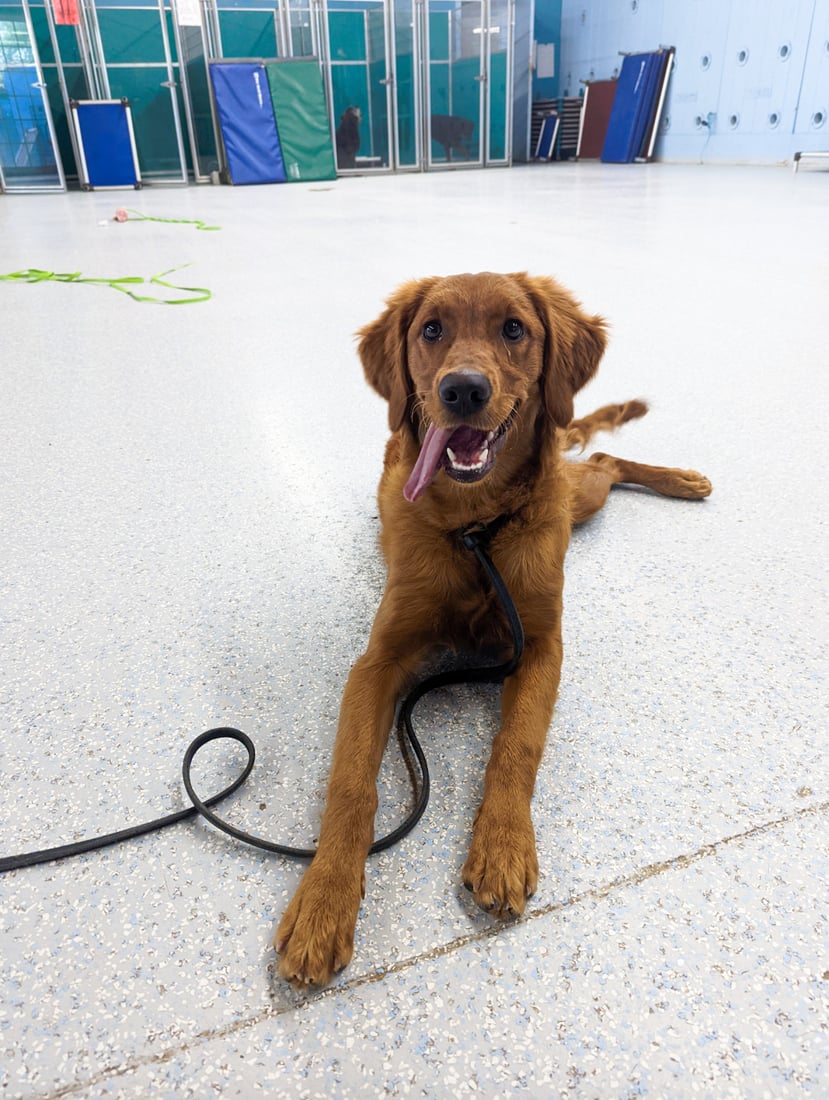
Foundation Camp
A 21-day board-and-train that builds solid obedience and manners, the right fit for milder issues.
Essential
PD360 AssessmentYour dog's personalized starting point Dog BoardingOvernight stays with trained care Snake AvoidanceRattlesnake safety training GroomingLow-stress bath, brush-out & nailsFoundational
Foundation Camp14-night basics + manners DaySchoolDaily training + structured enrichment Private Lessons1-on-1 coaching for you + your dog Group ClassesWeekly skills in a social settingCurriculum
Grade-Level Curriculum8 grades from Pre-School Puppy to Dogtorate Training JourneyWhat progress looks like, week by week Our MethodologyHow we train and why it lastsDog Behavior Solutions
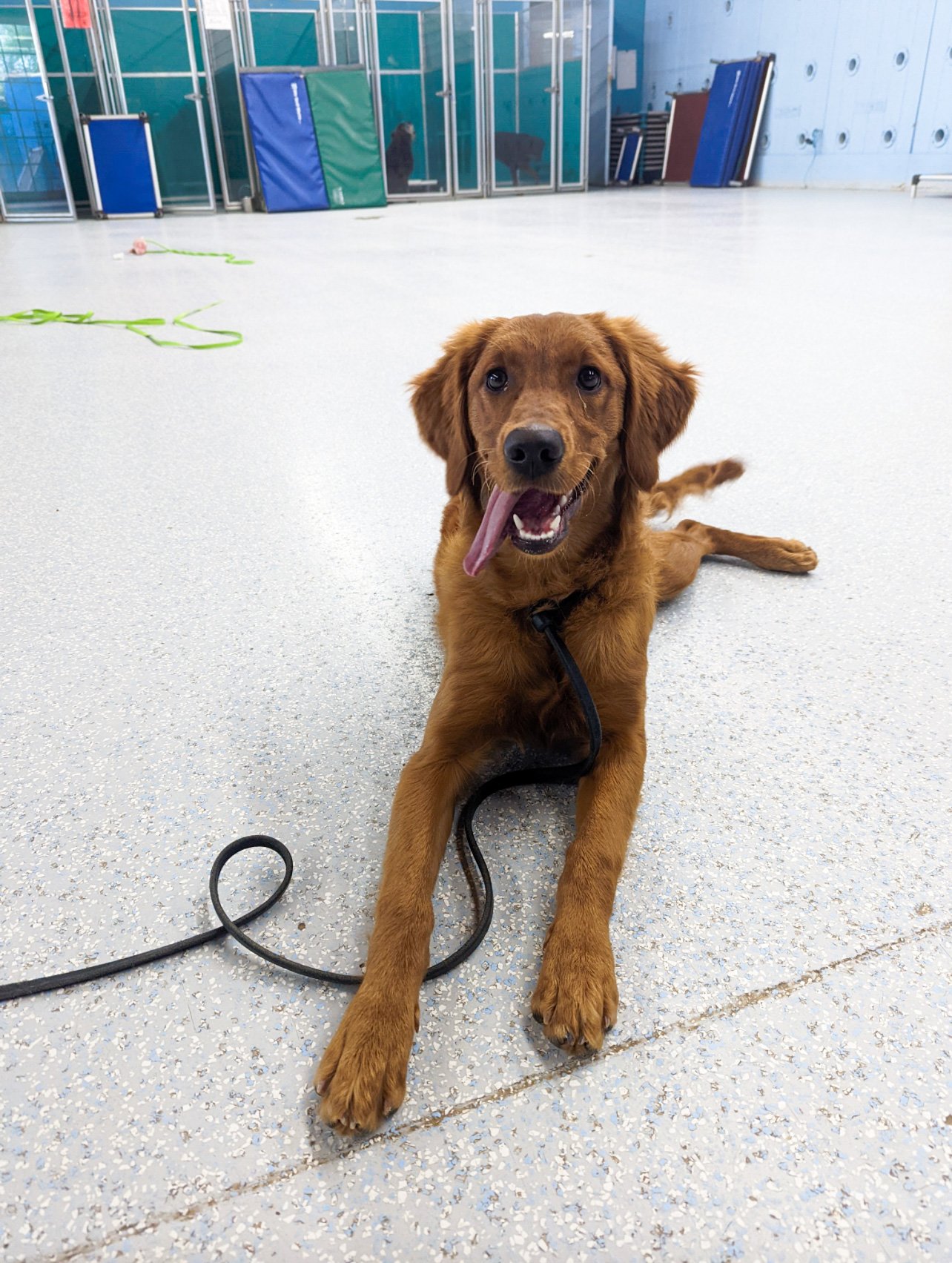
Behavior severity
MildCommon signs your puppy needs more structured socialization
Worth a closer look
Mild is a starting point for planning, not a diagnosis. A puppy showing strong fear responses benefits from a more careful, professionally guided introduction rather than more unstructured exposure on their own.
Understanding the behavior
Socialization is the process of building a puppy's comfort and confidence around new people, dogs, environments, sounds, and handling, so they grow into an adult who can handle everyday life without fear or overreaction. Good socialization is not about maximizing the number of new experiences. It is about making sure each experience is positive, or at least neutral, so the puppy learns that new things are generally fine.
Our Pre-School Puppy program starts structured group exposure from 20 weeks, once puppies are fully vaccinated, in a controlled environment where interactions are supervised and paced to the puppy in front of us, not rushed. A pushy or overwhelmed puppy gets a different plan than a confident one. The goal is a puppy who can meet new people, new dogs, and new environments without flooding into fear or reactivity later on.
Socialization has a real developmental window, but it does not end at any hard cutoff. Older puppies and even adult dogs with limited early exposure can still build confidence with the right pace and setting, it typically just takes longer and needs a more careful plan.
Partners Dogs has trained Arizona dogs through every kind of puppy socialization case since 1997, at our Scottsdale and Cave Creek facilities. Lifetime trainer support is included with every board-and-train program.
Recommended path · Mild severity
Based on how puppy socialization typically presents, here is where we would start. Not sure which fits? Take the PD360 assessment for a personalized recommendation.
A 21-day board-and-train that builds solid obedience and manners, the right fit for milder issues.
Weekly Pet Parenting classes with our trainers, practice in a structured social environment.
The process
Not sure which program
Take our quick PD360 assessment for a personalized recommendation, or talk to a trainer who has seen puppy socialization many times before.
Good to know
Pre-School Puppy classes ($65 per session) offer structured, supervised socialization from 20 weeks, paced to your puppy rather than a free-for-all. For puppies who need more structure alongside confidence-building, Foundation Camp ($3,509, discounted with membership), our 14-night board-and-train, builds obedience and exposure together. A $199 PD360 Assessment, credited toward enrollment in your recommended camp or membership (not toward à la carte bookings or general reservations), helps confirm the right starting point.
It is not too late. Socialization has a real developmental window in early puppyhood where new experiences are absorbed most easily, but the window does not close entirely at any hard cutoff. Older puppies and adult dogs with limited early exposure can still build genuine confidence, it typically takes a slower, more deliberate pace and a more careful introduction plan than it would have at 12 weeks, but meaningful improvement is realistic for most dogs.
Forcing a fearful puppy toward whatever scares them, dragging them closer to a loud object or an unfamiliar person, usually makes the fear worse, not better. The better approach is to let the puppy approach at their own pace, reward calm curiosity when it happens, and increase distance if they show real distress. A puppy with strong, consistent fear responses across multiple situations benefits from a more careful, professionally guided introduction plan rather than more unstructured exposure on their own.
More is not automatically better. A handful of calm, genuinely positive experiences each week, meeting one new person, encountering a new surface, hearing a new sound at a comfortable distance, builds more real confidence than flooding a puppy with constant new stimulation. An overwhelmed puppy is not being socialized, they are being flooded, and flooding can create the exact fear response good socialization is meant to prevent. Pace and quality of the experience matter more than the raw count.
Our structured group socialization, Pre-School Puppy classes, starts at 20 weeks old, once puppies are fully vaccinated and it is safe for them to be around other dogs. Before that age, you can still build positive exposure at home and in low-risk settings: calm handling, new surfaces, everyday household sounds, and short car rides, all paced so the puppy stays comfortable rather than overwhelmed.
Dogs with puppy socialization often show these patterns too. Explore the behaviors below. We treat them all.
Keep learning
Practical reading from our trainers on behavior, everyday manners, and life with a dog in Arizona.

Muzzle training at home for dogs works when it predicts good things, not punishment. A Cave Creek protocol for bite ...
Is my dog trainer insured? Here is what liability coverage should include, how to check it, and why solo in-home ...
Resource guarding in dogs: the trade-up protocol, why never to punish the growl, and when to get help. Start with a ...
Stop dog jumping on guests: train the place command, run the doorbell protocol, proof the five D's. Private Lessons in ...
Ready for the next step
Every dog and household is different. Get a real conversation with a Partners Dogs trainer who has treated puppy socialization for more than 28 years. You get a candid read on your situation and what it takes to get your normal life back.