Skip to content
Family-owned · Est. 1997 70,000+ dogs trained 4.8 stars · 2,000+ parent reviews
    Home
    Programs
    Locations
    Resources
    Shop

    Dog Behavior Solutions

    Enjoy Arizona Without Betting on One Recall

    Rabbits, quail, coyotes, and javelinas can turn one distracted moment into an emergency. Partners Dogs helps you build control while keeping physical safety layers in place.
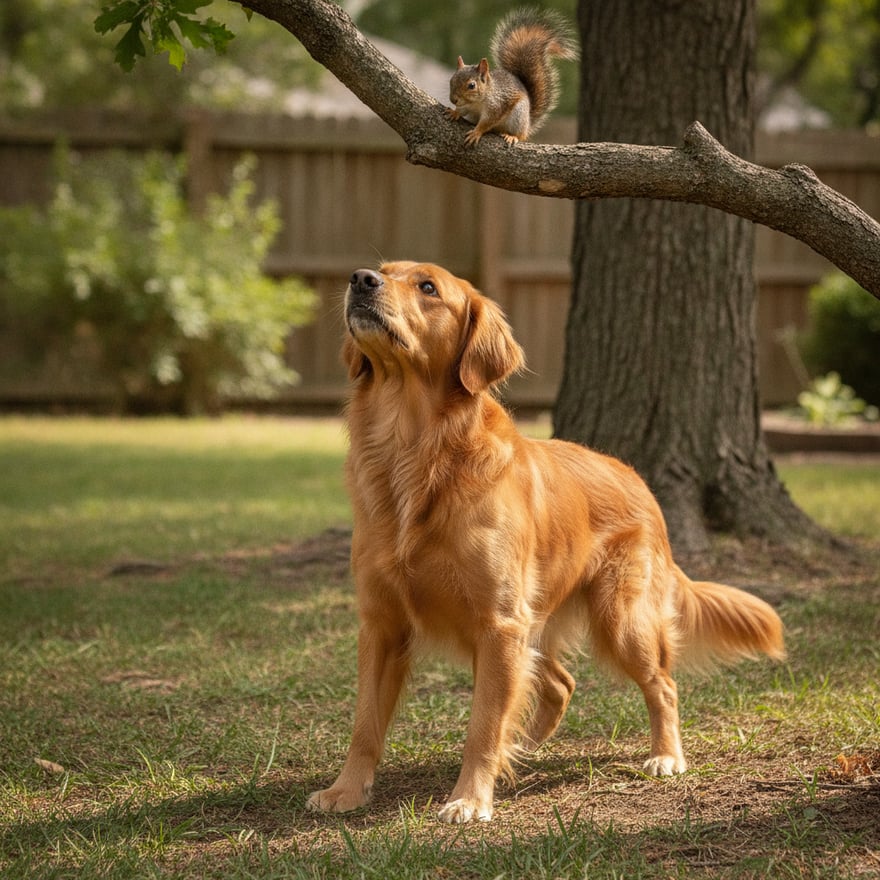
    Calm adult fawn Greyhound walking on a loose leash looking up at owner after Partners Dogs prey drive training.

    Behavior severity

    Moderate

    What you may be seeing

    Common signs

    • Freezing, stalking, staring, whining, or lunging at small animals
    • Ignoring food or familiar cues once movement begins
    • Fence running or scanning yards and trails for wildlife
    • Chasing bikes, running children, cats, livestock, or wildlife
    • Slow recovery after a chase opportunity

    Seek help now

    • Killing or injuring another animal
    • Escaping containment or entering traffic during a chase
    • Contact with a rattlesnake, javelina, coyote, or other dangerous wildlife
    • Redirected biting when physically interrupted

    Moderate is a starting point for planning, not a diagnosis. Contact, bites, or repeated escape requires an in-person assessment and stronger containment immediately.

    Understanding the behavior

    What is prey drive?

    Prey drive is the instinct to orient, stalk, chase, grab, or bite moving animals. Breed history and individual experience affect intensity. It is not defiance, and training does not erase instinct.

    Safety relies on secure fencing, leashes or long lines, supervised yards, and avoiding off-leash access where wildlife or traffic is possible. Recall and disengagement can improve, but no cue makes a high-drive dog immune to sudden movement.

    The goal is safer management and better interruption, not a guarantee that the dog will ignore all prey. Results vary with genetics, reinforcement history, environment, and handler practice.

    Partners Dogs has trained Arizona dogs through every kind of prey drive case since 1997, at our Scottsdale and Cave Creek facilities. Lifetime trainer support is included with every board-and-train program.

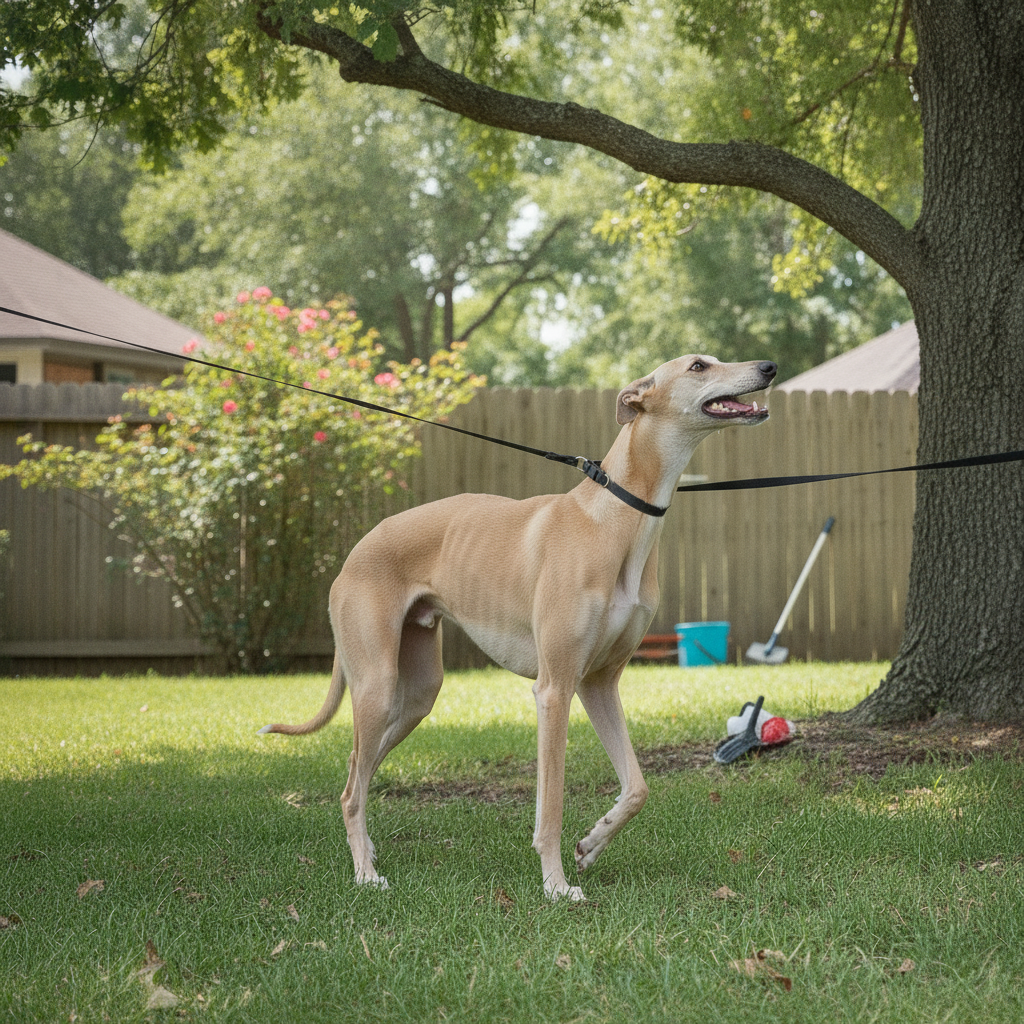
    Adult fawn Greyhound straining on leash toward a squirrel in a tree, intense prey drive before Partners Dogs training.

    The transformation

    Before and after training

    Drag the slider to see the change our programs make for a dog with prey drive. Same dog, same home, real outcome.
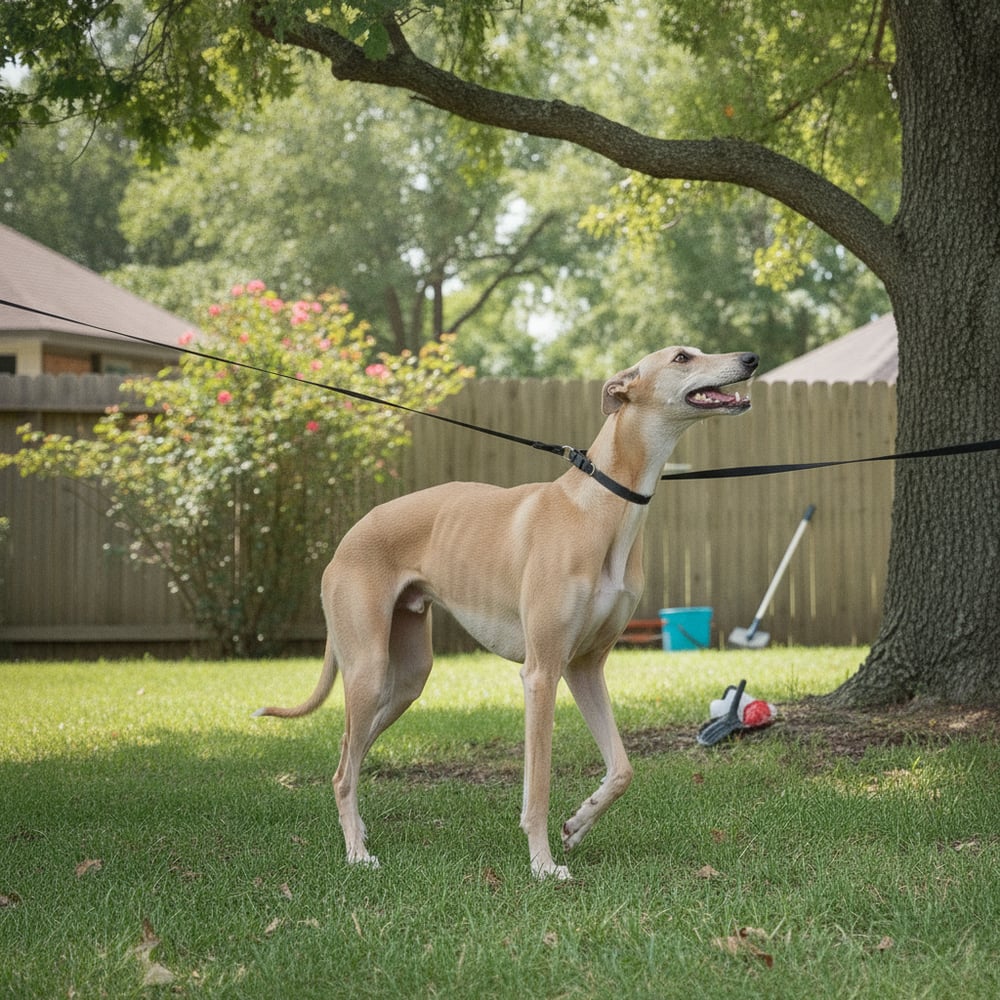
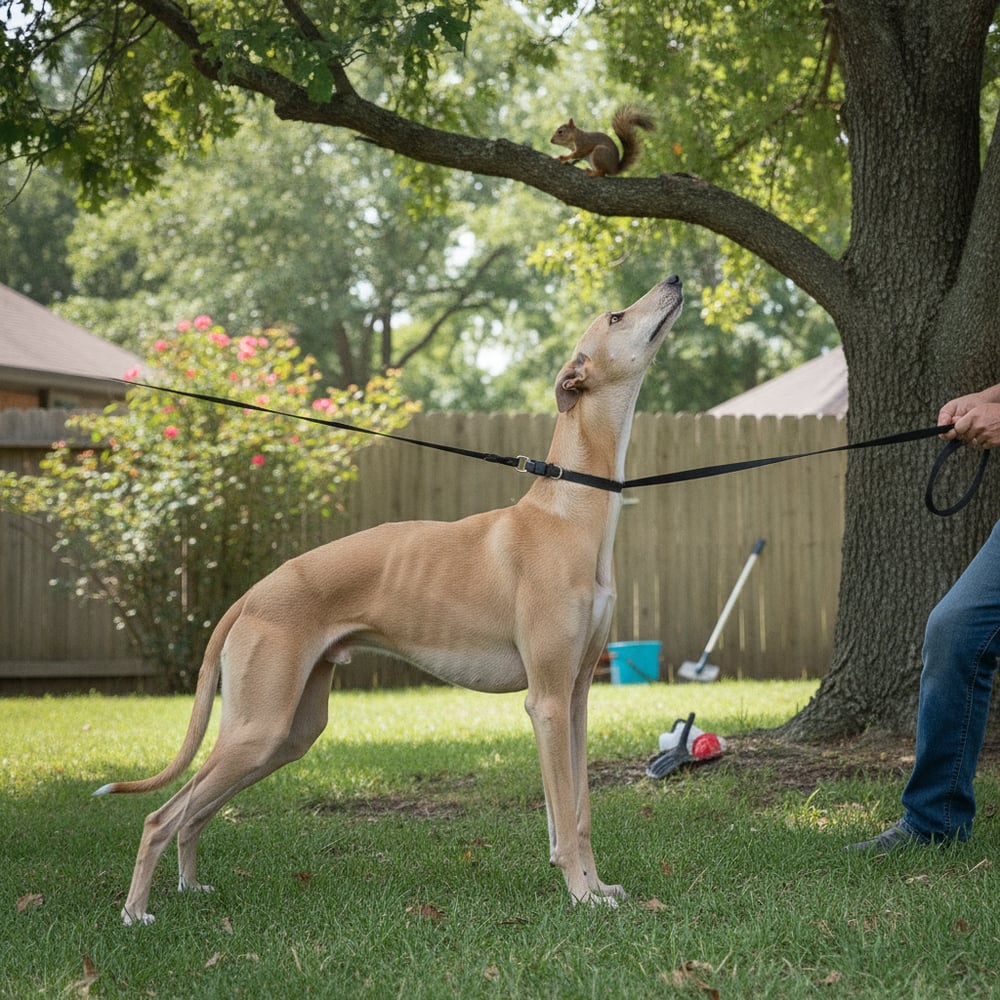
    Calm adult fawn Greyhound walking on a loose leash looking up at owner after Partners Dogs prey drive training. Adult fawn Greyhound straining on leash toward a squirrel in a tree, intense prey drive before Partners Dogs training.

    Watch

    How we work on prey drive

    Short walkthroughs from our trainers on the exact techniques we use to resolve prey drive. See how the work actually looks, then choose the path that fits your dog.
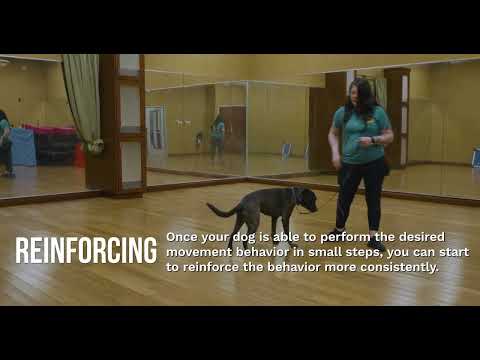
    Reactivity  Prey & Chase Drive video thumbnail
    Reactivity Prey & Chase Drive
    Triggers  Movement video thumbnail
    Triggers Movement
    70,000+Dogs Trained
    28+Years Experience
    4.8★Average Rating
    2Arizona Campuses

    Recommended path · Moderate severity

    The right program for prey drive

    Based on how prey drive typically presents, here is where we would start. Not sure which fits? Take the PD360 assessment for a personalized recommendation.

    Alternative

    Private Lessons

    One-on-one sessions to address specific triggers and transfer trainer skills to you.

    The process

    How it works

    1

    Assessment and check-in

    • We verify vaccination records and complete pre-check-in forms.
    • Your dog receives a full behavioral assessment.
    • We set goals and build a personalized training plan.
    • You meet the primary trainer and tour the facility.
    2

    Training and progress reports

    • Multiple active training sessions every day.
    • Controlled exposure and desensitization to triggers.
    • Immersive socialization in a managed environment.
    • Regular progress reports with photos and video.
    3

    Transition and follow-up

    • Private lessons that transfer the training to you.
    • Pet Parenting group classes for ongoing support.
    • Access to our full Pet Parent Guide.
    • Weeks of follow-up so the change lasts at home.

    Not sure which program

    Get a recommendation in minutes

    Take our quick PD360 assessment for a personalized recommendation, or talk to a trainer who has seen prey drive many times before.

    What our clients say

    “"My Vizsla had zero recall the moment a rabbit appeared. Zero. I was terrified every time she was off leash near the preserve. The combination of Foundation Camp and private follow-up sessions greatly improved her responsiveness. She has a reliable recall now, not perfect, but reliable, and she'll actually disengage from a chase when I call her. That felt impossible a year ago."”

    Lindsey P.

    “"We live on a property that backs up to a wash in Cave Creek. Rabbits, quail, the occasional javelina, it's endless for a high-drive dog. Cody was out of control in the yard. After the Partners program, we have actual management tools that work. His 'leave it' may have prevented two dangerous encounters, once with a rattlesnake, once with a javelina sow. I don't say that lightly."”

    Rick and Dana H.

    Live Reviews

    What our families are saying

    Real reviews from real families across our Scottsdale and Cave Creek campuses.

    4.8average rating
    2,000+reviews collected

    Showing 12 recent reviews

    Christi B. Cave Creek Sep 2026 Google

    Excellent experience for our adopted puppy and for me! The staff are amazing, caring, and knowledgeable. Our puppy has learned so many valuable skills, including socialization and walking on a leash, and has become much more confident around other dogs. I’ve also learned a lot about training and how to better support our puppy at home.

    Marina S. Cave Creek Sep 2026 Google

    We had to go out of town and had absolutely no one to watch our furry friend. I trust the opinions of a few staff members and decided it was time for our girls first boarding session. I knew my dog was going to get absolutely loved on and taken good care of, even without add ons like training sessions or daycare. That she was! I have never seen this girl happier to just exist somewhere other than home or her favorite park. Staff communication was on point, especially at pick up when a kennel worker was explaining she ruined her dog bed, asking if I still wanted to take it home. So sweet. Some other staff could use some training on how to be personable, but over all 10/10 would recommend.

    Emily T. Scottsdale Sep 2026 Google

    all of the staff are so kind and attentive. Val has been working 1 on 1 with my puppy and she has been amazing my puppy always leaves happy and will be tired all day when she comes home I’ve had to make 2 changes and they were so accommodating and kind about it please if you are looking into this resort for any type of service I highly recommend

    Boyd D. Cave Creek Sep 2026 Google

    Chastity all 3 of my guys. The Huskys the worst. When he comes out of the trailer, man he's Handsome

    Dan P. Cave Creek Sep 2026 Google

    Lucy and Noa have been so great to work with!

    Cheryl S. Cave Creek Sep 2026 Google

    The people nd trainers are 150% awesome. The cost takes a little getting used to but likely worth it.

    Norbert D. Scottsdale Sep 2026 Google

    Sky is always excited to spend days at her favorite dog hotel… she is also happy when we pick her up, all fed and washed. Great place.

    Ursula A. Scottsdale Sep 2026 Google

    We had an great experience with our dog training. The training was professional, patient, knowledgeable, and truly worked with us to get what our dog needed. We especially appreciated the guidance and support in earning our AKC Community Canine (CGCA) and AKC Urban Canine (CGCU) certificates. Every step was clearly explained, and the classes gave plenty of group time with practical tools that helped build our dog’s confidence, manners, and skills in real-world situations. If you are looking for relaxed and patient trainers who genuinely cares about both the dog and the people at the other end of the leash, we recommend them.

    Nancy S. Scottsdale Sep 2026 Google

    The facility and staff are always very friendly and attentive. I love the concept of the dogs being able to play while they are also reinforcing their training! My dog always loves going to daycare and best of all I know he is being taken care of and is having fun with his friends. Thank you, Partners!!!!!

    John Y. Scottsdale Aug 2026 Google

    Great staff, our dog loves going there.She gets very excited when we say want to go to partners.

    Judy S. Scottsdale Jul 2026 Google

    Our Bouvier (Willie)loves everything about Partners. He looks forward to the daycare, parents class, and even boarding. He loves this facility as much as the staff loves him. I can't say enough good things about this place.

    Janet S. Scottsdale Jul 2026 Google

    Always a great experience. Staff are dedicated to the dogs and are extremely helpful.

    Loved working with us? Leave a review

    Good to know

    Frequently asked questions

    What activities safely satisfy a high prey-drive dog?

    A high-prey-drive dog needs a legitimate outlet alongside any suppression, and there are several good options depending on your dog's specific drive.

    • Flirt poles. A fishing-rod-style toy that mimics erratic prey movement, letting your dog chase, catch, and “kill” a toy safely in a controlled setting.
    • Structured fetch and tug. Both give the chase-grab-carry sequence a dog is wired for, with clear start and stop cues you control.
    • Dog sports. Lure coursing (built specifically for chase drive), dock diving, barn hunt, and disc sports all channel the same instincts into a structured, rule-based game.
    • Long-line decompression walks. Letting a dog sniff, track, and investigate on a long line in a safe, open area satisfies a related drive without the safety risk of true off-leash chasing.

    The dog with a real outlet for their drive is almost always easier to manage everywhere else too.

    What program is recommended for high prey drive, and how much does it cost?

    High prey drive typically calls for Behavior Camp, our 21-day board-and-train focused on recall and impulse control around movement ($6,244, discounted with membership), followed by private lessons on the actual trails or yards where the drive shows up. A $199 PD360 Assessment, credited toward enrollment in your recommended camp or membership (not toward à la carte bookings or general reservations), confirms severity before we recommend a plan.

    Why does my dog chase squirrels, rabbits, and bikes?

    Prey drive is hard-wired. Your dog is not misbehaving. They are running ancient software that selected for catching moving things. The drive lives somewhere on a spectrum from low (won't even notice a squirrel) to extreme (drops everything to chase, cannot self-interrupt).

    Breed matters. Sighthounds, terriers, herding breeds, and many sporting breeds were selected for prey drive over centuries. Trying to eliminate it entirely is fighting biology. The right framework is:

    • Channel it where possible. Flirt poles, structured fetch, sports like lure coursing or dock diving give the drive a legitimate outlet.
    • Manage where necessary. Long lines on hikes, secure fencing, off-leash only where the recall holds.
    • Train an override. A bulletproof recall and a strong “leave it” that can interrupt the chase before it commits.

    In Arizona, prey drive is also a safety issue. Rattlesnakes, javelinas, and coyotes are real threats on Scottsdale and Cave Creek trails. A dog with uncontrollable prey drive cannot safely go off-leash in the desert. We address this in Behavior Camp.

    Is prey drive the same thing as aggression?

    No, and mixing these two up leads to the wrong training plan. They come from different parts of a dog's behavioral wiring.

    • Prey drive is a predatory instinct, triggered by movement, aimed at something the dog perceives as prey: a squirrel, a bike, a jogger. It is not personal and it is not about conflict.
    • Aggression is typically a conflict, fear, or resource-defense response directed at another dog or person the dog perceives as a threat or competitor, not as prey.
    • Why the distinction matters practically: a dog with high prey drive can be completely social and friendly with other dogs and people. A dog with aggression issues has a genuinely different problem that prey-drive management techniques won't touch.

    Some dogs have elements of both, which is exactly why the PD360 Assessment looks at the full picture instead of assuming one label explains everything.

    Is prey drive dangerous around small dogs, cats, or kids?

    It can be, and this is one of the more important safety conversations we have with families.

    • Small, fast-moving animals (cats, small dogs, rabbits, chickens) can trigger a genuine predatory response in a high-prey-drive dog, especially one who hasn't been carefully introduced to them.
    • Never assume it's safe based on personality alone. A dog who is gentle and calm in every other context can still have a hard-wired chase-and-grab response to fast movement.
    • Structured introductions matter. Slow, supervised, leashed introductions over time, watching body language closely, are how we safely integrate a high-prey-drive dog into a multi-pet household.
    • Kids are usually a different risk. True predatory intent toward children is rare. The more common issue is excitement-driven chasing or nipping at running kids, which is a separate training conversation from prey drive itself.

    If you are unsure whether your dog is safe around small animals or kids, get an honest professional assessment before finding out the hard way.

    Why does my dog dig holes in the yard?

    Digging is hard-wired. Your dog is not destroying your yard out of spite. They are expressing one of these:

    • Breed instinct. Terriers, dachshunds, huskies, and many shepherd breeds were selected for behaviors that include digging. Trying to eliminate it entirely is fighting biology.
    • Heat-seeking. In Arizona summers, dogs dig to find the cooler soil underneath. The hole under your tree is climate control.
    • Boredom. An understimulated dog left in the yard will entertain themselves, and digging is one of the most satisfying options.
    • Prey drive. Ground squirrels, gophers, lizards. There is more wildlife under your yard than you realize, and your dog can smell it.

    The fix is rarely “stop digging entirely.” It is redirecting the digging to an acceptable outlet (a designated dig pit), addressing boredom with enrichment, and managing yard access when you cannot supervise.

    Ready for the next step

    Talk to a trainer now

    Every dog and household is different. Get a real conversation with a Partners Dogs trainer who has treated prey drive for more than 28 years. You get a candid read on your situation and what it takes to get your normal life back.