
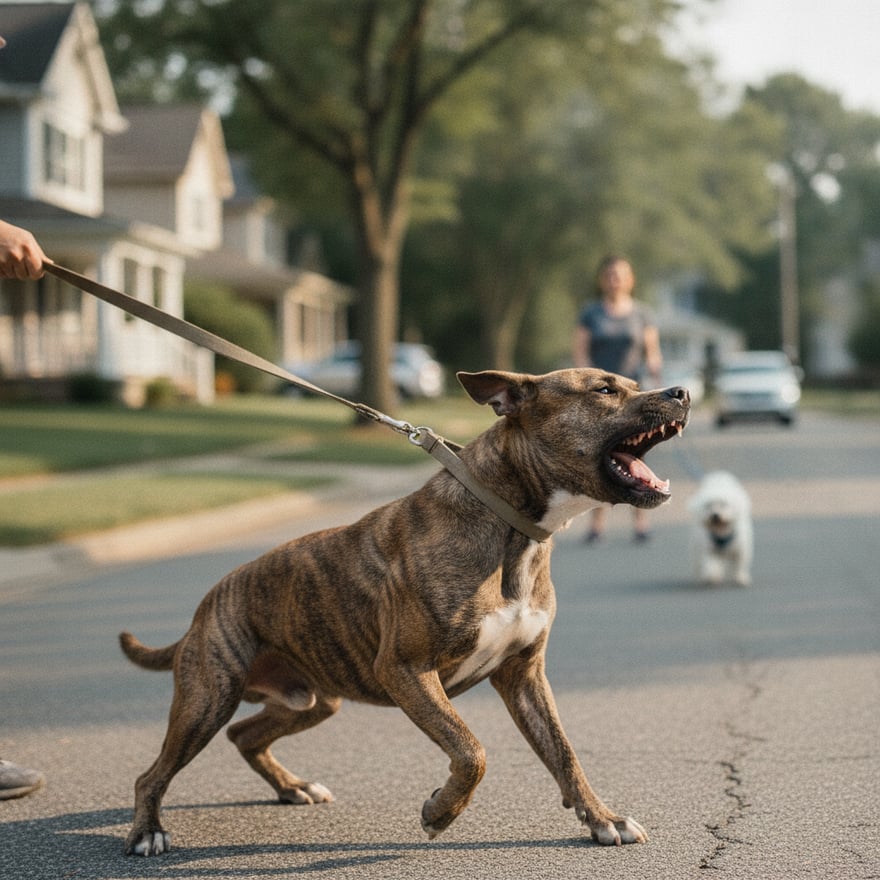
Behavior Camp
A 4 to 6 week immersive behavior-modification program, the best fit for moderate behavior issues.
Essential
PD360 AssessmentYour dog's personalized starting point Dog BoardingOvernight stays with trained care Snake AvoidanceRattlesnake safety training GroomingLow-stress bath, brush-out & nailsFoundational
Foundation Camp14-night basics + manners DaySchoolDaily training + structured enrichment Private Lessons1-on-1 coaching for you + your dog Group ClassesWeekly skills in a social settingCurriculum
Grade-Level Curriculum8 grades from Pre-School Puppy to Dogtorate Training JourneyWhat progress looks like, week by week Our MethodologyHow we train and why it lastsDog Behavior Solutions
Behavior severity
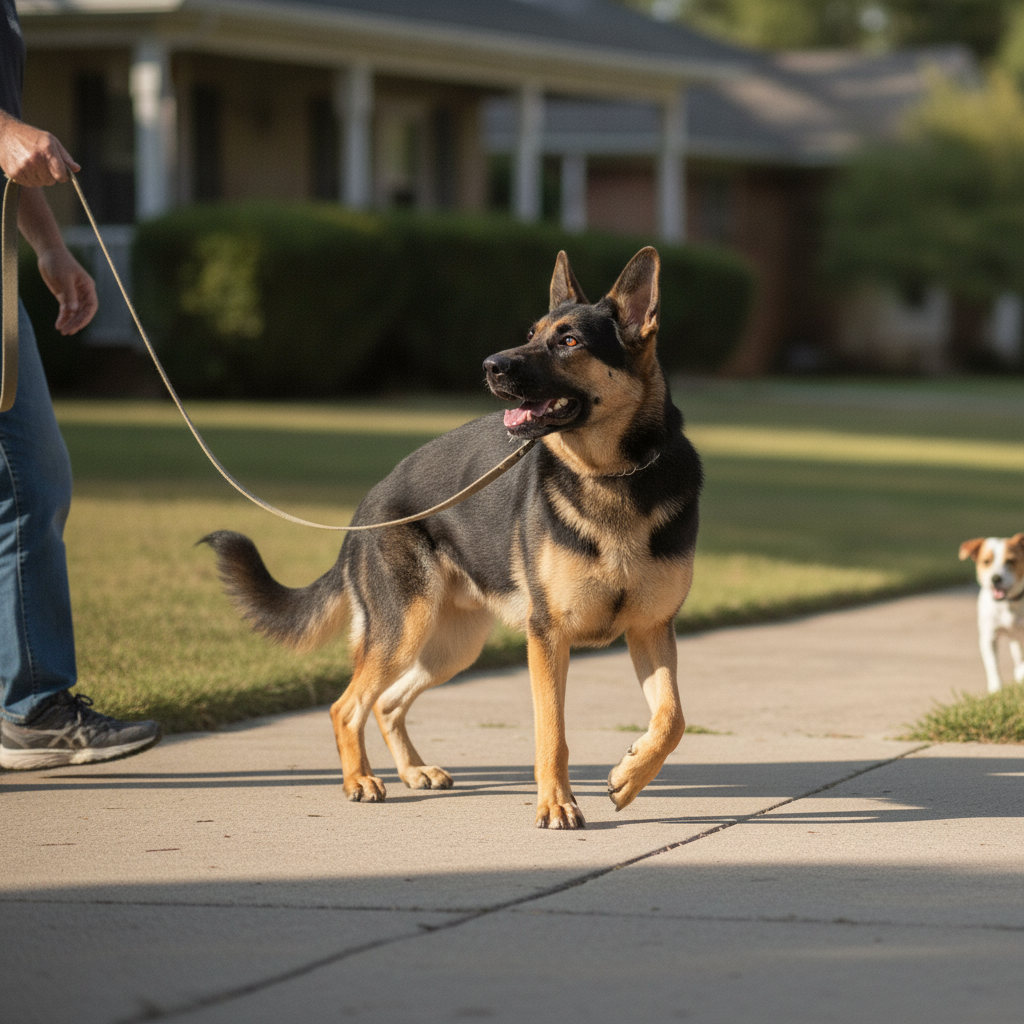
ModerateCommon signs
Seek help now
Moderate is a starting point for planning, not a diagnosis. Bites or unsafe handling require veterinary review and an in-person assessment before group work.
Understanding the behavior
Leash reactivity is an intense response to a trigger while restrained. Fear, frustration, overarousal, or aggression can produce similar displays, so barking and lunging alone do not reveal intent. The dog's history, body language, distance, and recovery guide the plan.
Good training starts below the point where the dog cannot think. Route changes, visual barriers, safer equipment, and planned distance prevent repeated explosions while the dog learns to notice, disengage, and return attention to the handler.
The goal is a walk you can manage, not a promise that the dog will enjoy close contact with every trigger. Many dogs improve with consistent practice, but results vary with motivation, bite history, environment, and handler follow-through.
Partners Dogs has trained Arizona dogs through every kind of leash reactivity case since 1997, at our Scottsdale and Cave Creek facilities. Lifetime trainer support is included with every board-and-train program.
The transformation
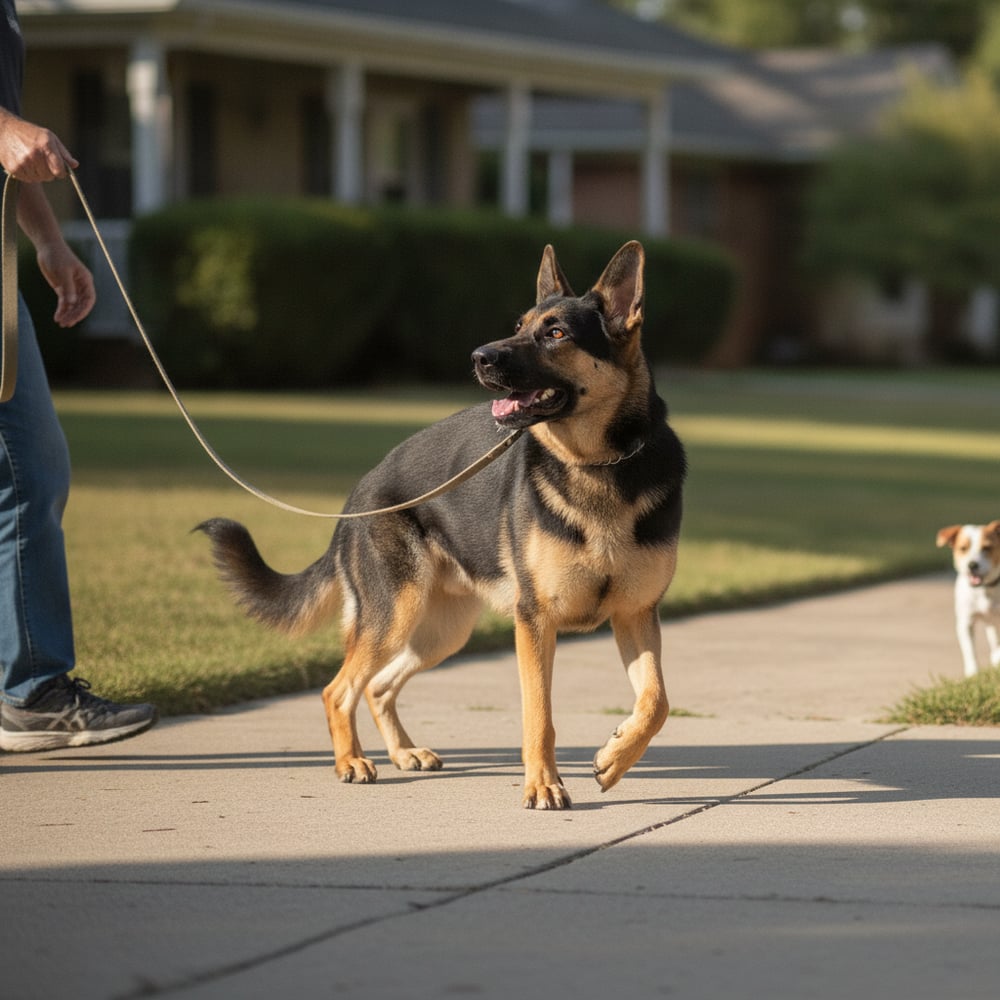
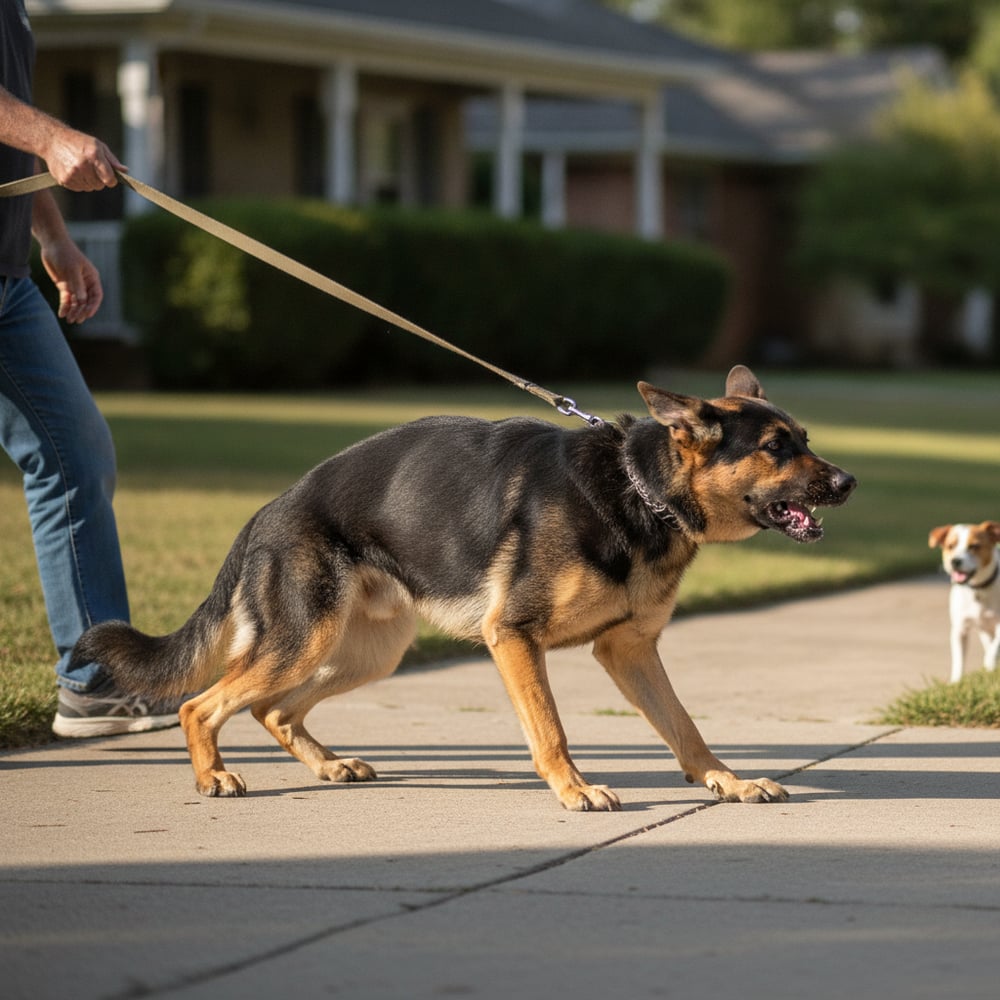
Drag the slider to see the change our programs make for a dog with leash reactivity. Same dog, same home, real outcome.
Watch
Short walkthroughs from our trainers on the exact techniques we use to resolve leash reactivity. See how the work actually looks, then choose the path that fits your dog.


Recommended path · Moderate severity
Based on how leash reactivity typically presents, here is where we would start. Not sure which fits? Take the PD360 assessment for a personalized recommendation.
A 4 to 6 week immersive behavior-modification program, the best fit for moderate behavior issues.
One-on-one sessions to address specific triggers and transfer trainer skills to you.
The process
Not sure which program
Take our quick PD360 assessment for a personalized recommendation, or talk to a trainer who has seen leash reactivity many times before.
“"Apollo used to drag me to the ground when he saw another dog. I stopped taking him out past 6am just to avoid people. After Behavior Camp, we walked the Greenbelt last weekend and passed six dogs without a single incident. I honestly couldn't believe it was the same dog."”
“"Everyone kept telling me my dog was just 'dominant' or 'not well-socialized.' The Partners team actually explained what was happening in his brain and built a real plan around it. Three months later, our walks are something I actually look forward to."”
Good to know
Leash reactivity typically starts with Behavior Camp, our 21-day immersive board-and-train ($6,244, discounted with membership), followed by Private Lessons on your actual walking route to generalize the work. A $199 PD360 Assessment, credited toward enrollment in your recommended camp or membership (not toward à la carte bookings or general reservations), tells you if you are looking at frustration-based reactivity or something more serious before we recommend a plan.
Not usually, but it is the most common fear owners bring to us. Leash reactivity looks alarming: barking, lunging, snapping at the air, but it is almost always a frustration or over-threshold response, not true aggression.
If you are not sure which one you are looking at, that is exactly what the PD360 Assessment is for. We will tell you plainly which pattern your dog is showing.
Mild leash reactivity can absolutely be improved at home, but it takes the right tools and a real plan, because willpower alone runs out. The work that helps most:
If your dog is over threshold within a block of leaving the house, or if you cannot manufacture distance on your route, that is when DIY stalls. Bring in help before the pattern gets older.
Bring in a trainer when any of these are true:
At Partners Dogs, leash reactivity is usually a Behavior Camp case, 21 days of immersive board-and-train at our Scottsdale or Cave Creek facility, followed by private lessons in your actual neighborhood. We start every case with a PD360 Assessment so we know which one you are looking at: frustration, fear, or genuine social aggression. Those need different protocols.
Leash reactivity is one of the most common patterns we see at Partners Dogs, and it usually comes from three things working together:
Off-leash, dogs have agency. They can approach, retreat, or sniff at their own pace, which usually defuses the trigger. That is why so many leash-reactive dogs are perfectly social at the dog park or in DaySchool.
They look similar at the end of the leash but they are different problems:
Many dogs have both. They pull when calm and react when triggered. The training plans overlap (both build engagement and impulse control), but reactivity requires additional work on the dog's emotional response to the trigger. That is why severe reactivity is usually a Behavior Camp case, while plain pulling is a Foundation Camp case.
Dogs with leash reactivity often show these patterns too. Explore the behaviors below. We treat them all.
Keep learning
Practical reading from our trainers on behavior, everyday manners, and life with a dog in Arizona.
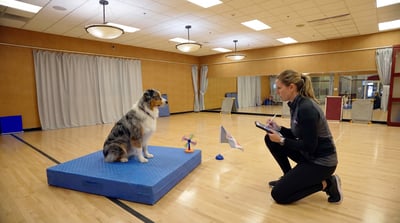
Is the PD360 Assessment worth the fee? See what the full day includes, when the fee becomes store credit, and how ...
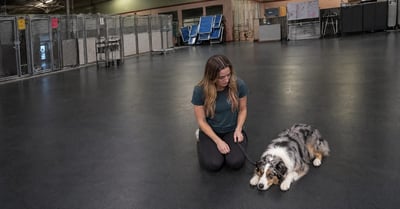
The AVSAB humane training position says only reward-based methods should be used for dog training and aversive tools ...
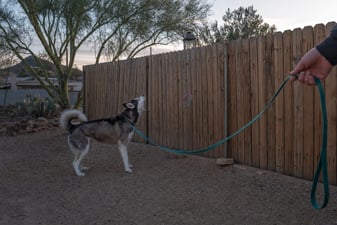
Scottsdale barking ordinance Sec. 4-17(C) explained: complaint steps, fines, HOA pet rules, and how to fix barking. ...

In-home puppy training vs puppy class: see how Pre-School Puppy near Carefree and Cave Creek compares on scheduling, ...
Ready for the next step
Every dog and household is different. Get a real conversation with a Partners Dogs trainer who has treated leash reactivity for more than 28 years. You hear how we would approach it, and you decide from there.