
Behavior Camp
A 4 to 6 week immersive behavior-modification program, the best fit for moderate behavior issues.
Essential
PD360 AssessmentYour dog's personalized starting point Dog BoardingOvernight stays with trained care Snake AvoidanceRattlesnake safety training GroomingLow-stress bath, brush-out & nailsFoundational
Foundation Camp14-night basics + manners DaySchoolDaily training + structured enrichment Private Lessons1-on-1 coaching for you + your dog Group ClassesWeekly skills in a social settingCurriculum
Grade-Level Curriculum8 grades from Pre-School Puppy to Dogtorate Training JourneyWhat progress looks like, week by week Our MethodologyHow we train and why it lastsDog Behavior Solutions
Behavior severity
ModerateCommon signs
Seek help now
Moderate is a starting point for planning, not a diagnosis. Self-injury, escape, or severe panic requires veterinary care and an in-person assessment before program placement.
Understanding the behavior
Separation anxiety is distress related to being apart from a person or left alone. It is not spite. Barking, destruction, house-soiling, pacing, drooling, and escape attempts may be signs of panic, but video and history help distinguish separation distress from boredom, confinement fear, outside triggers, or a medical problem.
Training uses absences short enough to avoid full panic and increases duration according to the dog's response. Repeatedly leaving a dog to cry it out can intensify distress. Some dogs also need changes to confinement because a crate can increase panic rather than create safety.
Sudden onset or house-soiling warrants a veterinary check. Medication prescribed by a veterinarian may be appropriate for moderate or severe cases. Many dogs improve with a consistent plan, but progress is rarely linear and results vary with severity, household logistics, medical factors, and follow-through.
Partners Dogs has trained Arizona dogs through every kind of separation anxiety case since 1997, at our Scottsdale and Cave Creek facilities. Lifetime trainer support is included with every board-and-train program.
The transformation
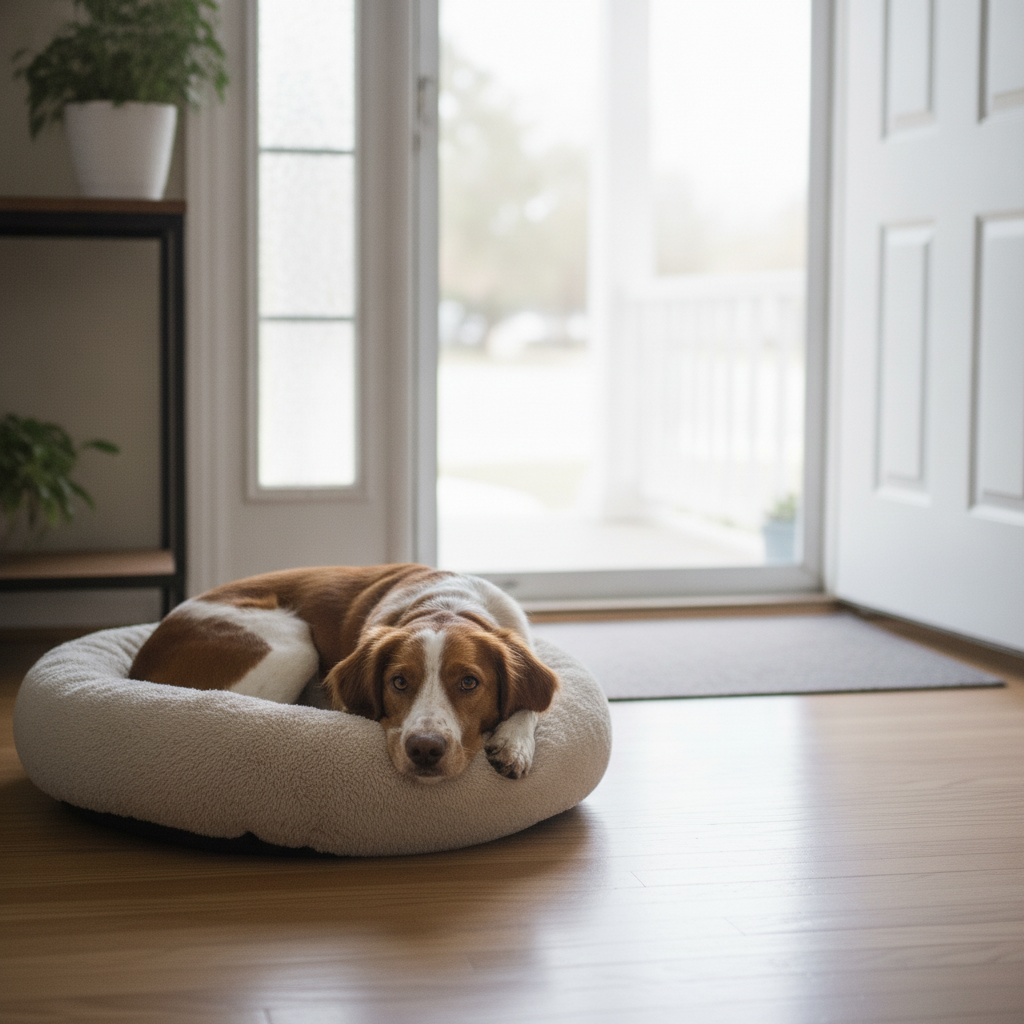
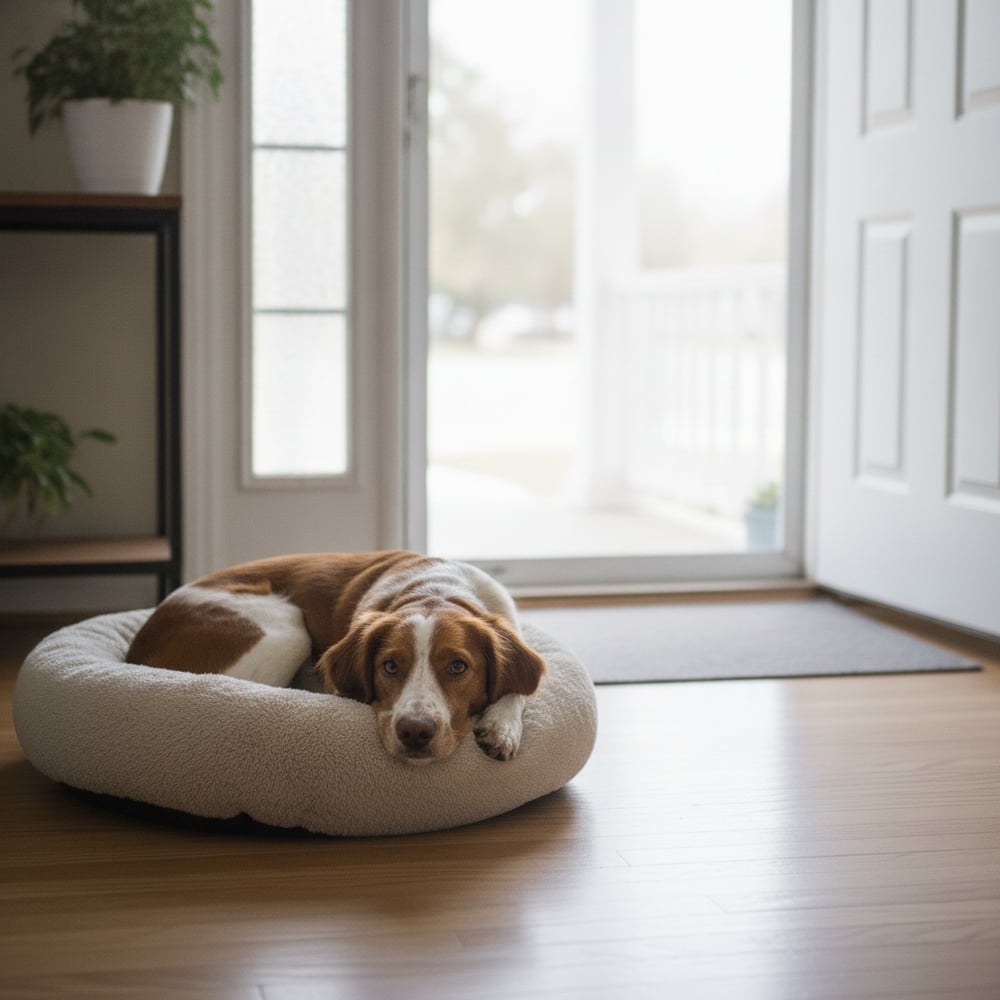
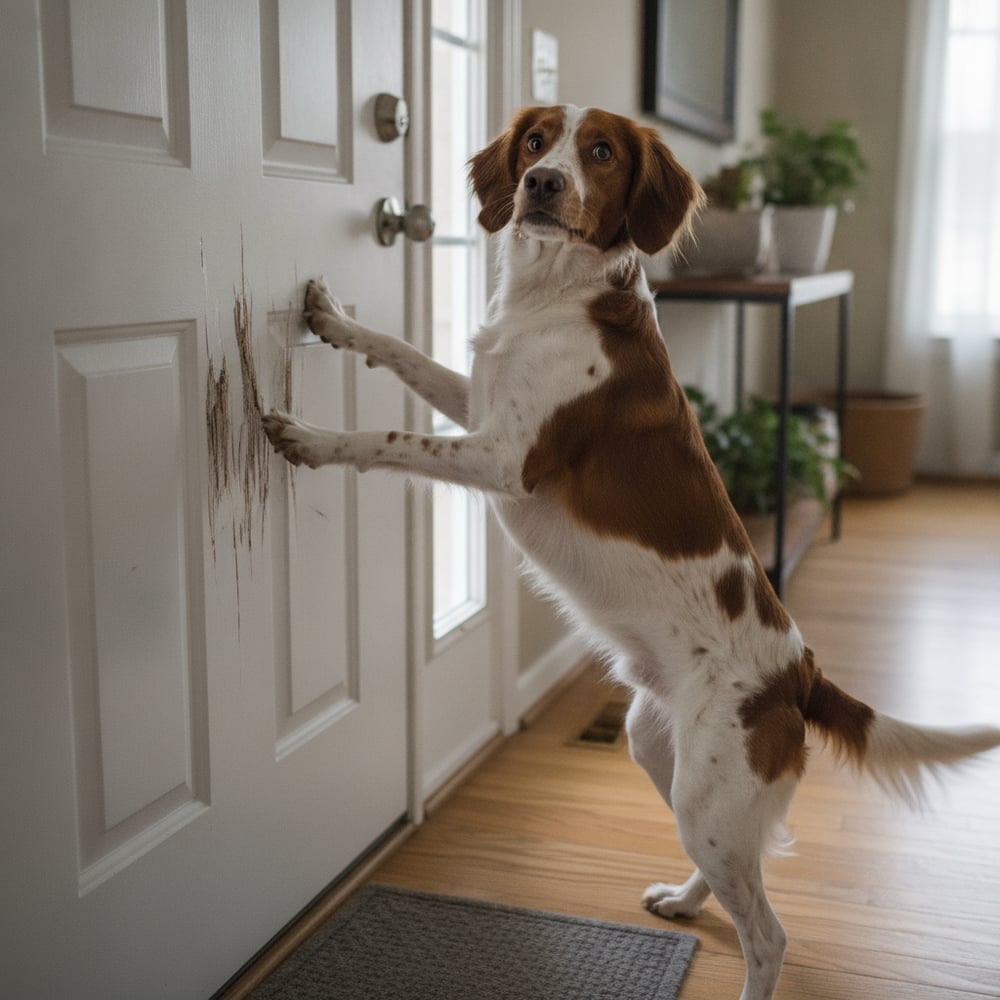
Drag the slider to see the change our programs make for a dog with separation anxiety. Same dog, same home, real outcome.
Watch
Short walkthroughs from our trainers on the exact techniques we use to resolve separation anxiety. See how the work actually looks, then choose the path that fits your dog.


Recommended path · Moderate severity
Based on how separation anxiety typically presents, here is where we would start. Not sure which fits? Take the PD360 assessment for a personalized recommendation.
A 4 to 6 week immersive behavior-modification program, the best fit for moderate behavior issues.
One-on-one sessions to address specific triggers and transfer trainer skills to you.
The process
Not sure which program
Take our quick PD360 assessment for a personalized recommendation, or talk to a trainer who has seen separation anxiety many times before.
“"I was working from home full-time just because I couldn't bear leaving Maple alone. After Behavior Camp and our home follow-through, she can handle meaningful time by herself without the old level of distress. I actually cried on the drive home the first time I left her and nothing happened."”
“"Our neighbors had approached us twice about the barking. We were embarrassed and at our wit's end. The team at Partners Dogs didn't just work with Biscuit, they changed how we approached being alone. Six months later, he settles on his bed when we leave."”
Good to know
Dogs do not naturally hate crates. A well-conditioned crate is a den, a safe, quiet space dogs choose to nap in. Dogs come to hate crates when one of these has happened:
The fix is rebuilding the crate as a positive space, never closing the door until your dog enters voluntarily, feeding meals inside, building duration slowly. If the dog has injured themselves trying to escape, you have to back up further and rule out separation anxiety first.
The right way to crate train a puppy in the first week home:
Never use the crate as punishment. Never force the puppy in. Never leave a puppy crated longer than their bladder can manage (roughly one hour per month of age, up to about four hours).
It depends entirely on the dog's history with the crate. A well-conditioned crate can be a safe den that lowers anxiety. A dog who has only experienced the crate as a punishment, or who has injured themselves trying to escape one, will panic harder in it.
Here is how we think about it:
At Partners Dogs we condition crates as a positive space first, then layer them into the separation work, never the other way around.
The destruction can look identical, but the patterns are different. Separation anxiety usually shows these markers:
Boredom destruction tends to happen across the day, scattered around the house, in a dog who was fine in the first hour. If you are not sure, set up a camera. The first 30 minutes after you leave will tell you.
Real separation anxiety responds to a structured behavior modification protocol, not generic obedience work. At Partners Dogs we treat it through Behavior Camp paired with in-home private lessons. The core components:
This is one area where DIY rarely succeeds because the steps are too small to feel like progress and the timeline is too long to sustain alone. Get professional eyes on it.
Separation anxiety almost always traces back to one of three patterns:
This is genuine panic, not spite or stubbornness. If your dog could reason their way out of it, they would. The fix is rebuilding their emotional capacity to be alone gradually, not punishing them when you come home to chewed baseboards.
Dogs with separation anxiety often show these patterns too. Explore the behaviors below. We treat them all.
Keep learning
Practical reading from our trainers on behavior, everyday manners, and life with a dog in Arizona.
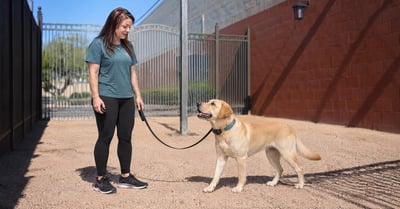
Condition an e-collar as a redirect cue for your reactive dog. Low-level signal, no correction. Scottsdale & Cave ...
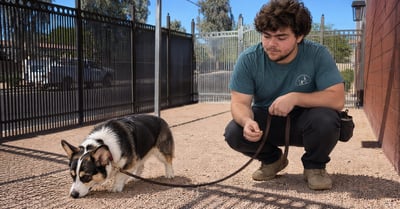
Adult dog potty training regression? Rule out medical causes first, then rebuild the routine with a strict schedule and ...

Reactive dog training in the Phoenix area comes in several formats, from a 14-night leash intensive to a 21-night ...
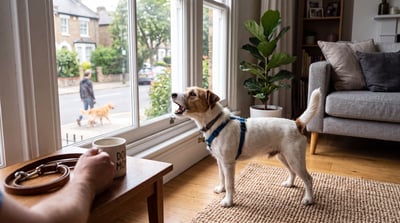
Block the sightline, then reward quiet: the training steps Partners Dogs trainers use for nuisance barking in ...
Ready for the next step
Every dog and household is different. Get a real conversation with a Partners Dogs trainer who has treated separation anxiety for more than 28 years. You hear how we would approach it, and you decide from there.