
Behavior Camp
A 4 to 6 week immersive behavior-modification program, the best fit for moderate behavior issues.
Essential
PD360 AssessmentYour dog's personalized starting point Dog BoardingOvernight stays with trained care Snake AvoidanceRattlesnake safety training GroomingLow-stress bath, brush-out & nailsFoundational
Foundation Camp14-night basics + manners DaySchoolDaily training + structured enrichment Private Lessons1-on-1 coaching for you + your dog Group ClassesWeekly skills in a social settingCurriculum
Grade-Level Curriculum8 grades from Pre-School Puppy to Dogtorate Training JourneyWhat progress looks like, week by week Our MethodologyHow we train and why it lastsDog Behavior Solutions
Behavior severity
ModerateCommon signs
Seek help now
Moderate is a starting point for planning, not a diagnosis. Bites, self-injury, or sudden onset warrant veterinary care and an in-person assessment before exposure work.
Understanding the behavior
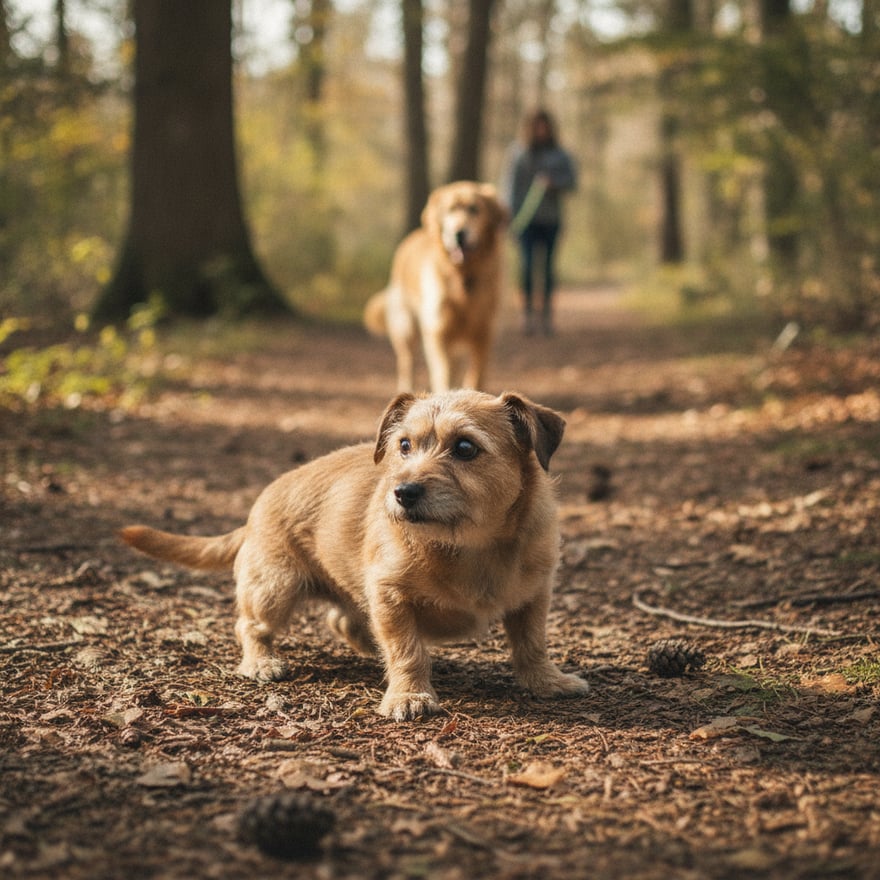
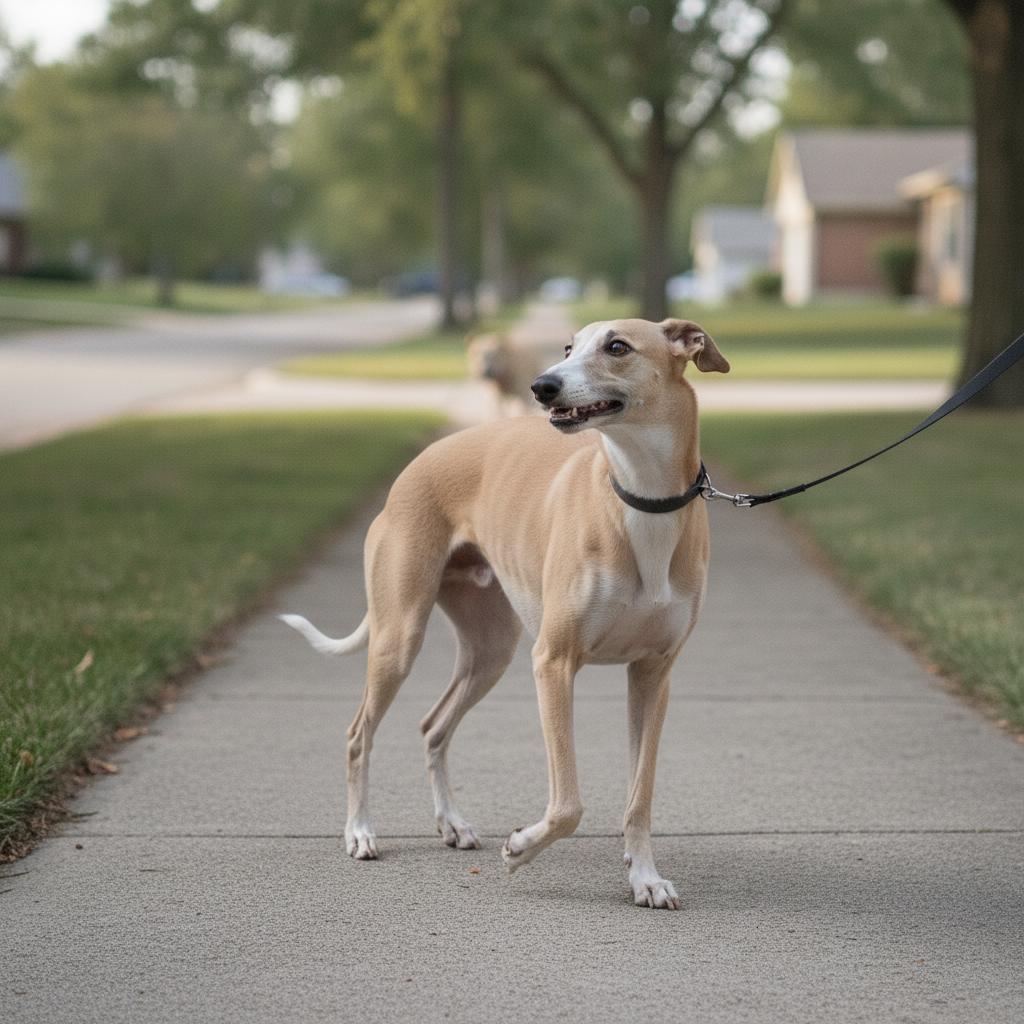
Fear of other dogs can look like hiding, freezing, fleeing, barking, or lunging. The last two are often mistaken for confidence or aggression. Body language, distance, recovery, and history help clarify what the dog is trying to accomplish.
Forced greetings and crowded dog parks can confirm that other dogs are unsafe. Better work begins below the dog's panic threshold, pairs distance with choice, and progresses only when the dog can recover. Neutral coexistence is a valid outcome.
Many fearful dogs gain confidence with paced exposure and consistent handling. Results vary, and some dogs will always need thoughtful distance or carefully selected companions.
Partners Dogs has trained Arizona dogs through every kind of fear of other dogs case since 1997, at our Scottsdale and Cave Creek facilities. Lifetime trainer support is included with every board-and-train program.
The transformation
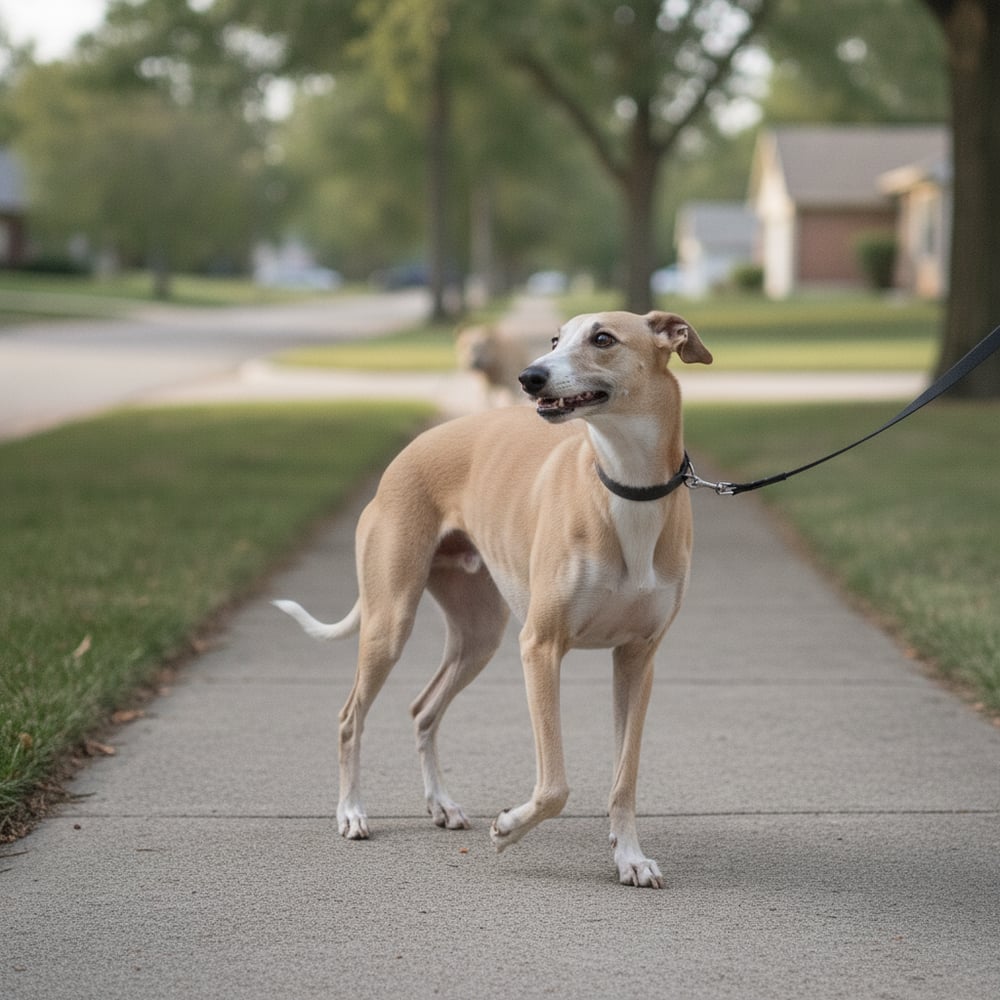
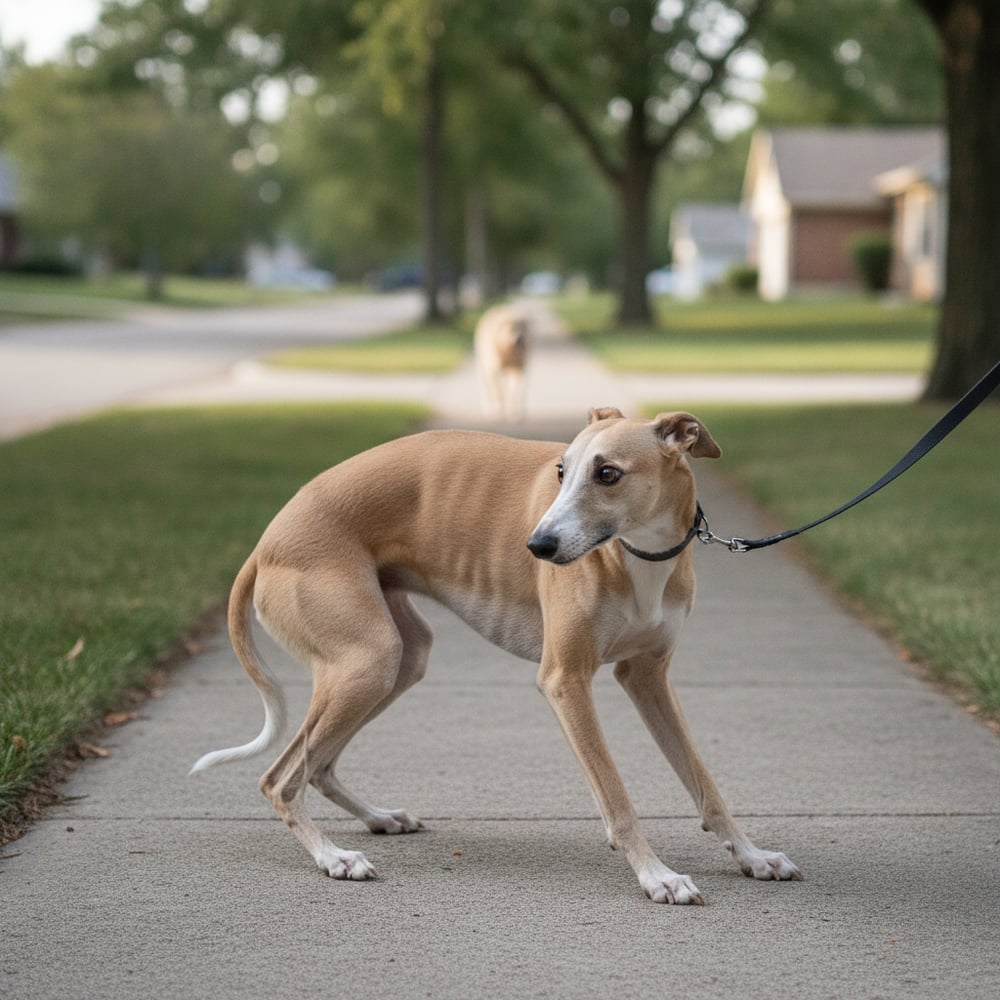
Drag the slider to see the change our programs make for a dog with fear of other dogs. Same dog, same home, real outcome.
Watch
Short walkthroughs from our trainers on the exact techniques we use to resolve fear of other dogs. See how the work actually looks, then choose the path that fits your dog.


Recommended path · Moderate severity
Based on how fear of other dogs typically presents, here is where we would start. Not sure which fits? Take the PD360 assessment for a personalized recommendation.
A 4 to 6 week immersive behavior-modification program, the best fit for moderate behavior issues.
One-on-one sessions to address specific triggers and transfer trainer skills to you.
The process
Not sure which program
Take our quick PD360 assessment for a personalized recommendation, or talk to a trainer who has seen fear of other dogs many times before.
“"We adopted Maya from a rescue and she was terrified of every dog she met. I felt so guilty taking her anywhere. After Behavior Camp, she isn't a social butterfly, and that's okay, but she can walk past other dogs without shutting down. She made two dog friends at DaySchool. For a dog who used to cower at the sight of a leash, that's remarkable."”
“"Our trainer warned us that pushing a fearful dog too fast makes things worse, and that had been exactly our mistake. The Partners team was so patient and methodical. They worked at Ranger's pace, not ours. Watching him go from hiding behind my legs to playing in a DaySchool yard, that was something I genuinely didn't think was possible."”
Good to know
No, forced greetings and crowded dog parks tend to confirm a fearful dog's belief that other dogs are unsafe rather than fix it. Better progress happens below your dog's panic threshold, at a real distance where they can still notice a trigger and recover, with exposure increasing only once your dog can handle the current step calmly.
Fear of other dogs is typically moderate severity, so we start with Behavior Camp, our 21-day immersive board-and-train ($6,244, discounted with membership), with Private Lessons as the alternative for handler-focused work at your own pace. The $199 PD360 Assessment, credited toward enrollment in your recommended camp or membership (not toward à la carte bookings or general reservations), confirms your dog's starting point.
Progress is measured in gradual exposure below your dog's panic threshold, so it is deliberately slower than obedience training. Most dogs build real confidence over Behavior Camp's 21 days, though some dogs will always need thoughtful distance or carefully selected companions rather than becoming comfortable with every dog they meet.
The instinct most owners have, “they just need more socialization”, usually backfires. Forcing a fearful dog into a dog park or letting them meet random dogs on the trail strengthens the fear because the dog cannot escape.
What actually works:
At Partners Dogs we have controlled socialization sessions built into Behavior Camp and DaySchool. Your dog rebuilds social confidence around carefully selected dogs before we send them into the wild.
Canine social fear comes from one of three places, usually:
Social fear often looks like reactivity, barking and lunging, but the motivation is “make this scary thing go away,” not aggression. The treatment is rebuilding confidence in a controlled environment, gradually, before generalizing back to real-world walks. At Partners Dogs that is a Behavior Camp case paired with private lessons.
Dogs with fear of other dogs often show these patterns too. Explore the behaviors below. We treat them all.
Keep learning
Practical reading from our trainers on behavior, everyday manners, and life with a dog in Arizona.
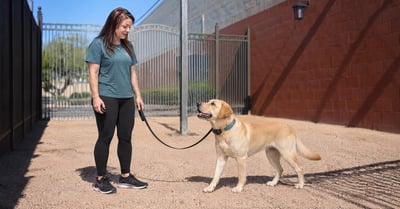
Condition an e-collar as a redirect cue for your reactive dog. Low-level signal, no correction. Scottsdale & Cave ...
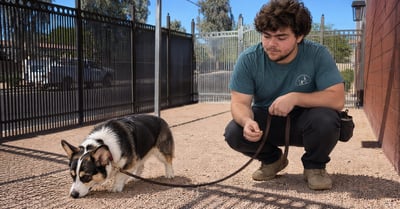
Adult dog potty training regression? Rule out medical causes first, then rebuild the routine with a strict schedule and ...
Reactive dog training in the Phoenix area comes in several formats, from a 14-night leash intensive to a 21-night ...
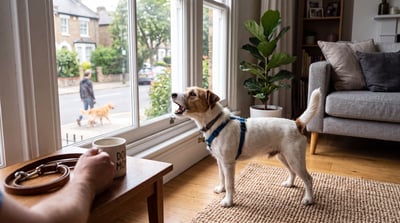
Block the sightline, then reward quiet: the training steps Partners Dogs trainers use for nuisance barking in ...
Ready for the next step
Every dog and household is different. Get a real conversation with a Partners Dogs trainer who has treated fear of other dogs for more than 28 years. We help you sort out what to try first and what can wait.