Transform Camp
Our most intensive immersive board-and-train, built for severe behavior cases that need the deepest rehabilitation.
Essential
PD360 AssessmentYour dog's personalized starting point Dog BoardingOvernight stays with trained care Snake AvoidanceRattlesnake safety training GroomingLow-stress bath, brush-out & nailsFoundational
Foundation Camp14-night basics + manners DaySchoolDaily training + structured enrichment Private Lessons1-on-1 coaching for you + your dog Group ClassesWeekly skills in a social settingCurriculum
Grade-Level Curriculum8 grades from Pre-School Puppy to Dogtorate Training JourneyWhat progress looks like, week by week Our MethodologyHow we train and why it lastsDog Behavior Solutions
Behavior severity
SevereCommon signs
Seek help now
Moderate-Severe is a starting point for planning, not a diagnosis. Use complete separation at meals and arrange veterinary care plus an in-person assessment before attempting behavior exercises.
Understanding the behavior
Food aggression is defensive behavior around meals, treats, chews, dropped food, or food preparation. It may begin with freezing or eating faster and escalate when people or animals approach. Punishing warnings or taking food by force can increase conflict and remove useful signals.
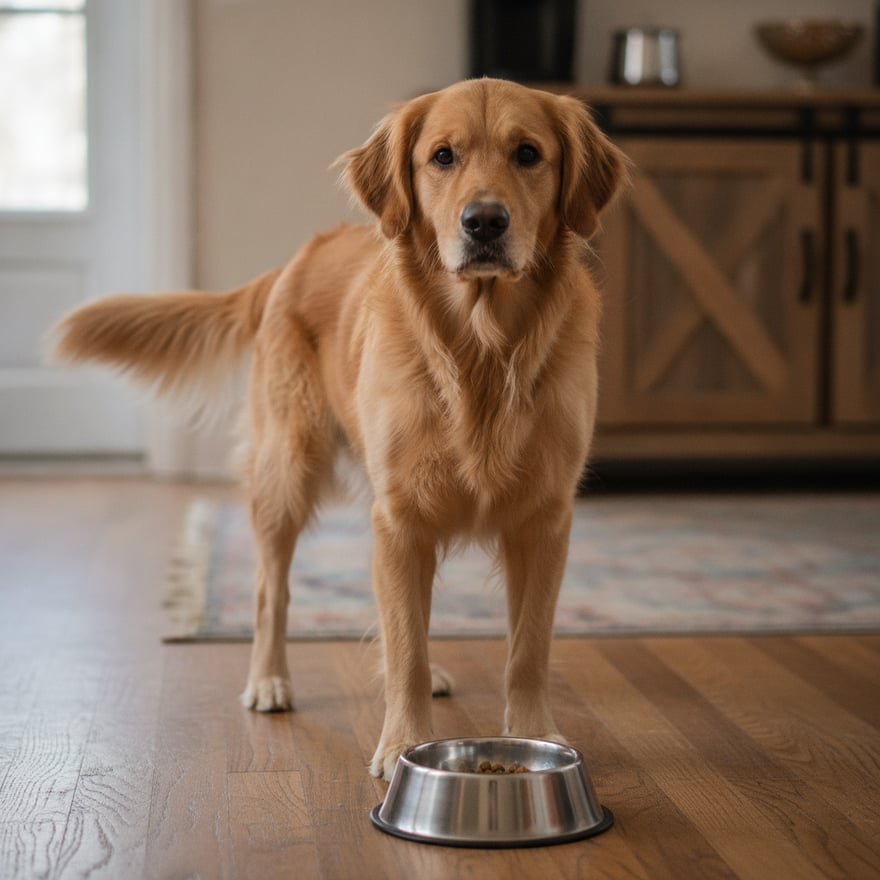
Immediate management comes first. Feed separately behind a closed barrier, keep children away, pick bowls up only after the dog has left, and prevent competition over dropped food. Do not test the dog by reaching toward the bowl.
A bite or sudden onset warrants a veterinary check and an in-person assessment. Pain, gastrointestinal discomfort, medication changes, and other medical factors can affect food behavior. Many dogs improve with a careful plan, but prognosis varies, and lifelong mealtime management may remain appropriate.
Partners Dogs has trained Arizona dogs through every kind of food aggression case since 1997, at our Scottsdale and Cave Creek facilities. Lifetime trainer support is included with every board-and-train program.
The transformation
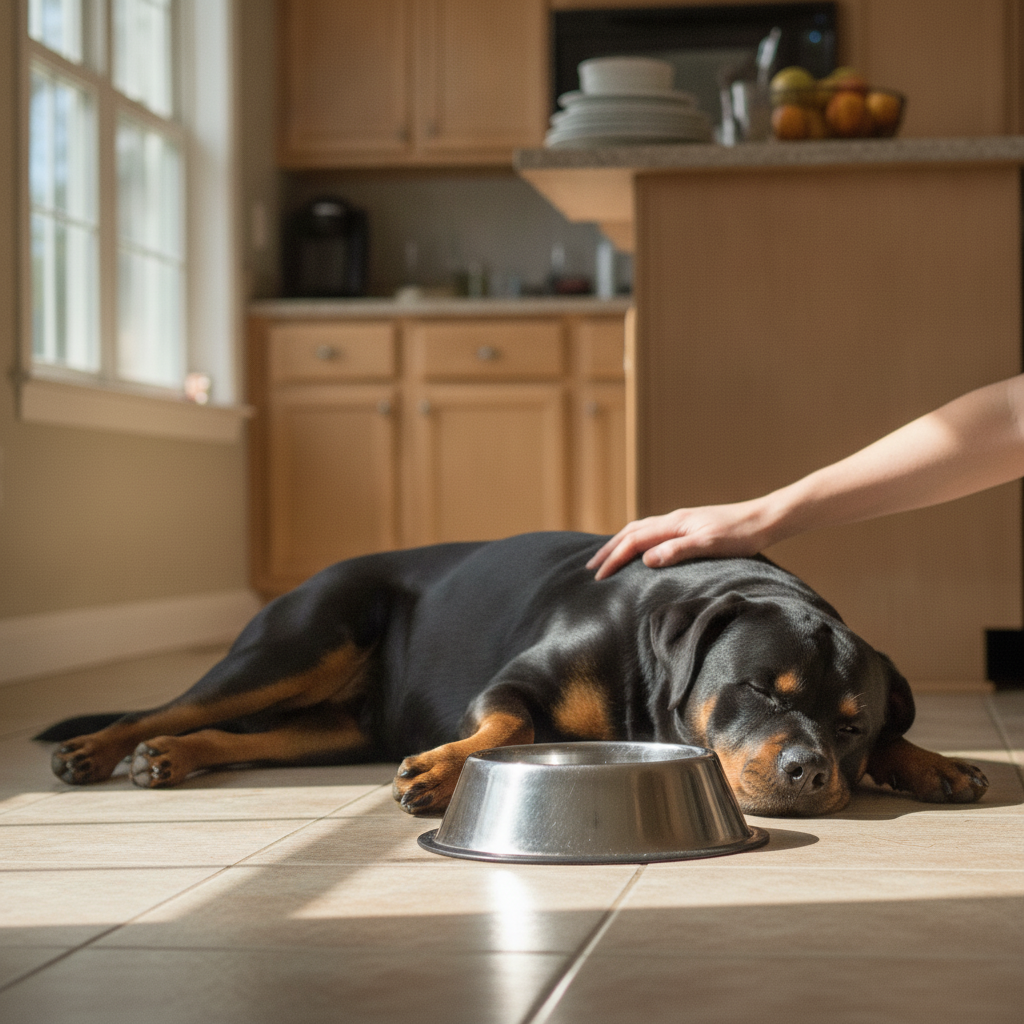
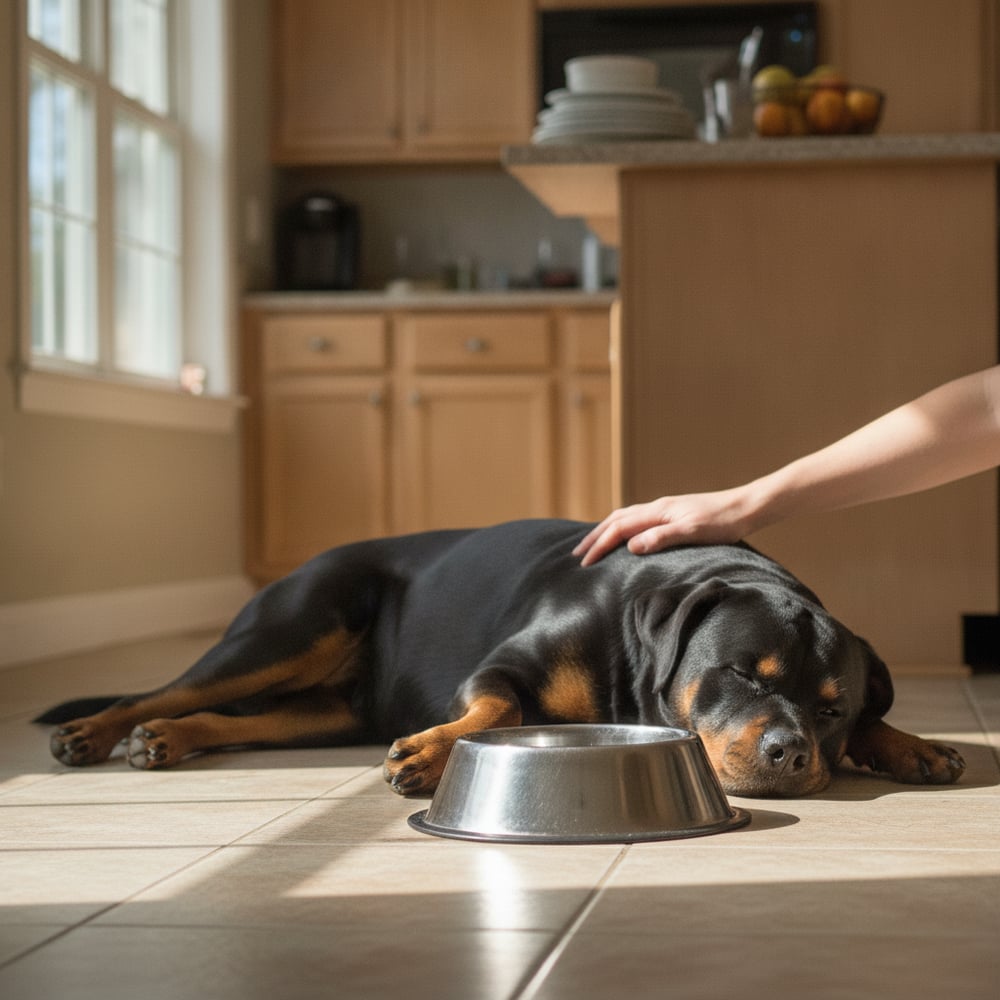
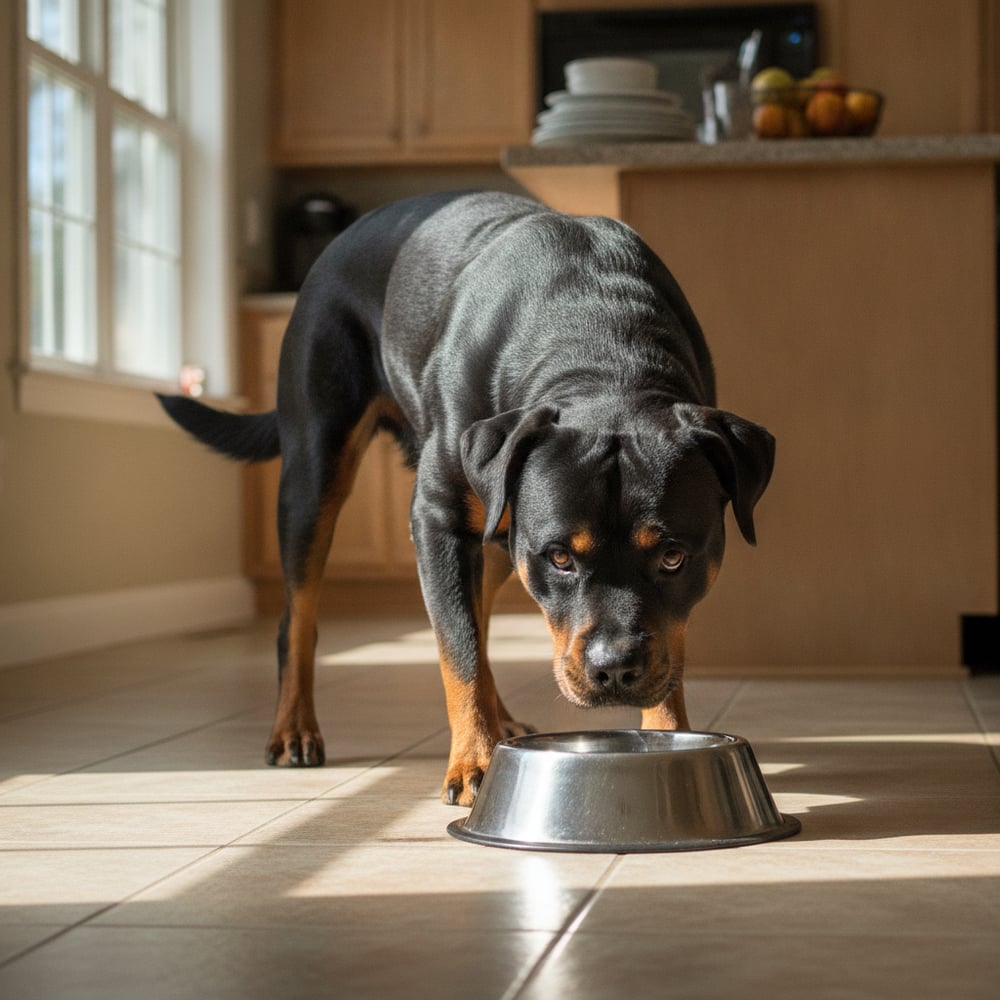
Drag the slider to see the change our programs make for a dog with food aggression. Same dog, same home, real outcome.
Recommended path · Severe severity
Based on how food aggression typically presents, here is where we would start. Not sure which fits? Take the PD360 assessment for a personalized recommendation.
Our most intensive immersive board-and-train, built for severe behavior cases that need the deepest rehabilitation.
One-on-one work at our facility or your home, ideal for transferring skills and handling triggers in real environments.
The process
Not sure which program
Take our quick PD360 assessment for a personalized recommendation, or talk to a trainer who has seen food aggression many times before.
“"I'd been putting Ranger's bowl down and leaving the room for two years because he'd growl if I stood nearby. I knew it wasn't normal but I didn't know how bad it had gotten until my niece reached down toward him at dinner. Partners sorted it out in a way I never could have on my own. We can stand right next to him now while he eats. It feels like a completely different household."”
“"Our trainer at Partners was the first person who explained the difference between resource guarding and what Maya was actually doing around food. Knowing the distinction helped everything. Behavior Camp addressed it directly and the results were real. Mealtimes used to be the most stressful part of our day, now they're just mealtimes."”
Good to know
Conflict between household dogs at feeding time is common and needs the same immediate management as guarding from a person: complete separation at meals, no shared bowls, and picking up food only once every dog has left the area. The dogs may also need individually tailored work, since one guarding dog can put every dog in the home at risk.
Because food aggression carries real bite risk, we typically recommend Transform Camp, our most intensive immersive board-and-train ($8,929, discounted with membership), with Private Lessons as the alternative for facility or in-home work transferring skills to your family. The $199 PD360 Assessment is required before program placement and credits toward enrollment in a recommended camp or membership, not toward à la carte bookings or general reservations.
Food aggression is typically severe severity, so it starts with an in-person assessment and complete meal-time separation before any behavior exercises begin. Many dogs improve with a careful plan built through Transform Camp's 4-week program, though prognosis varies and lifelong mealtime management may remain the safest approach for some dogs.
Immediate management comes first: feed separately behind a closed barrier, keep children away during meals, pick up bowls only after your dog has left, and never test your dog by reaching toward the bowl or taking food by force. From there, a professional plan changes the association with people approaching, rather than punishing the warning signs away.
Food aggression is a specific form of resource guarding targeted at food, treats, or food drops. Common causes:
The dangerous pattern is owners who try to “teach the dog who is boss” by sticking their hand in the bowl during meals, taking food away, or pushing the dog off. This is exactly the wrong approach. It confirms the dog's fear that humans are food thieves and escalates the guarding.
At Partners Dogs we treat food aggression as a serious behavior issue that requires structured desensitization. This is a Behavior Camp case at minimum, and a Transform Camp case if there has been a bite.
Inter-dog resource guarding is one of the most stressful patterns in a multi-dog household and one of the easiest to make worse with the wrong approach. The non-negotiables:
If fights have drawn blood, this is sibling aggression territory and a Transform Camp case at Partners Dogs. The PD360 Assessment will determine whether the work can be done with one dog or whether both need behavior modification.
Dogs with food aggression often show these patterns too. Explore the behaviors below. We treat them all.
Keep learning
Practical reading from our trainers on behavior, everyday manners, and life with a dog in Arizona.
Condition an e-collar as a redirect cue for your reactive dog. Low-level signal, no correction. Scottsdale & Cave ...
Adult dog potty training regression? Rule out medical causes first, then rebuild the routine with a strict schedule and ...
Reactive dog training in the Phoenix area comes in several formats, from a 14-night leash intensive to a 21-night ...
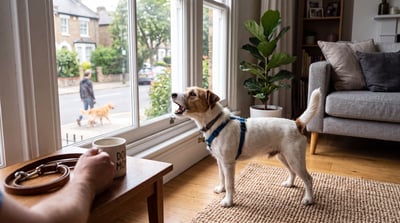
Block the sightline, then reward quiet: the training steps Partners Dogs trainers use for nuisance barking in ...
Ready for the next step
Every dog and household is different. Get a real conversation with a Partners Dogs trainer who has treated food aggression for more than 28 years. Take what you learn home and talk it over before you commit to anything.