Google
Wonderful staff who genuinely love our dogs! My GSD gets so excited the moment we pull into the parking lot!
Essential
PD360 AssessmentYour dog's personalized starting point Dog BoardingOvernight stays with trained care Snake AvoidanceRattlesnake safety training GroomingLow-stress bath, brush-out & nailsFoundational
Foundation Camp14-night basics + manners DaySchoolDaily training + structured enrichment Private Lessons1-on-1 coaching for you + your dog Group ClassesWeekly skills in a social settingCurriculum
Grade-Level Curriculum8 grades from Pre-School Puppy to Dogtorate Training JourneyWhat progress looks like, week by week Our MethodologyHow we train and why it lastsDog Behavior Solutions
Prefer to talk first? Call 480-595-6700
Severe severity
Severe always starts with an in-person assessment.
Know the signs
A clearer picture to bring to the assessment. There is no score here and no diagnosis.
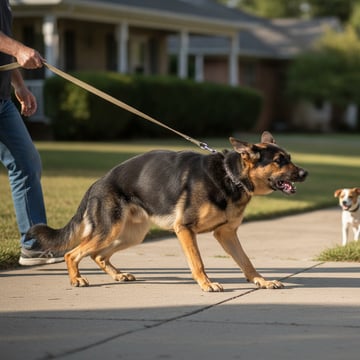
Stiffening, hard staring, growling, snapping, or lunging
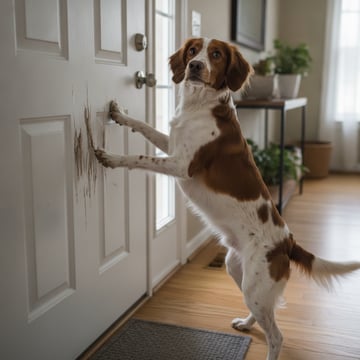
Guarding food, space, people, or access points
Reactions that become faster, broader, or harder to interrupt
Avoidance followed by escalation when distance is not available
Household routines built around preventing contact
Any bite, puncture, repeated attack, or pursuit after the trigger retreats
Aggression toward a child, vulnerable adult, or household animal
Redirected biting of a handler or person breaking up a conflict
Sudden onset, disorientation, pain, or another medical change
Mild fits Foundation Camp and Moderate fits Behavior Camp. Severe always starts with an in-person assessment. Your PD360 Assessment confirms the right program for your dog.
Severe is a starting point for planning, not a diagnosis. Use secure separation and arrange veterinary care plus an in-person behavior assessment before further exposure.
Understanding the behavior
Aggression describes behavior used to create distance, protect a resource, stop contact, or pursue a target.
Growling, snapping, lunging, and biting can arise from fear, pain, conflict, guarding, territorial behavior, predation, or learned patterns. A label alone does not explain the cause or predict the outcome.
Immediate management protects people and animals while the case is assessed. Barriers, leashes, separation, visitor rules, and avoiding known triggers are not failures. They prevent another rehearsal and give training a safer foundation.
Any bite or sudden onset warrants a veterinary check because pain and medical changes can affect behavior. Severe cases receive an in-person assessment before program placement. Many dogs can become safer and more manageable with a consistent plan, but prognosis varies with bite history, triggers, household setup, and follow-through. No ethical plan can promise that all risk will disappear.
The transformation
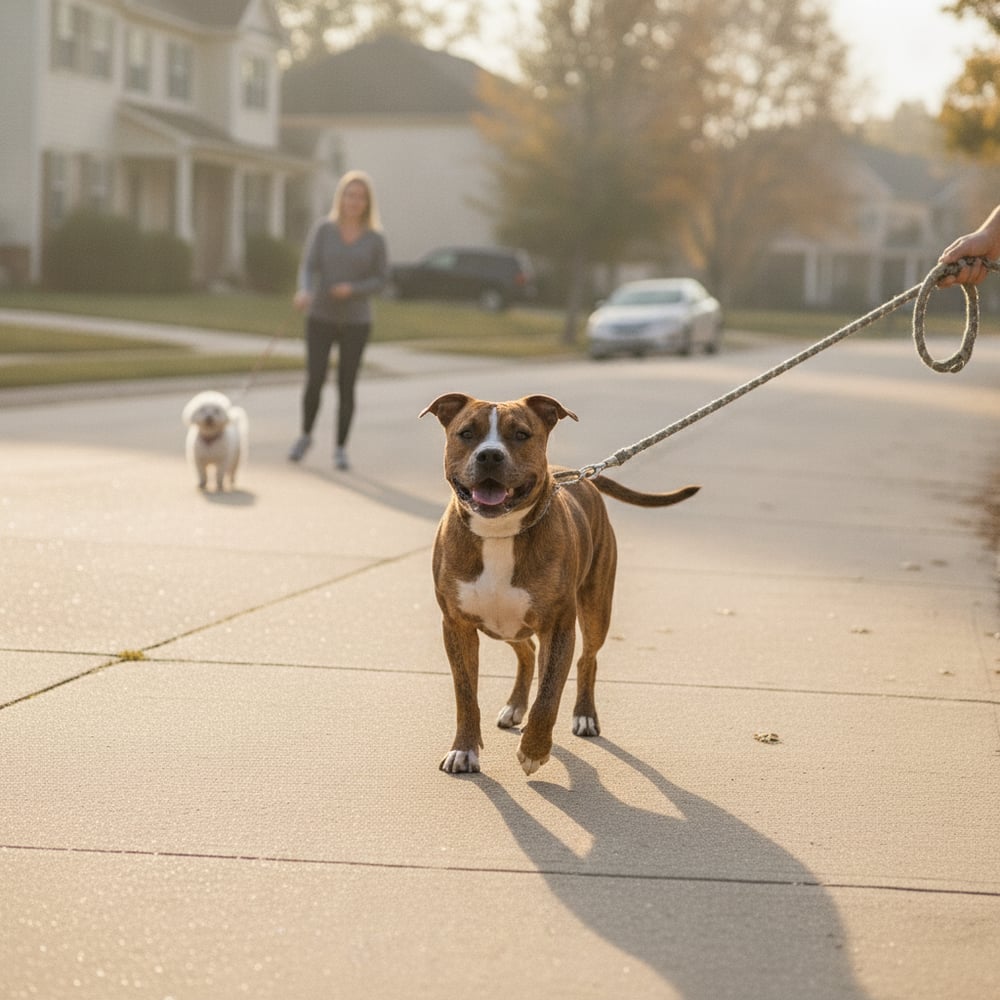
Move the slider to compare the behavior shown with the calmer response training works toward.
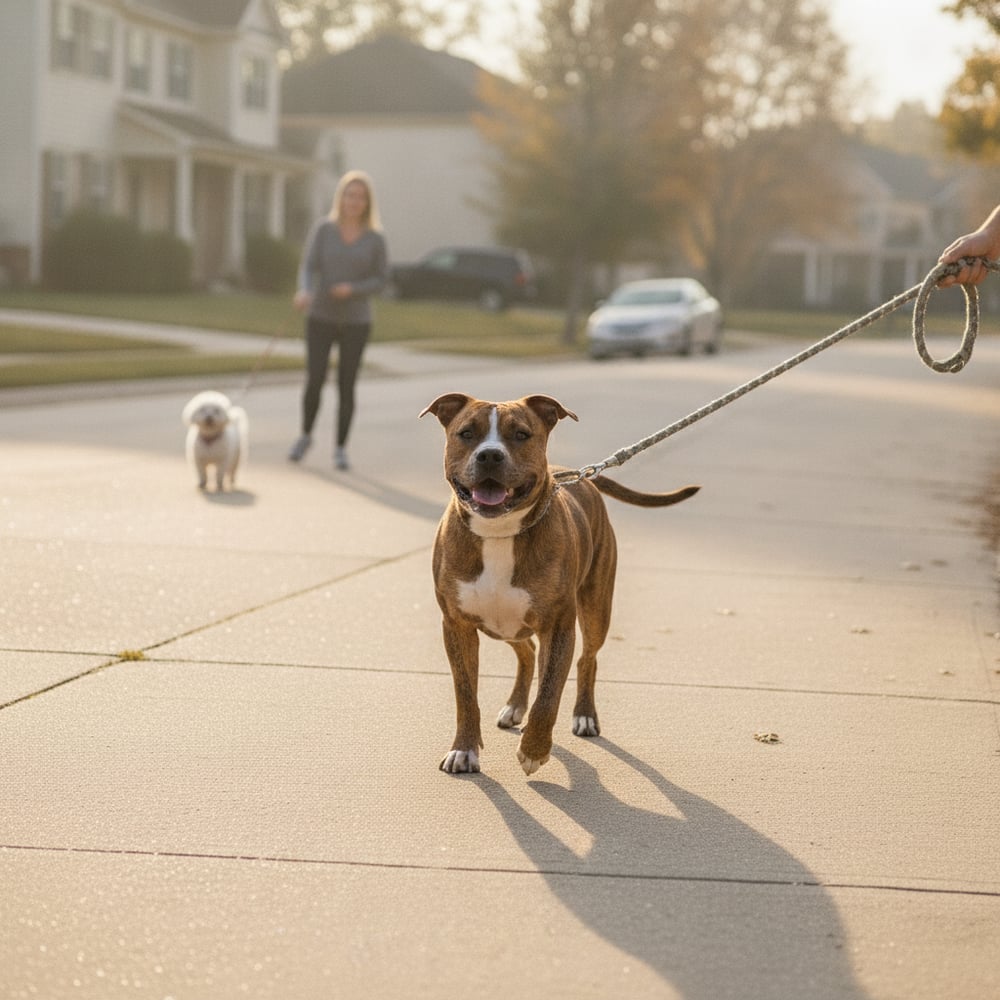
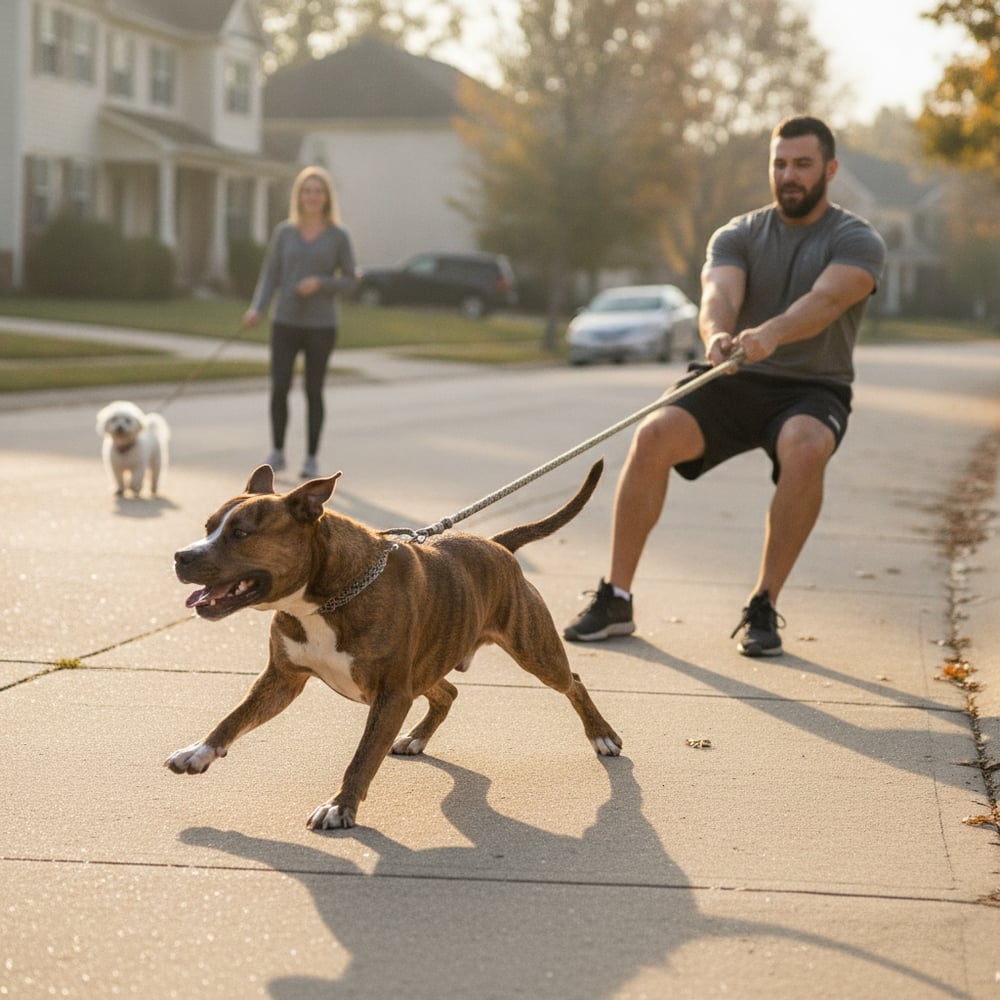
Illustrative comparison. Your dog's progress depends on their starting point and the training plan.
The goal is a dog who can notice the trigger, disengage, and respond to you before arousal takes over. Management reduces daily rehearsals while training builds that calmer choice.
How Partners works on dog aggression
Aggression is trained the way every behavior is trained here: the Omni-technical method, every level at once, around the dog in front of us.
How progress is tracked on the PD360 scale
Assessment
At school
Home and follow-up
Safety comes first, and here is what that looks like with management in place.
PD360 tracks each behavior from Unknown through Teaching, Reinforcing, Proofing and Maintenance. Your dog's assessment establishes the starting point.
Teaching and Reinforcing happen at school. Proofing happens in the home and follow-up stage, and Maintenance continues at home. The stages can overlap, and your dog's assessment sets the pace.
The goal is a safer, more manageable dog and a plan your household can keep for life. Management stays part of the plan even when behavior improves.
AssessAssessment
Any bite or sudden onset gets a veterinary check first, because pain and medical changes can affect behavior. Then a trainer assesses your dog in person, reads the triggers, bite history and household setup, and scores where this behavior really stands, from Unknown to Maintenance.
TeachAt school
Management comes first: barriers, leashes, separation and visitor rules protect people and animals and stop another rehearsal. Your dog gets conditioning time at a distance where the trigger feels more neutral. Then we teach the behavior we want instead, a check-in and a disengage, and pay it continuously while it is new.
ReinforceAt school
Once your dog knows the behavior, rewards go variable and corrections follow the ladder: a calm verbal No first, then leash, then a collar your dog is conditioned to, only as far as the response asks. Every correction ends in a redirect and a reward. Rewards can be exaggerated. Corrections never are.
ProofHome and follow-up
Proofing happens in the home and follow-up stage: the transition lesson and follow-up lessons first, then Pet Parenting classes and other group settings only when your trainer says it is safe. You and your trainer raise the proofing dials together: distance, duration and distraction, turned back the moment the calm choice breaks.
MaintainHome and follow-up
Aggression is managed for life, not cured. You go home with a written protocol and management plan, and lifetime trainer support at either campus. Maintenance has no finish line.
Equipment corrections come last, stay small and always end in a reward. A calm verbal No may be used even while your dog is still learning. We step to the leash only if that is not enough, and use a training collar your dog is already conditioned to only as far as the response asks. An e-collar starts at the minimum energy level for any subtle response.
Rewards can be exaggerated. Corrections never are.
Rewards can go big
Smallest to biggest. A hard-won right answer gets the party.
Corrections never go big
Lowest level first. Step up only if needed.
Every correction ends in a redirect to a behavior your dog knows, and a reward.
Rewards can be exaggerated. Corrections never are.
Proofing happens in the home and follow-up stage: the transition lesson, follow-up lessons and Pet Parenting classes. It makes the calm choice hold up in the real world. We raise distance, duration and distraction together, and turn a dial back when your dog breaks, so the next win is always close.
Dial up the difficulty to dial in the response. Several dials can move at once.
If your dog breaks, turn a dial back, win a few, and go again.
Tank bit my son's friend last spring. I was devastated and honestly considered rehoming him. The Partners team didn't flinch when I told them the history, they assessed him thoroughly, were completely honest about what was realistic, and did the most incredible work with him. He is a different dog.Sandra L.
Watch
Short walkthroughs from our trainers on the exact techniques we use to work on dog aggression. See how the work actually looks, then choose the path that fits your dog.


Recommended path
Based on how dog aggression typically presents, here is where we would start. Not sure which fits? Take the PD360 assessment for a personalized recommendation.
Who can start. Every dog at our schools must be 20 weeks or older with current vaccinations, and we confirm your dog's records at the assessment. Younger than 20 weeks? Call 480-595-6700 and we will plan the start.
Bite or contact history. For any bite or contact case, the in-person assessment decides the program.
Recommended
Alongside or after camp
Alternative
Alternative
A 21-night board and train that works the trigger daily under a trainer. Most of the time this is where we address aggression, including a single reactive, situational bite, and your assessment confirms the fit.
What is included
Behavior Camp
Most of the time we can address aggression in Behavior Camp. Severe aggression, such as several bites, a bite toward a family member, or aggression the dog starts, points to Transform Camp. Placement depends on the in-person assessment, and some dogs will need a more closely managed plan.
Supporting: The PD360 Assessment is the starting point for aggression. Private Lessons may support transition and handler skills after a safe plan is established. Management remains part of responsible ownership even when behavior improves.
A full-day, one-on-one training and enrichment program for dogs who learn best without the pressure of group play. Each day blends targeted training blocks, calm enrichment and planned rest, and many dogs later bridge to DaySchool once social readiness improves.
What is included
Our most intensive program, 28 nights with senior trainers and an in-home follow-up. The right call for severe cases, especially several bites or aggression the dog starts.
What is included
One-on-one work at our facility or your home, ideal for transferring skills and handling triggers in real environments once a safe plan is in place.
What is included
The process
Our people, our dogs, our campuses
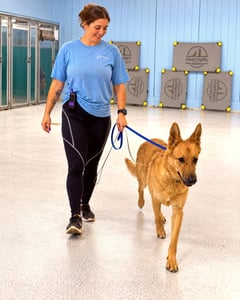
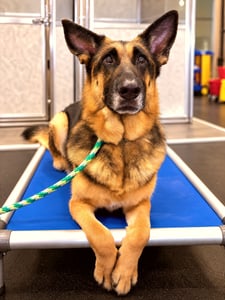
Our team is 30+ professional trainers, plus daycare attendants, boarding staff and support team members.
My two dogs were tearing each other apart. I had to keep them separated in my own house for eight months before calling Partners. They told me exactly what was happening between the dogs, worked with both of them, and helped us build a management plan that actually works. I have my house back.Paul N.

Head Trainer, Scottsdale (Shea)
Hello! My name is Hannah and I am the Head Trainer at Partners Shea/101. I consider myself to be “born and raised” at Partners. I began working here in 2017, first as an Animal Care Tech and Snake Avoidance Handler. Throughout the years, I have instructed Puppy and Me, level 1-3 group classes, as well as trained thousands of dogs ranging from household puppies to behavior modification cases.

Team Success Manager, Scottsdale (Shea)
Hello, my name is Chase! I've been here for 3+ years, but I have been working with dogs for 9+ years doing daycare, animal care, and management. I have always been a dog person, but Partners helped me find my true passion which is training dogs, and people. My goal is to help owners build a better relationship and understanding with their dogs while laying the foundation they need to be successful.

DaySchool Manager, Scottsdale (Shea)
Hi there! My name is Nicole and I am the Daycare Manager and Trainer at Partners Shea/101. I have been working with Partners since 2021 and quickly progressed from a Daycare attendant to a Daycare Manager. I absolutely love seeing our guests learn great habits, play appropriately, and enjoy their time with our team. I am also an Instructor for Puppy & Me, Level 1 Obedience, and assist in our Canine Good Citizen tests.

Boarding Manager, Scottsdale (Shea)
Hi! I'm Emma, the Boarding Manager at our Scottsdale facility. My job is to make sure every overnight guest gets the structure, enrichment, and care that turns boarding into a confidence-building experience , not just a place to stay. Watching a dog walk out happier and better-behaved than when they arrived is what keeps me going every day.

Head Trainer, Cave Creek
Hello! My name is Megan and I have worked at Partners since 2016. I not only manage the day-to-day operations at the Cave Creek location, I also work with most of our behavior modification cases. Even after all of these years, my favorite moment is still the “Ah-Ha” moment between handler and dog, the moment where communication is clear and we truly understand one another.

Boarding & DaySchool Manager, Cave Creek
My name is Monica and I'm the Boarding and Daycare Manager at our Cave Creek location! I've been with Partners since 2021 and previously worked in other daycare and boarding facilities. I teach our Puppy & Me and Zoomer's Agility classes, and absolutely love socialization and confidence building! Teaching is second nature for me, and I'm so grateful I have the opportunity each and every day to utilize my skills!

Team Success Manager, Cave Creek
Hello! My name is Noa, and I am a Team Success Manager at Partners Cave Creek. I have been passionate about dog training for a long time and started with Partners in 2018. I've enjoyed working with puppies, older dogs, and ones with intense behavioral issues. Teaching our team, clients, and dogs have been a massive part of my job. Watching their success has been incredibly rewarding.
Live Reviews
Real reviews from real families across our Scottsdale and Cave Creek campuses.
We have collected 2,000+ reviews across platforms. The stream below shows our published 4 and 5 star reviews.
Wonderful staff who genuinely love our dogs! My GSD gets so excited the moment we pull into the parking lot!
Our dogs LOVE this place. Staff are awesome
Before bringing Zee to Partners Dog School, I was worried about her safety while we were away. But the team's kindness and expertise really put my mind at ease, and I could tell they took great care of her. She looked happy in all the photos they sent! When I asked to keep her an extra day, they were so nice about it. It allowed me to get some home renovation done and study for my midterm. Since she's been home, we've noticed much calmer greetings and reduced barking. We feel confident now. Zee can have more freedom in our home, and that's a great feeling. I love how the trainers took good care of her, and let her explore and warm up at her own place to a new boarding facility.
Excellent experience for our adopted puppy and for me! The staff are amazing, caring, and knowledgeable. Our puppy has learned so many valuable skills, including socialization and walking on a leash, and has become much more confident around other dogs. I’ve also learned a lot about training and how to better support our puppy at home.
We had to go out of town and had absolutely no one to watch our furry friend. I trust the opinions of a few staff members and decided it was time for our girls first boarding session. I knew my dog was going to get absolutely loved on and taken good care of, even without add ons like training sessions or daycare. That she was! I have never seen this girl happier to just exist somewhere other than home or her favorite park. Staff communication was on point, especially at pick up when a kennel worker was explaining she ruined her dog bed, asking if I still wanted to take it home. So sweet. Some other staff could use some training on how to be personable, but over all 10/10 would recommend.
all of the staff are so kind and attentive. Val has been working 1 on 1 with my puppy and she has been amazing my puppy always leaves happy and will be tired all day when she comes home I’ve had to make 2 changes and they were so accommodating and kind about it please if you are looking into this resort for any type of service I highly recommend
Chastity all 3 of my guys. The Huskys the worst. When he comes out of the trailer, man he's Handsome
Lucy and Noa have been so great to work with!
The people nd trainers are 150% awesome. The cost takes a little getting used to but likely worth it.
Sky is always excited to spend days at her favorite dog hotel… she is also happy when we pick her up, all fed and washed. Great place.
We had an great experience with our dog training. The training was professional, patient, knowledgeable, and truly worked with us to get what our dog needed. We especially appreciated the guidance and support in earning our AKC Community Canine (CGCA) and AKC Urban Canine (CGCU) certificates. Every step was clearly explained, and the classes gave plenty of group time with practical tools that helped build our dog’s confidence, manners, and skills in real-world situations. If you are looking for relaxed and patient trainers who genuinely cares about both the dog and the people at the other end of the leash, we recommend them.
The facility and staff are always very friendly and attentive. I love the concept of the dogs being able to play while they are also reinforcing their training! My dog always loves going to daycare and best of all I know he is being taken care of and is having fun with his friends. Thank you, Partners!!!!!
No reviews match your search. Try a different keyword or campus.
Loved working with us? Leave a review
Good to know
Separate the dogs safely first, using a barrier, leash, or a loud noise rather than reaching between them, since redirected bites toward a handler are a real risk during a conflict. Keep them apart, arrange a veterinary check for any wounds, and avoid another unsupervised rehearsal until you have an in-person assessment and a management plan in place.
Rehoming is sometimes the right call, and sometimes it is the call owners reach for too early because no one has given them a clear plan. Before you make a decision either way, get a proper assessment. We have worked with hundreds of families who came to Partners Dogs convinced their dog was a lost cause and walked out of the PD360 Assessment with a real path forward.
Honest indicators that rehoming may genuinely be the right answer:
Do not rehome until you have heard an honest second opinion from someone qualified to give one. We will not sugarcoat what your dog needs, and we will not pressure you to enroll in a program if your situation is not workable.
Dog aggression is a severe behavior, so it always starts with an in-person assessment before program placement. Most of the time we can address it in Behavior Camp, our 21-night immersive board-and-train (see the program page for current pricing). Transform Camp, our most intensive program, is the option for severe aggression, such as several bites, a bite toward a family member, or aggression the dog starts (see the program page for current pricing). Private Lessons transfer skills into real environments once a safe plan is in place. The PD360 Assessment confirms which path fits your dog.
“Cured” is the wrong word. Managed, significantly reduced, and made safe, yes, in most cases. Eliminated entirely so your dog plays at the dog park, sometimes, depending on the case.
What is realistic depends on the answers to a few questions we work through during the PD360 Assessment:
We will be honest with you in the assessment about what is achievable. If your goal is dog parks, we will tell you whether that is realistic for your dog. If your goal is calm walks past other dogs, that bar is much more often hit.
Dog-on-dog aggression rarely has a single cause. The patterns we see most often:
At Partners Dogs every aggression case starts with a PD360 Assessment so we can separate genuine social aggression from frustration, fear, or pain. They need very different treatment plans.
Compare patterns
Dogs with dog aggression often show these patterns too. Explore the behaviors below. We treat them all.
From the Partners Dogs blog
Read more about what works, the warning signs of escalation, and keeping everyone safe at home.
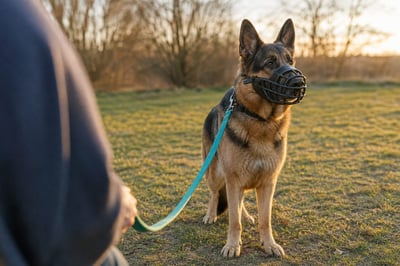
Dog aggression training in Scottsdale starts with a PD360 Assessment, then Behavior Camp or Transform Camp: a 12 to 16 ...
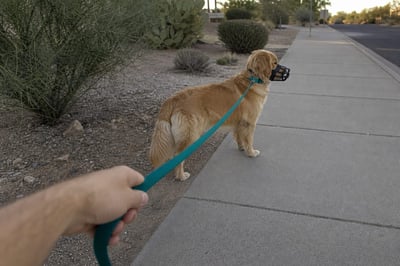
Signs your dog's aggression is getting worse: shrinking warning distance, vanishing growls, more triggers, and slower ...
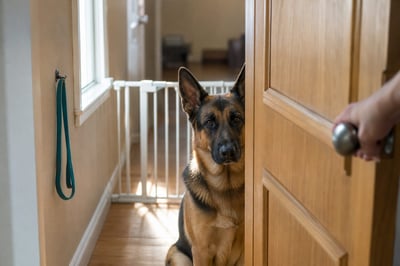
Managing an aggressive dog at home while you wait for camp: map doors, build a rotation schedule, start muzzle ...
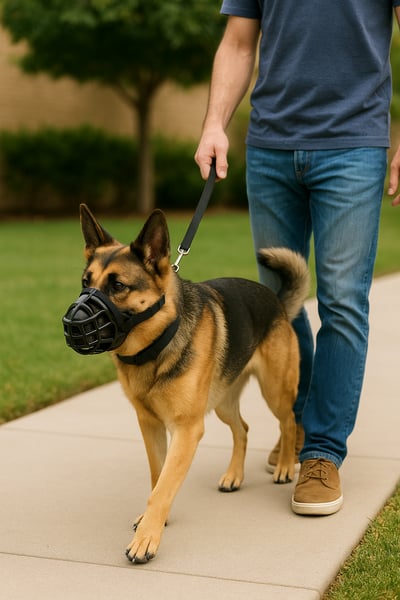
Muzzle training at home for dogs works when it predicts good things, not punishment. A Cave Creek protocol for bite ...