
Transform Camp
Our most intensive immersive board-and-train, built for severe behavior cases that need the deepest rehabilitation.
Essential
PD360 AssessmentYour dog's personalized starting point Dog BoardingOvernight stays with trained care Snake AvoidanceRattlesnake safety training GroomingLow-stress bath, brush-out & nailsFoundational
Foundation Camp14-night basics + manners DaySchoolDaily training + structured enrichment Private Lessons1-on-1 coaching for you + your dog Group ClassesWeekly skills in a social settingCurriculum
Grade-Level Curriculum8 grades from Pre-School Puppy to Dogtorate Training JourneyWhat progress looks like, week by week Our MethodologyHow we train and why it lastsDog Behavior Solutions
Behavior severity
SevereCommon signs
Seek help now
Moderate-Severe is a starting point for planning, not a diagnosis. Keep the dogs securely separated and arrange veterinary care plus an in-person assessment before reintroduction.
Understanding the behavior
Sibling aggression is conflict between dogs in the same household, whether biologically related or not. Resources, social maturity, pain, redirected arousal, household change, incompatible play, and repeated fights can all contribute. The dynamic involves both dogs and the environment.
Secure separation is the first step after a serious fight. Use closed doors, crates when appropriate, gates with backups, separate feeding, and planned rotations. Do not force reunions or let the dogs work it out. Each dog should receive a veterinary check, especially when the aggression began suddenly.
Severe cases receive an in-person assessment before program placement. Some pairs can rebuild safer coexistence. Others need permanent management or separate homes. Prognosis depends on injuries, fight pattern, triggers, size difference, household capacity, and follow-through.
Partners Dogs has trained Arizona dogs through every kind of sibling aggression case since 1997, at our Scottsdale and Cave Creek facilities. Lifetime trainer support is included with every board-and-train program.
The transformation
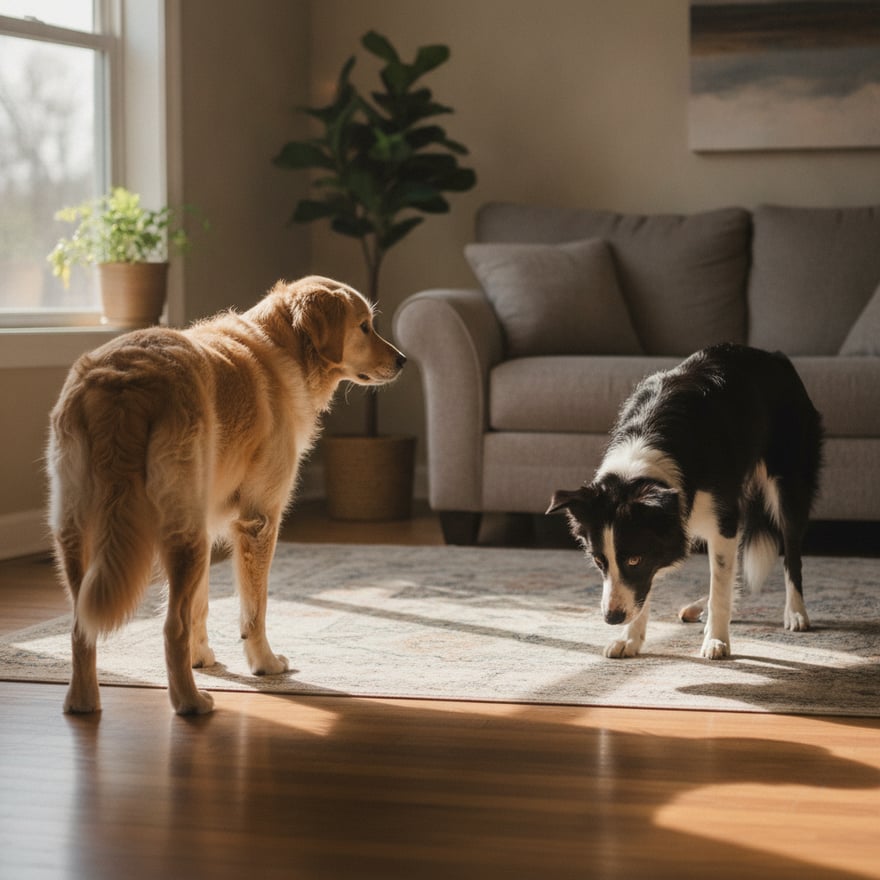
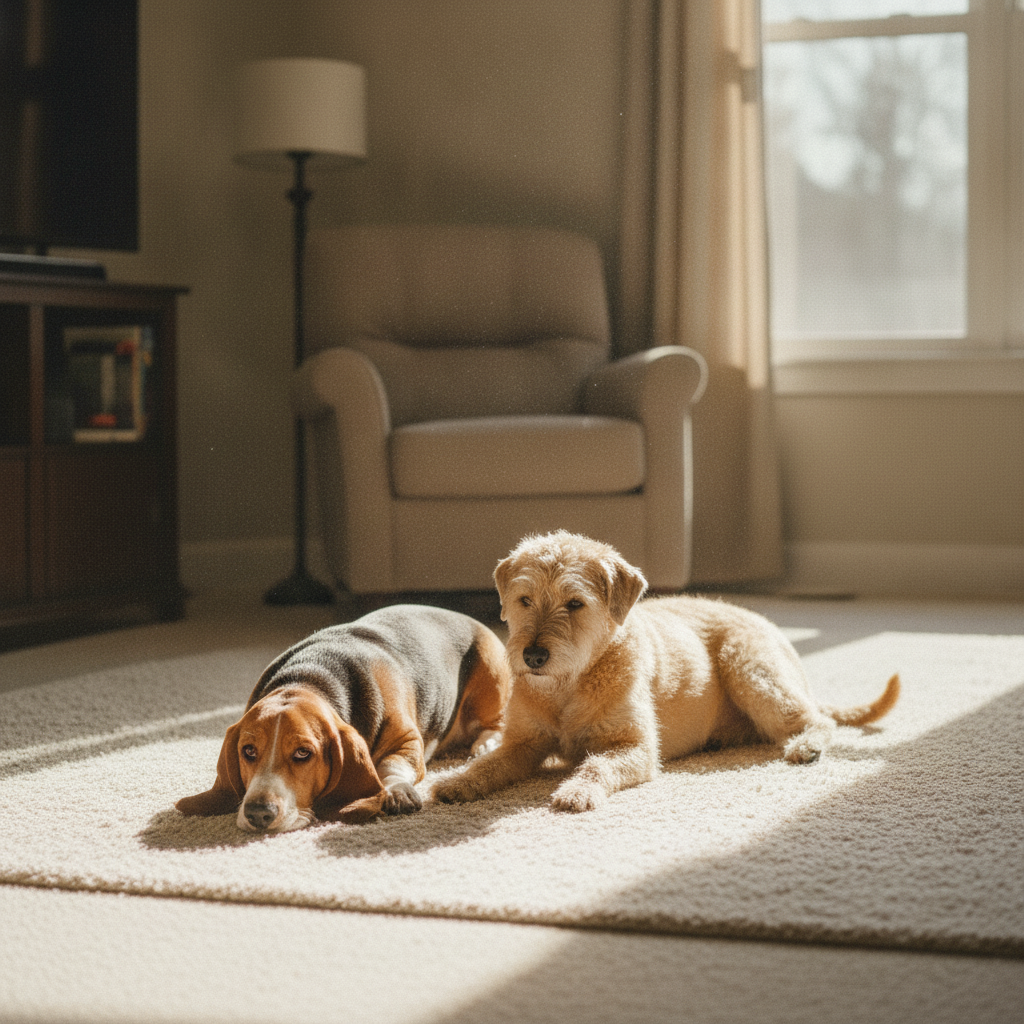
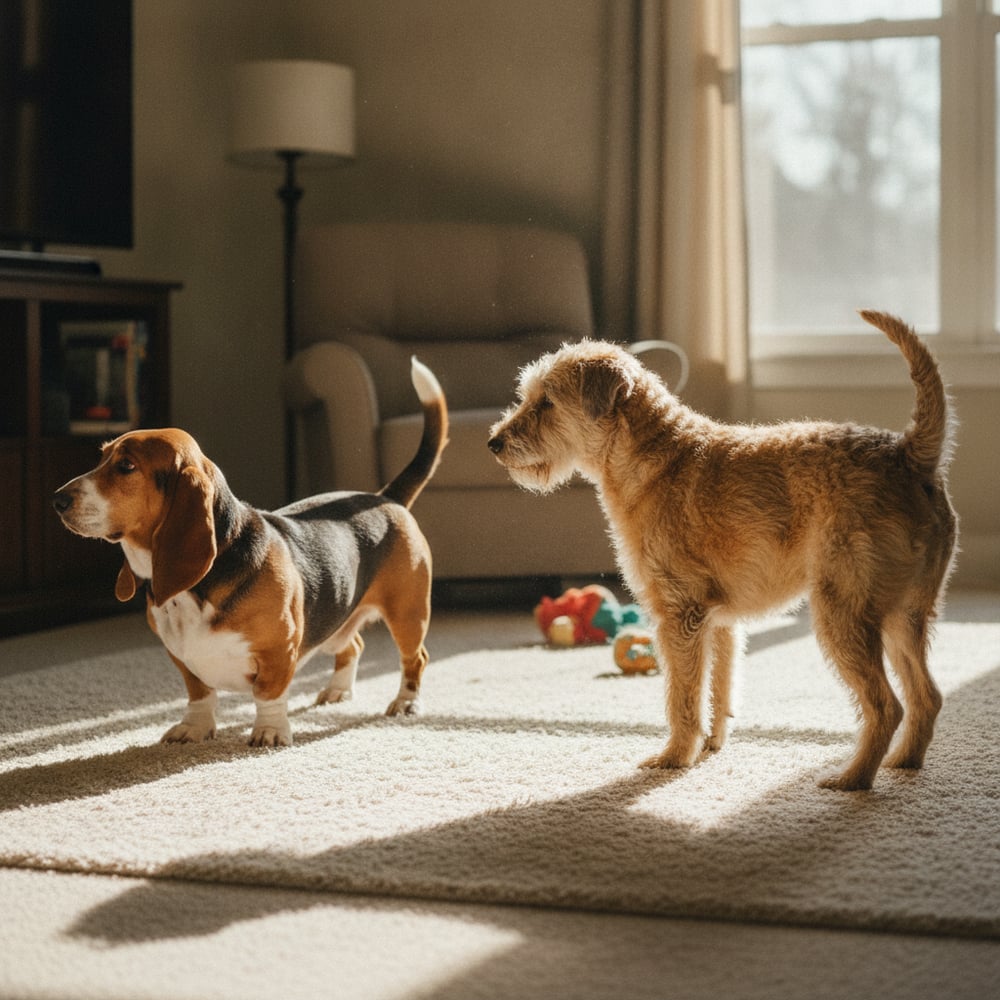
Drag the slider to see the change our programs make for a dog with sibling aggression. Same dog, same home, real outcome.
Watch
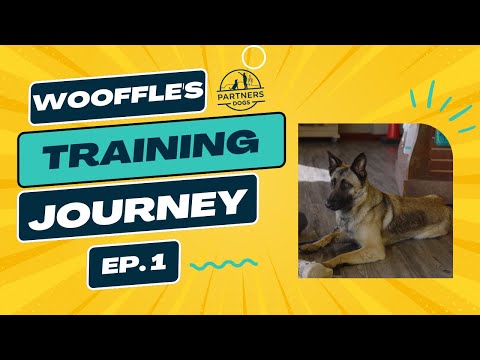
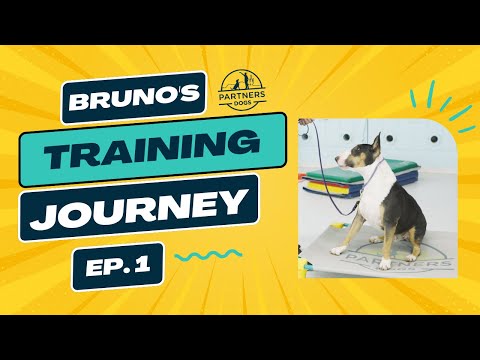
Short walkthroughs from our trainers on the exact techniques we use to resolve sibling aggression. See how the work actually looks, then choose the path that fits your dog.

Recommended path · Severe severity
Based on how sibling aggression typically presents, here is where we would start. Not sure which fits? Take the PD360 assessment for a personalized recommendation.
Our most intensive immersive board-and-train, built for severe behavior cases that need the deepest rehabilitation.
One-on-one work at our facility or your home, ideal for transferring skills and handling triggers in real environments.
The process
Not sure which program
Take our quick PD360 assessment for a personalized recommendation, or talk to a trainer who has seen sibling aggression many times before.
“"My two dogs had coexisted for three years and then one day everything changed. We'd had four serious fights in six weeks. I was gate-managing my own house and crying every night. The Partners team assessed both dogs, was honest about what we were dealing with, and put together a plan that addressed the dynamic between them. Eight months later, they can share space under our management. I still can't believe the change."”
“"We got two puppies at the same time, the littermate thing, and we had no idea what we were creating. By the time they were eighteen months old, they were having serious fights. Both went through programs at Partners. The team gave us a clear picture of what was happening between them and the tools to manage and rebuild the relationship. It took real work and patience, but we have both dogs and they can be together within the plan."”
Good to know
Not necessarily, but sometimes, yes. The honest answer depends on the case.
Indicators that the dogs can live together with proper work:
Indicators that rehoming may be the right call:
At Partners Dogs we will assess honestly and tell you what is realistic. We have helped many families keep both dogs successfully. We have also been the people who told a family their best path forward was rehoming. We do not pressure either way. Your dogs' safety drives the recommendation.
There is a real pattern here, but it is a risk factor, not a guarantee in either direction.
If you are adding a second dog, sex pairing is one factor worth weighing among several, alongside energy level, age gap, and temperament fit.
Sibling aggression with any bite history typically calls for Transform Camp, our most intensive 28-day immersive board-and-train ($8,929, discounted with membership), sometimes for one dog and sometimes for both depending on the case. A $199 PD360 Assessment, credited toward enrollment in your recommended camp or membership (not toward à la carte bookings or general reservations), determines exactly which dogs need to be enrolled and what the reintroduction plan looks like.
Sibling aggression is one of the most stressful patterns a family can face. The drivers we see most often:
Critical: never let dogs “work it out.” Each fight makes the next more likely. If blood has been drawn, this is a Transform Camp case at Partners Dogs and we will work with one or both dogs depending on the PD360 Assessment.
Often, yes, but the path back is structured and gradual, not “let them work it out” a second time.
After a serious fight, this process is best done with a professional guiding it. At Partners Dogs this is Transform Camp territory, and we will tell you honestly whether full reintegration is realistic for your specific dogs.
Conflict between household dogs at feeding time is common and needs the same immediate management as guarding from a person: complete separation at meals, no shared bowls, and picking up food only once every dog has left the area. The dogs may also need individually tailored work, since one guarding dog can put every dog in the home at risk.
Dogs with sibling aggression often show these patterns too. Explore the behaviors below. We treat them all.
Keep learning
Practical reading from our trainers on behavior, everyday manners, and life with a dog in Arizona.
Is the PD360 Assessment worth the fee? See what the full day includes, when the fee becomes store credit, and how ...
The AVSAB humane training position says only reward-based methods should be used for dog training and aversive tools ...
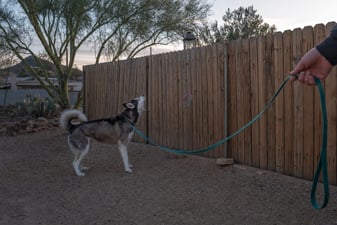
Scottsdale barking ordinance Sec. 4-17(C) explained: complaint steps, fines, HOA pet rules, and how to fix barking. ...

In-home puppy training vs puppy class: see how Pre-School Puppy near Carefree and Cave Creek compares on scheduling, ...
Ready for the next step
Every dog and household is different. Get a real conversation with a Partners Dogs trainer who has treated sibling aggression for more than 28 years. We help you sort out what to try first and what can wait.