
Behavior Camp
A 4 to 6 week immersive behavior-modification program, the best fit for moderate behavior issues.
Essential
PD360 AssessmentYour dog's personalized starting point Dog BoardingOvernight stays with trained care Snake AvoidanceRattlesnake safety training GroomingLow-stress bath, brush-out & nailsFoundational
Foundation Camp14-night basics + manners DaySchoolDaily training + structured enrichment Private Lessons1-on-1 coaching for you + your dog Group ClassesWeekly skills in a social settingCurriculum
Grade-Level Curriculum8 grades from Pre-School Puppy to Dogtorate Training JourneyWhat progress looks like, week by week Our MethodologyHow we train and why it lastsDog Behavior Solutions
Behavior severity
ModerateCommon signs
Seek help now
Moderate is a starting point for planning, not a diagnosis. Severe panic or self-injury calls for an in-person assessment and veterinary coordination before travel practice.
Understanding the behavior
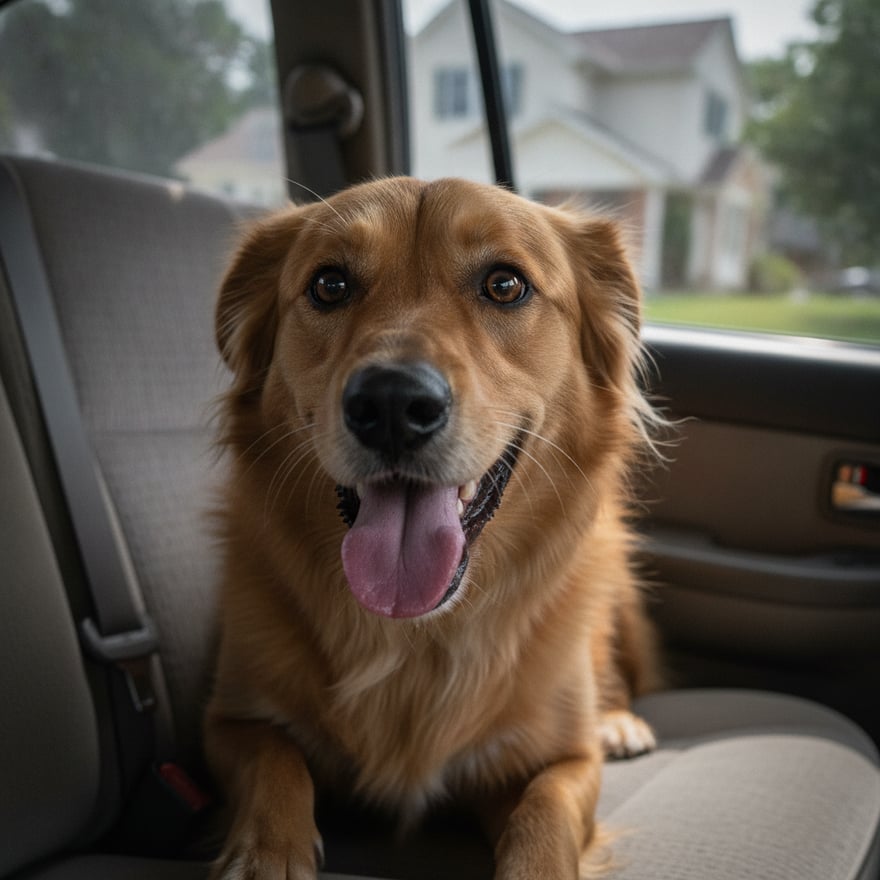
Car anxiety can come from fear, motion sickness, painful movement, a bad travel experience, or an association between the car and stressful destinations. Those causes can look alike from the driver's seat, so the first step is understanding what happens before, during, and after the ride.
Training may begin with looking at the parked car, approaching it, or resting inside with the engine off. Short, tolerable steps prevent repeated panic and help the dog form a different prediction about travel. Safe restraint and a comfortable setup matter as much as behavior practice.
A veterinarian should rule out nausea, pain, or another medical contributor, especially when vomiting, heavy drooling, balance changes, or sudden onset is present. Medication may support a training plan when prescribed by the dog's veterinarian. Many dogs become more comfortable with gradual work, but results and pace vary.
Partners Dogs has trained Arizona dogs through every kind of car anxiety case since 1997, at our Scottsdale and Cave Creek facilities. Lifetime trainer support is included with every board-and-train program.
The transformation
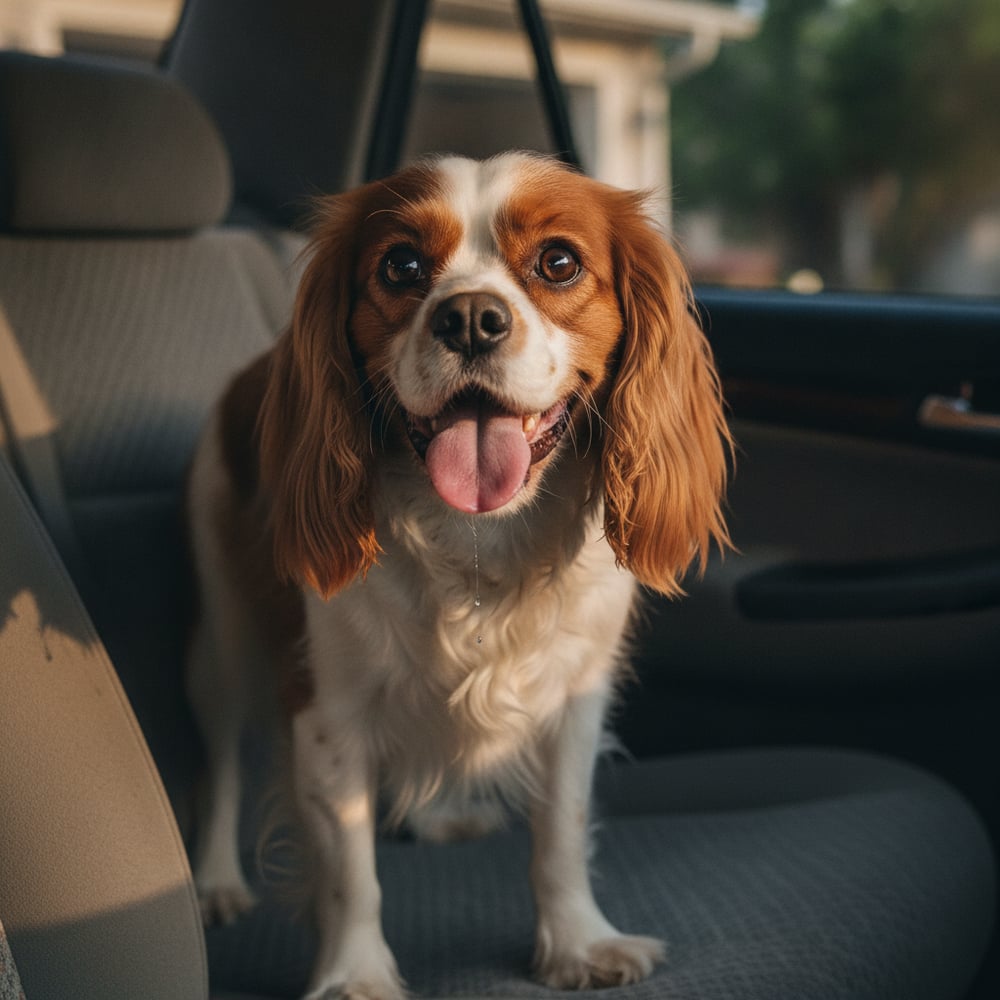
Drag the slider to see the change our programs make for a dog with car anxiety. Same dog, same home, real outcome.

Recommended path · Moderate severity
Based on how car anxiety typically presents, here is where we would start. Not sure which fits? Take the PD360 assessment for a personalized recommendation.
A 4 to 6 week immersive behavior-modification program, the best fit for moderate behavior issues.
One-on-one sessions to address specific triggers and transfer trainer skills to you.
The process
Not sure which program
Take our quick PD360 assessment for a personalized recommendation, or talk to a trainer who has seen car anxiety many times before.
“"I hadn't taken my dog to the dog park in two years because every car ride ended with vomit and a traumatized dog. I thought it was just motion sickness until Partners explained how the fear and nausea had gotten tangled together. The private lessons built it up slowly and kept her below the old level of distress. Now she loads herself into the car. I literally couldn't believe it the first time she did it."”
“"My dog needed to be carried to the car for every vet visit. She's 65 pounds. This was not sustainable and also incredibly stressful for her. The combination of private sessions with Partners and anti-nausea medication from my vet was exactly the right approach. She walks to the car on her own now and settles in the back seat. I wish I'd known this could improve years ago."”
Good to know
Fear and motion sickness can look alike from the driver's seat, both show as drooling, panting, or refusing to get in, so the difference matters for the plan. Vomiting, restlessness once the car is moving, or slow recovery point toward motion sickness or another medical cause and need a veterinary visit before training addresses the fear side.
Car anxiety is a moderate-severity behavior, so we usually start with Behavior Camp, our 21-day immersive board-and-train ($6,244, discounted with membership), with Private Lessons as the alternative for dogs who mainly need desensitization work at your car. The $199 PD360 Assessment, credited toward enrollment in your recommended camp or membership (not toward à la carte bookings or general reservations), rules out a medical cause first.
Car anxiety training moves in small, deliberate steps, starting with the parked car and building toward short drives, so progress is measured in weeks rather than days. Most dogs improve steadily through Behavior Camp's 21 days, though dogs with a long history of panic or a medical contributor may need a longer, more gradual timeline.
The protocol for a dog who genuinely hates the car:
Most car-anxious dogs improve significantly in 4-6 weeks of consistent work. Severe cases benefit from Behavior Camp where we can do the work in a controlled environment.
Car anxiety comes from a mix of three things, usually:
Signs include panting, drooling, whining, vomiting, refusing to load, or shaking through the entire ride. At Partners Dogs we treat car anxiety through Behavior Camp paired with private lessons, using systematic desensitization to rebuild positive car associations.
Dogs with car anxiety often show these patterns too. Explore the behaviors below. We treat them all.
Keep learning
Practical reading from our trainers on behavior, everyday manners, and life with a dog in Arizona.
Is the PD360 Assessment worth the fee? See what the full day includes, when the fee becomes store credit, and how ...
The AVSAB humane training position says only reward-based methods should be used for dog training and aversive tools ...
Scottsdale barking ordinance Sec. 4-17(C) explained: complaint steps, fines, HOA pet rules, and how to fix barking. ...

In-home puppy training vs puppy class: see how Pre-School Puppy near Carefree and Cave Creek compares on scheduling, ...
Ready for the next step
Every dog and household is different. Get a real conversation with a Partners Dogs trainer who has treated car anxiety for more than 28 years. We hear out what is happening at home and point you to the most useful next step.