
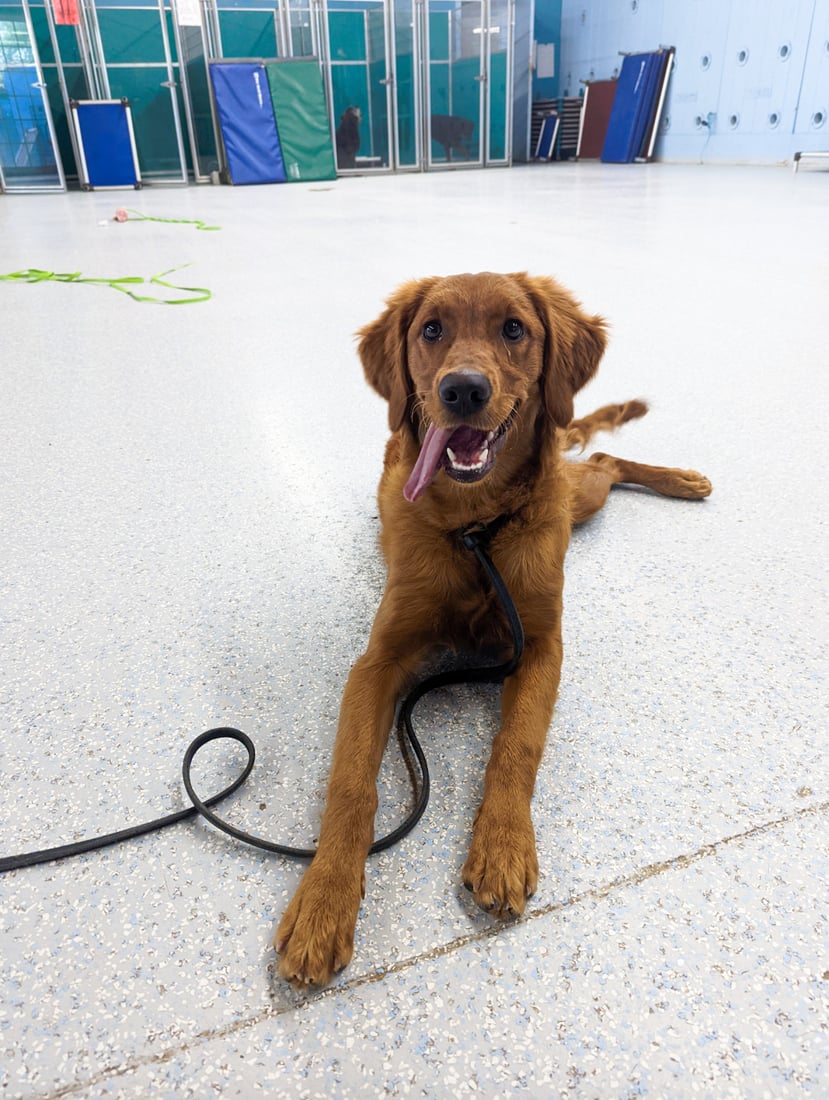
Transform Camp
Our most intensive immersive board-and-train, built for severe behavior cases that need the deepest rehabilitation.
Essential
PD360 AssessmentYour dog's personalized starting point Dog BoardingOvernight stays with trained care Snake AvoidanceRattlesnake safety training GroomingLow-stress bath, brush-out & nailsFoundational
Foundation Camp14-night basics + manners DaySchoolDaily training + structured enrichment Private Lessons1-on-1 coaching for you + your dog Group ClassesWeekly skills in a social settingCurriculum
Grade-Level Curriculum8 grades from Pre-School Puppy to Dogtorate Training JourneyWhat progress looks like, week by week Our MethodologyHow we train and why it lastsDog Behavior Solutions
Behavior severity
SevereCommon signs
Seek help now
Severe is a starting point for planning, not a diagnosis. Any bite history requires an in-person assessment and a safety plan before group work of any kind.
Understanding the behavior
Fear aggression happens when a frightened dog cannot escape a trigger and goes on the offensive instead. It can look identical to territorial or dominance-driven aggression from the outside, growling, snapping, biting, but the motivation is different: the dog is trying to make something scary go away, not defend status or resources. Getting the motivation right changes the entire training plan.
Common triggers include strangers, unfamiliar dogs, sudden movement, handling, or specific past experiences the dog associates with danger. Distance and body language matter more here than in most other cases: a fear-aggressive dog often gives warning signs, stiffening, whale eye, freezing, before escalating, and reading those signs correctly is how a trainer keeps everyone safe while building a plan.
These cases receive an in-person assessment before any program placement. Many dogs improve significantly with structured desensitization and counter-conditioning at a safe distance from triggers, built up gradually over weeks. We are honest about prognosis and what a realistic outcome looks like for your specific dog.
Partners Dogs has trained Arizona dogs through every kind of fear aggression case since 1997, at our Scottsdale and Cave Creek facilities. Lifetime trainer support is included with every board-and-train program.
Recommended path · Severe severity
Based on how fear aggression typically presents, here is where we would start. Not sure which fits? Take the PD360 assessment for a personalized recommendation.
Our most intensive immersive board-and-train, built for severe behavior cases that need the deepest rehabilitation.
One-on-one work at our facility or your home, ideal for transferring skills and handling triggers in real environments.
The process
Not sure which program
Take our quick PD360 assessment for a personalized recommendation, or talk to a trainer who has seen fear aggression many times before.
Good to know
Fear aggression typically responds to Transform Camp, our most intensive 28-night board-and-train ($8,929, discounted with membership), for cases with a bite history, or Behavior Camp (21 nights, $6,244) for less severe, more situational cases. Both are followed by Private Lessons to transfer the work into your specific home and triggers. A $199 PD360 Assessment is required first for any bite-history case, and its cost is credited toward enrollment in your recommended camp or membership (not toward à la carte bookings or general reservations).
Many fear-aggressive dogs improve significantly with a structured plan: desensitization and counter-conditioning at a safe distance from triggers, built up gradually over weeks. We do not promise a full personality change for every dog, some will always need careful management around specific triggers, but a realistic, honest prognosis and a genuinely safer, calmer dog is achievable in most cases. We give you that prognosis after an in-person assessment, not before.
Common triggers include strangers, particularly ones who approach quickly or lean over the dog, unfamiliar dogs, sudden movement, handling or restraint, and specific situations tied to a past bad experience, a vet visit, a previous altercation, a loud event. Triggers are usually specific rather than random once we watch the dog in person, which is why an in-person assessment matters so much before building a plan.
Most fear-aggressive dogs give warning signs before a bite, stiffening, freezing, whale eye where the whites of the eyes show, lip licking, yawning out of context, or turning the head away from the trigger. These signals often get missed, especially by well-meaning people who lean in closer when a dog looks unsure. Learning to read these early cues and give the dog space is one of the fastest ways to prevent an escalation.
Fear aggression happens when a dog cannot escape something that frightens it and goes on the offensive as a last resort. From the outside, growling, snapping, and biting can look identical whether the cause is fear, resource guarding, or territorial defense, but the underlying motivation is different. A fear-aggressive dog is trying to increase distance from the trigger, not defend a possession or status, and getting that distinction right during assessment is what shapes an effective plan.
Dogs with fear aggression often show these patterns too. Explore the behaviors below. We treat them all.
Keep learning
Practical reading from our trainers on behavior, everyday manners, and life with a dog in Arizona.
Muzzle training at home for dogs works when it predicts good things, not punishment. A Cave Creek protocol for bite ...
Is my dog trainer insured? Here is what liability coverage should include, how to check it, and why solo in-home ...

Resource guarding in dogs: the trade-up protocol, why never to punish the growl, and when to get help. Start with a ...
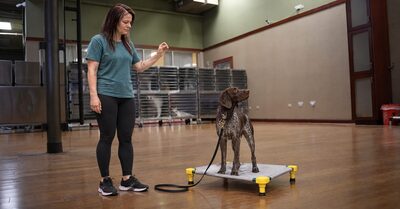
Stop dog jumping on guests: train the place command, run the doorbell protocol, proof the five D's. Private Lessons in ...
Ready for the next step
Every dog and household is different. Get a real conversation with a Partners Dogs trainer who has treated fear aggression for more than 28 years. Take what you learn home and talk it over before you commit to anything.