
Foundation Camp
A 21-day board-and-train that builds solid obedience and manners, the right fit for milder issues.
Essential
PD360 AssessmentYour dog's personalized starting point Dog BoardingOvernight stays with trained care Snake AvoidanceRattlesnake safety training GroomingLow-stress bath, brush-out & nailsFoundational
Foundation Camp14-night basics + manners DaySchoolDaily training + structured enrichment Private Lessons1-on-1 coaching for you + your dog Group ClassesWeekly skills in a social settingCurriculum
Grade-Level Curriculum8 grades from Pre-School Puppy to Dogtorate Training JourneyWhat progress looks like, week by week Our MethodologyHow we train and why it lastsDog Behavior Solutions
Behavior severity
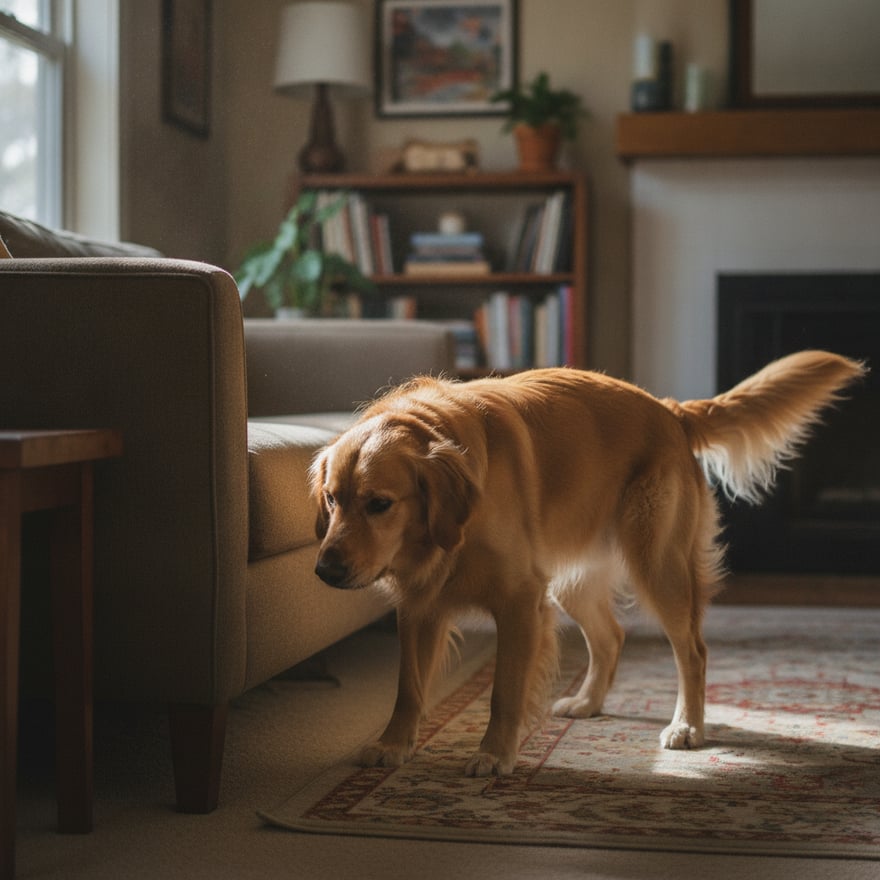
MildCommon signs
Seek help now
Mild is a starting point for planning, not a diagnosis. Urinary difficulty can be an emergency, and sudden onset requires veterinary care before training.
Understanding the behavior
Marking usually involves small amounts of urine placed on vertical objects or socially important locations. New pets, visitors, moves, intact status, residual odor, and stress can contribute. Full bladder emptying, frequent urination, straining, or sudden accidents may indicate a medical or housetraining issue instead.
Sudden house-soiling warrants a veterinary check before it is treated as behavior. Urinary infections, pain, endocrine disease, medication changes, and age-related changes can alter elimination. Once medical causes are addressed, supervision, enzymatic cleaning, access control, and a consistent outdoor schedule help prevent rehearsal.
Many dogs improve with a clear plan, but the pace varies with cause and how long the pattern has been practiced. The goal is reliable indoor freedom earned gradually, not punishment after an accident.
Partners Dogs has trained Arizona dogs through every kind of indoor marking case since 1997, at our Scottsdale and Cave Creek facilities. Lifetime trainer support is included with every board-and-train program.
The transformation
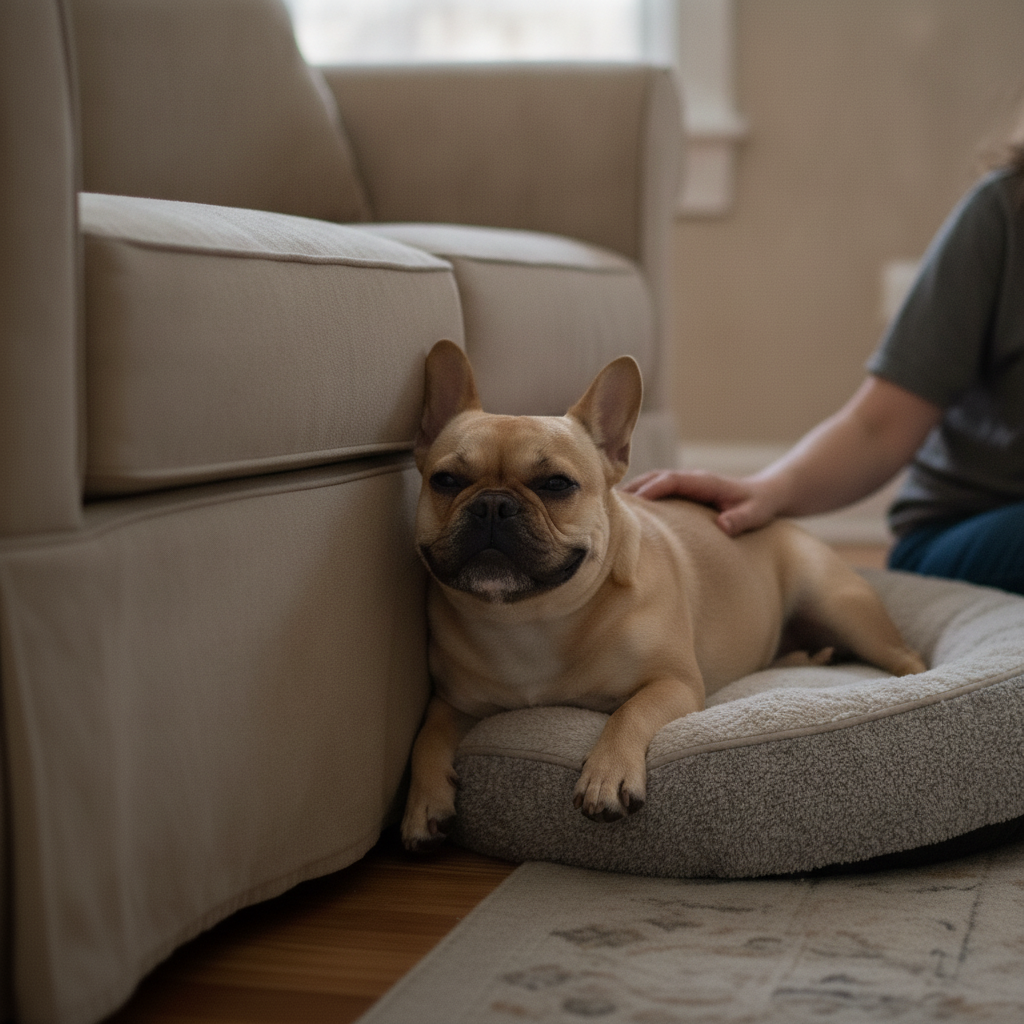
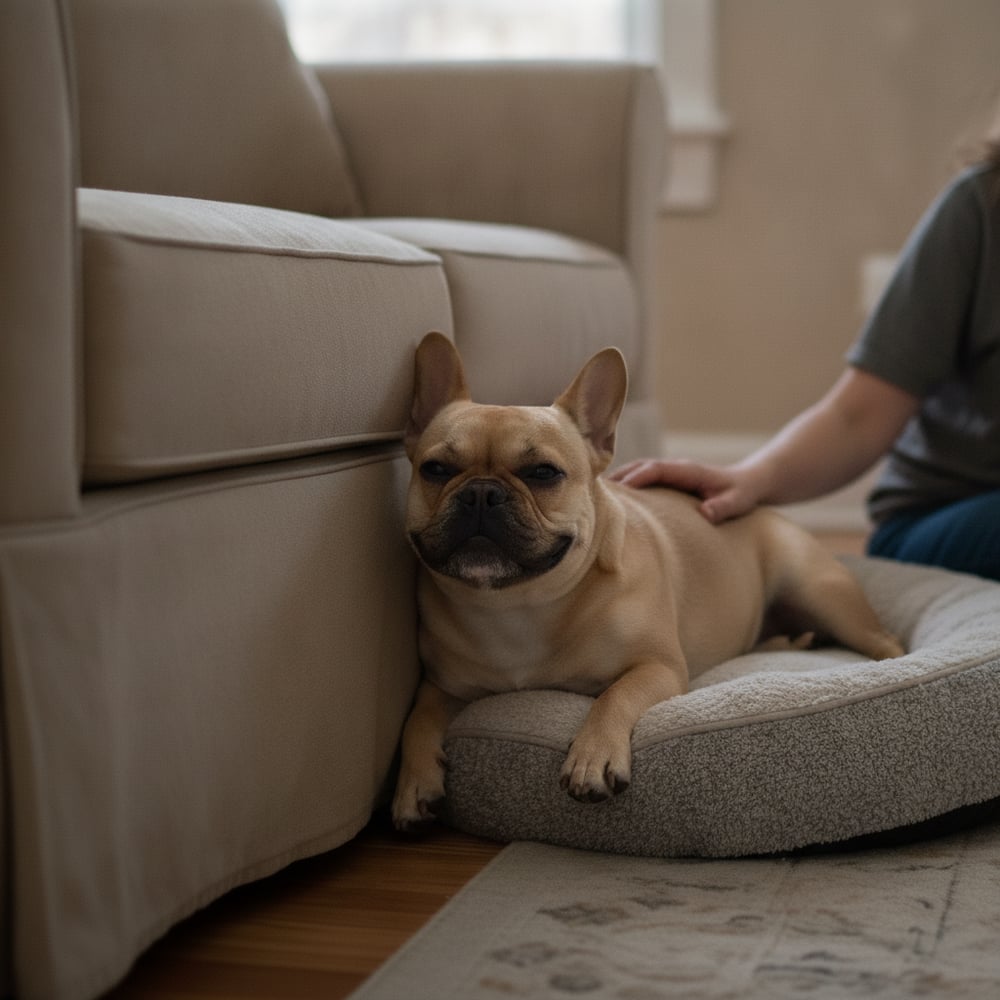
Drag the slider to see the change our programs make for a dog with indoor marking. Same dog, same home, real outcome.

Watch
Short walkthroughs from our trainers on the exact techniques we use to resolve indoor marking. See how the work actually looks, then choose the path that fits your dog.

Recommended path · Mild severity
Based on how indoor marking typically presents, here is where we would start. Not sure which fits? Take the PD360 assessment for a personalized recommendation.
A 21-day board-and-train that builds solid obedience and manners, the right fit for milder issues.
Weekly Pet Parenting classes with our trainers, practice in a structured social environment.
The process
Not sure which program
Take our quick PD360 assessment for a personalized recommendation, or talk to a trainer who has seen indoor marking many times before.
“"We brought home a second dog and our first dog started marking everything, the couch, the guest room door, my husband's gym bag. I thought we'd made a terrible mistake. Partners helped us understand the trigger, gave us a real protocol for the introduction and the territory management, and the marking stopped after consistent work. Both dogs are fine together now."”
“"My rescue started marking right after we moved into our new house. He was housebroken in our old place with zero issues. The Partners team explained that it was adjustment behavior and gave me a clear plan. The enzymatic cleaner protocol plus the training approach they recommended made the difference. He hasn't marked indoors in months."”
Good to know
No. A housetraining failure usually means a full bladder empties somewhere indoors because the dog was not taken out in time or never learned the routine. Marking is typically a small amount of urine placed on a vertical object or socially significant spot, often tied to a new pet, visitors, a move, or intact status, and it can happen in a dog who is otherwise reliably housetrained.
Indoor marking typically responds to Foundation Camp, our 14-day board-and-train that builds obedience and a reliable outdoor routine ($3,509, discounted with membership), or weekly Group Classes for ongoing reinforcement. A $199 PD360 Assessment, credited toward enrollment in your recommended camp or membership (not toward à la carte bookings or general reservations), helps rule out medical causes before you commit to a program.
Indoor marking is typically mild severity, so most dogs improve within the 14-day Foundation Camp or a few consistent weeks of supervision and enzymatic cleaning at home. The pace depends on how long the pattern has been practiced and whether a new pet, move, or intact status is still an active trigger.
Once a veterinary check has ruled out a medical cause, the fix combines supervision so marking cannot be rehearsed unnoticed, enzymatic cleaning so old scent does not pull your dog back to the same spot, tighter access to previously marked rooms, and a consistent outdoor schedule that gives plenty of legal opportunities to eliminate first.
If your dog is housetrained but lifting their leg on furniture, walls, or vertical surfaces, that is marking, not a housetraining failure. They are different behaviors with different drivers.
Marking is usually driven by:
Treatment is usually a combination of medical (rule out infection, consider neutering), management (block access to favored spots), and behavior work. Foundation Camp at Partners Dogs handles most indoor marking cases.
A previously housetrained dog who starts having accidents needs a medical workup first, behavior assessment second. Common causes:
Do not punish a previously reliable dog who suddenly has accidents. Figure out the cause first.
Dogs with indoor marking often show these patterns too. Explore the behaviors below. We treat them all.
Keep learning
Practical reading from our trainers on behavior, everyday manners, and life with a dog in Arizona.
Is the PD360 Assessment worth the fee? See what the full day includes, when the fee becomes store credit, and how ...
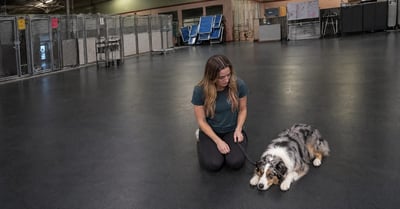
The AVSAB humane training position says only reward-based methods should be used for dog training and aversive tools ...
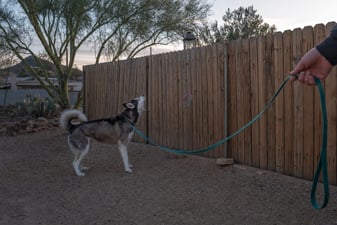
Scottsdale barking ordinance Sec. 4-17(C) explained: complaint steps, fines, HOA pet rules, and how to fix barking. ...

In-home puppy training vs puppy class: see how Pre-School Puppy near Carefree and Cave Creek compares on scheduling, ...
Ready for the next step
Every dog and household is different. Get a real conversation with a Partners Dogs trainer who has treated indoor marking for more than 28 years. We outline your options so you can make the call that is right for your family.