
Transform Camp
Our most intensive immersive board-and-train, built for severe behavior cases that need the deepest rehabilitation.
Essential
PD360 AssessmentYour dog's personalized starting point Dog BoardingOvernight stays with trained care Snake AvoidanceRattlesnake safety training GroomingLow-stress bath, brush-out & nailsFoundational
Foundation Camp14-night basics + manners DaySchoolDaily training + structured enrichment Private Lessons1-on-1 coaching for you + your dog Group ClassesWeekly skills in a social settingCurriculum
Grade-Level Curriculum8 grades from Pre-School Puppy to Dogtorate Training JourneyWhat progress looks like, week by week Our MethodologyHow we train and why it lastsDog Behavior Solutions

Behavior severity
SevereSeek help now if your dog has escaped near roads, escapes with signs of panic when left alone, or is hurting themselves trying to get out. Keep your dog supervised and contained until you have a plan.
Understanding the behavior
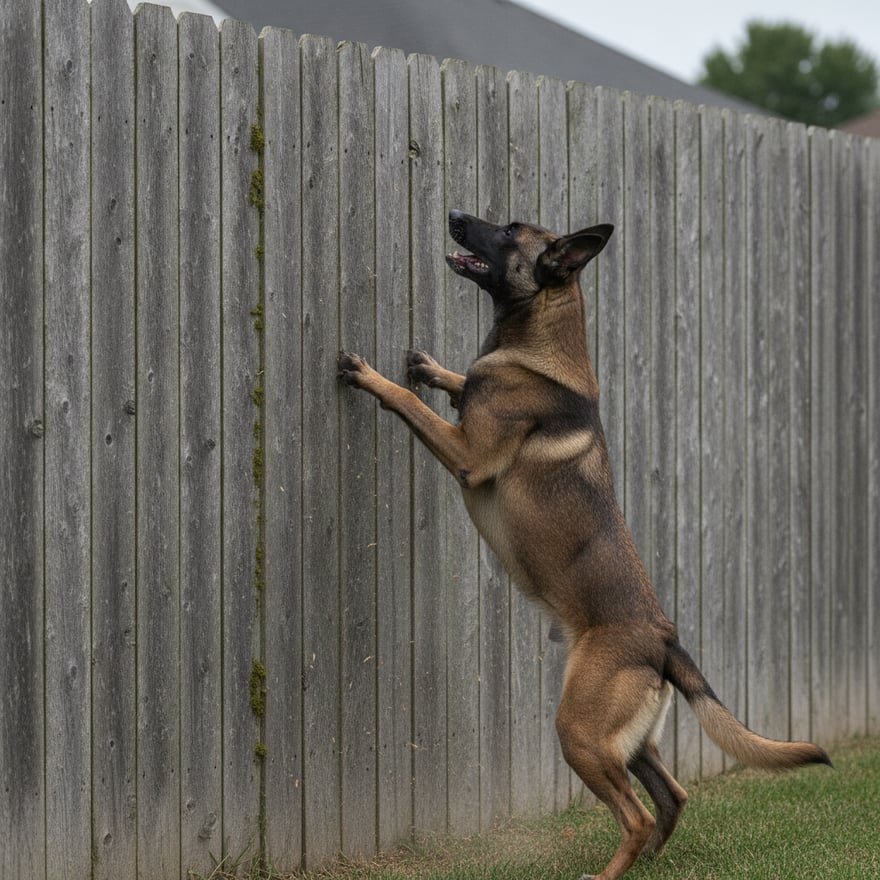
A dog who escapes the yard is in real danger, and so is every evening you spend checking the gate. Escaping is usually driven by boredom, under exercise, anxiety, prey drive, or the pull to reach dogs and people nearby. Some dogs jump or climb fences, others dig under them or bolt through gates and doors.
Containment comes first. Secure the fence and gates, supervise yard time rather than leaving your dog out alone, and manage the doors your dog uses to bolt. While the yard is made safe, we work out what is driving the escapes and address it directly, then build the recall, settle, and boundary skills that keep your dog choosing to stay.
Because the safety stakes are high, escape cases receive an in-person assessment. Many dogs become reliable with training and better management, and for some, secure containment and supervision remain a permanent part of the plan. Escapes that come with panic when alone can point to separation anxiety and deserve a closer look.
Partners Dogs has trained Arizona dogs through every kind of escaping and fence jumping case since 1997, at our Scottsdale and Cave Creek facilities. Lifetime trainer support is included with every board-and-train program.
The transformation
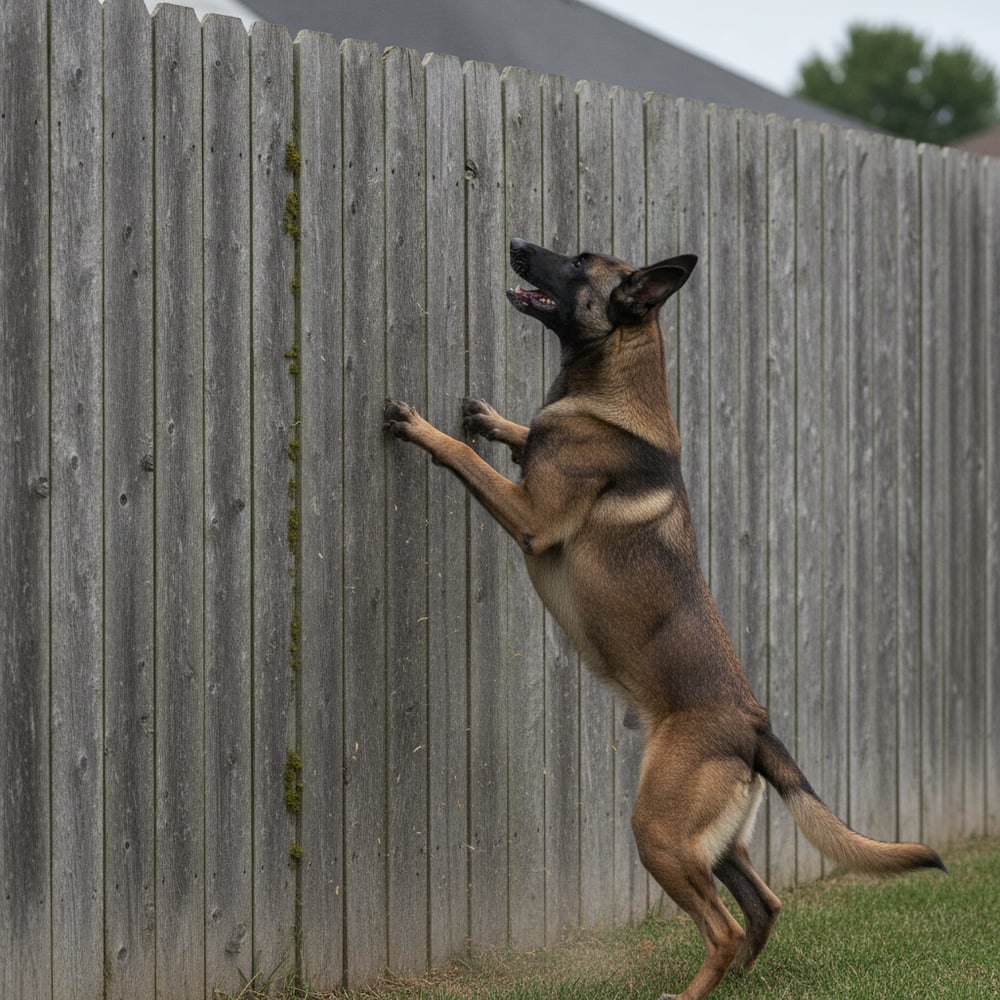
Drag the slider to see the change our programs make for a dog with escaping and fence jumping. Same dog, same home, real outcome.

Recommended path · Severe severity
Based on how escaping and fence jumping typically presents, here is where we would start. Not sure which fits? Take the PD360 assessment for a personalized recommendation.
Our most intensive immersive board-and-train, built for severe behavior cases that need the deepest rehabilitation.
One-on-one work at our facility or your home, ideal for transferring skills and handling triggers in real environments.
The process
Not sure which program
Take our quick PD360 assessment for a personalized recommendation, or talk to a trainer who has seen escaping and fence jumping many times before.
Good to know
Escapes that come with visible panic when your dog is left alone, such as pacing, drooling, or destruction near the exit, can point to separation anxiety rather than simple boredom or fence-testing. That distinction matters because separation anxiety needs a plan built around being alone as well as a stronger fence, so it deserves a closer look.
Because escaping carries real safety risk, we typically recommend Transform Camp, our most intensive immersive board-and-train ($8,929, discounted with membership), built for cases needing the deepest rehabilitation. Private Lessons are the alternative for real-environment recall and boundary work. The $199 PD360 Assessment is required before program placement and credits toward enrollment in a recommended camp or membership, not toward à la carte bookings or general reservations.
Escaping is a severe-severity issue because of the safety stakes, so it starts with an in-person assessment before a training plan begins. Many dogs become reliable with training and better containment through Transform Camp's 4-week program, and for some dogs, secure fencing and supervision remain a permanent part of the plan even after training.
Containment comes first: secure the fence and gates, supervise yard time instead of leaving your dog out alone, and manage the doors your dog uses to bolt. While the yard is made safe, training addresses what is actually driving the escapes and builds the recall, settle, and boundary skills that keep your dog choosing to stay.
Escaping is usually driven by boredom, under-exercise, anxiety, prey drive, or the pull to reach dogs and people nearby. Some dogs jump or climb fences, others dig under them, and some simply bolt through gates and doors the moment they are open, so the fence-jumper and the door-bolter need different fixes even though the outcome looks the same.
Dogs with escaping and fence jumping often show these patterns too. Explore the behaviors below. We treat them all.
Keep learning
Practical reading from our trainers on behavior, everyday manners, and life with a dog in Arizona.
The 3-3-3 rule dog adoption guide: what decompression gets right, where the timeline breaks, and the upgrade, read the ...
Is the PD360 Assessment worth the fee? See what the full day includes, when the fee becomes store credit, and how ...
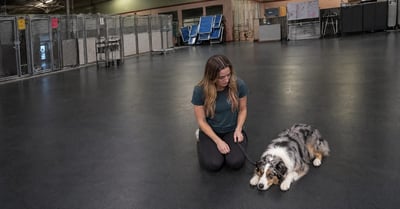
The AVSAB humane training position says only reward-based methods should be used for dog training and aversive tools ...
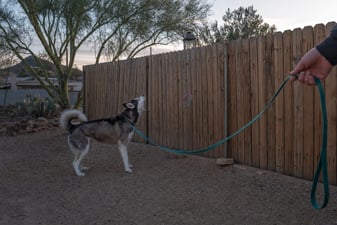
Scottsdale barking ordinance Sec. 4-17(C) explained: complaint steps, fines, HOA pet rules, and how to fix barking. ...
Ready for the next step
Every dog and household is different. Get a real conversation with a Partners Dogs trainer who has treated escaping and fence jumping for more than 28 years. You leave the call with practical steps you can start at your own pace.